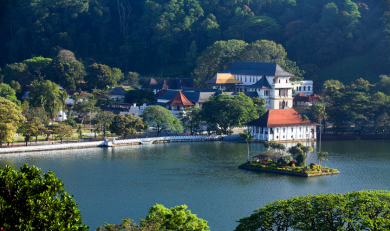
Living in Sri Lanka means adapting to a country shaped by deep tradition, strong community ties, and a pace of life that often runs on patience rather than urgency. Sri Lanka is visually striking and culturally rich, but daily life for expats is not defined by scenery alone. It is shaped by hierarchy, relationships, and systems that function slowly, personally, and with significant regional variation.
This guide is designed to help you understand Sri Lanka as a place to live, not just a place to visit. Whether you are relocating for work, lifestyle, remote income, or long-term residence, settling well in Sri Lanka requires flexibility, cultural sensitivity, and realistic expectations about infrastructure and bureaucracy.
Understanding Daily Life in Sri Lanka
Daily life in Sri Lanka is relationship-driven and community-oriented. Family, neighbors, and social networks play a central role in how things get done. Formal systems exist, but personal connection often determines speed and outcome. This can feel confusing for expats used to rule-based processes, but it becomes more navigable with time and familiarity.
Life moves more slowly than in many countries. Appointments may start late, responses may take time, and plans can change with little notice. This is rarely seen as disrespectful; it reflects a cultural acceptance of flexibility and circumstance. Impatience or visible frustration often backfires, while calm persistence tends to open doors.
Hierarchy matters. Age, professional status, and social role influence interactions, especially in workplaces and government offices. Respectful behavior, polite language, and deference are important, even when they feel unnecessary. Public confrontation is generally avoided, and maintaining social harmony is prioritized over efficiency.
Despite economic and political challenges in recent years, daily life remains resilient. Sri Lankans are accustomed to adapting, and this resilience shapes how communities function under pressure.
Visas, Residency, and Legal Stay
Sri Lanka’s visa system is relatively accessible in theory, but it can be inconsistent in practice. Many expats initially enter on tourist visas, which can be extended for limited periods. Long-term stay options include work visas, residence visas, and investor or retirement-related arrangements, though criteria and enforcement can change.
Working legally requires the correct visa status and local approval. Informal work exists, particularly in tourism or education, but it carries legal risk. Regulations are not always clearly communicated, and relying on assumptions or outdated information can cause problems.
Residency processes are often slow and paperwork-heavy. Documents may need multiple copies, stamps, and in-person visits. Timelines are rarely fixed, and follow-up is usually required. Engaging local assistance or legal support can reduce friction, though outcomes still depend on patience.
Sri Lanka is not an easy country for permanent immigration. Many expats live on renewable visas and accept a degree of uncertainty as part of long-term residence.
Housing and Living Arrangements
Housing options in Sri Lanka range widely in quality and price. Expats typically rent houses or apartments, with furnished rentals common, especially in coastal areas and major cities like Colombo.
Rental standards vary significantly. Some properties are modern and well-maintained, while others may have issues with water pressure, electricity reliability, or general upkeep. Viewing properties carefully and asking detailed questions is essential.
Leases are often flexible, and negotiation is common. Contracts may be informal, so clarity around rent, utilities, maintenance, and notice periods is important. Landlords are usually approachable, but expectations around repairs and timelines may differ from what expats are used to.
Location has a major impact on daily life. Traffic congestion in Colombo can be severe, while coastal or hill-country living offers quieter environments but fewer services. Proximity to healthcare, reliable internet, and transportation should be prioritized over aesthetics alone.
Sri Lanka can be affordable by international standards, but costs fluctuate and have increased in recent years. Local food, transportation, and services remain relatively inexpensive, while imported goods, alcohol, and international-standard housing can be costly.
Utilities may be less reliable than expats expect, and backup solutions such as generators or water tanks are common in higher-end housing. Internet quality varies by provider and location, and having a backup mobile data option is advisable.
Banking is functional but bureaucratic. Opening accounts can be slow, and foreign currency regulations may apply. Many expats rely on international accounts or digital banking solutions alongside local services.
Budgeting should account for variability. Prices, availability, and infrastructure reliability can change, particularly during periods of economic stress.
Healthcare and Medical Care
Healthcare in Sri Lanka includes both public and private options. Public hospitals are affordable but often overcrowded and better suited for emergencies than routine care for expats.
Private hospitals and clinics offer higher standards of comfort and shorter wait times, particularly in Colombo and other major cities. Many doctors are well-trained and English-speaking, especially in the private sector.
Health insurance is strongly recommended. While routine care can be affordable out of pocket, serious illness or specialized treatment can become expensive or require travel abroad.
Access to medication is generally good, though specific brands or specialized drugs may not always be available. Clear communication and record-keeping are important when managing ongoing health conditions.
Work Culture and Professional Life
Work culture in Sri Lanka is hierarchical and relationship-based. Decision-making often flows from the top, and initiative is typically expected within defined boundaries. Open disagreement with superiors is uncommon and usually handled indirectly.
Communication tends to be polite and non-confrontational. Saying “yes” may signal acknowledgment rather than agreement. Understanding context and following up gently is often necessary.
Working hours vary by sector. Some industries maintain long hours, while others operate at a slower pace. Salaries are generally modest by international standards, which leads many expats to work remotely or rely on foreign income.
Professional success often depends on trust and reputation rather than speed or assertiveness. Expats who adapt to this style tend to experience smoother working relationships.
Language and Communication
Sinhala and Tamil are the primary local languages, while English is widely used in education, business, and government. Most expats can function using English, particularly in urban and professional environments.
However, English proficiency varies, especially outside cities. Clear, simple communication is more effective than complex phrasing. Tone and politeness matter as much as content.
Indirect communication is common. People may avoid saying “no” directly, especially if doing so could cause embarrassment or conflict. Reading between the lines and confirming understanding gently is essential.
Learning basic Sinhala or Tamil phrases is appreciated and often improves daily interactions, even if fluency is not achieved.
Transportation and Mobility
Transportation in Sri Lanka can be challenging. Traffic congestion is significant in urban areas, and driving standards are inconsistent. Many expats choose not to drive themselves.
Taxis, tuk-tuks, and ride-hailing apps are widely used and affordable. Public transport exists but can be crowded and unpredictable, especially buses and trains during peak times.
Travel between regions can take longer than expected due to road conditions and traffic. Planning with generous time buffers reduces stress.
Culture, Etiquette, and Social Norms
Sri Lankan culture places high value on respect, modesty, and social harmony. Elders and authority figures are treated with deference, and public behavior is generally restrained.
Religion plays a visible role in daily life. Buddhism, Hinduism, Islam, and Christianity coexist, and religious observances influence routines, holidays, and social expectations. Respect for religious sites and customs is important.
Dress codes are modest, particularly in rural areas and religious settings. Public displays of anger or confrontation are discouraged and can cause loss of trust.
Hospitality is genuine, and social warmth is often expressed through food, conversation, and quiet generosity rather than overt familiarity.
Safety and Everyday Reality
Sri Lanka is generally safe in terms of violent crime, and expats often feel secure in daily life. Petty theft exists, particularly in tourist areas, but serious incidents are uncommon.
Political and economic instability can affect daily life indirectly through shortages, protests, or service disruptions. Staying informed and flexible helps mitigate impact.
Climate and weather are significant factors. Heat, humidity, and monsoon seasons affect energy levels, travel, and routines. Adapting daily habits to climate conditions is essential for comfort.
Building a Long-Term Life in Sri Lanka
Living well in Sri Lanka requires patience more than efficiency. Systems work, but slowly and personally. Expats who expect predictability and speed may struggle, while those who accept variability often find the experience deeply rewarding.
Social integration happens through consistency and respect rather than enthusiasm. Relationships develop over time, and trust is built through behavior rather than promises.
Sri Lanka offers a lifestyle rich in culture, nature, and community, but it also requires resilience and adaptability. Long-term residents learn to balance enjoyment with realism.
Final Thoughts
Living in Sri Lanka is not about convenience or control. It is about learning to move within a culture that values harmony, patience, and human connection over speed and certainty.
For expats willing to adjust expectations, respect hierarchy, and embrace a slower rhythm, Sri Lanka offers warmth, depth, and a way of life that feels grounded and meaningful. This guide provides the foundation—but living well here comes from observation, humility, and the willingness to adapt to a place that operates on its own terms.