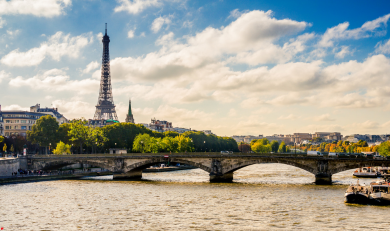
Living in France means adapting to a country where daily life is shaped by systems, social codes, and a strong belief that quality of life is something to be protected, not optimized away. France is often idealized for its culture, food, and elegance—and those elements matter—but long-term living here is defined just as much by administration, formality, and an expectation that residents learn how things are done. For expats, France can feel demanding at first, then deeply rewarding once its logic becomes familiar.
This guide is designed to help you understand France as a place to live, not just a place to admire or consume. Whether you are relocating for work, family, study, or long-term residence, settling well in France depends on understanding how everyday life actually functions beneath the surface.
Understanding Daily Life in France
Daily life in France is structured, deliberate, and rule-oriented, but not necessarily rushed. Time is respected, schedules matter, and procedures are followed. At the same time, there is a cultural resistance to urgency for its own sake. Efficiency is valued, but not at the expense of balance, dignity, or social norms.
Social interaction is polite and formal at first. Greetings matter, titles matter, and manners are not optional. Saying hello when entering a shop or office is expected, and failing to do so can be perceived as rude. Once these formalities are observed, interactions often become warmer and more cooperative.
French society places a clear boundary between public and private life. Professional relationships are professional, and personal lives are guarded. Friendship develops slowly and intentionally, often through repeated interaction rather than instant familiarity.
Debate and opinion are part of everyday culture. Expressing a viewpoint is normal, but it is expected to be reasoned and articulated. Emotion without structure is less persuasive than logic with conviction.
Residency, Visas, and Bureaucracy
France’s administrative system is comprehensive, detailed, and procedural. Residency options exist through employment, study, family reunification, self-employment, retirement, and EU freedom of movement.
Applications involve extensive documentation, official forms, proof of income and housing, and multiple interactions with government offices. Processes can be slow, and timelines are often opaque. Persistence and organization are essential.
Registering correctly with local authorities underpins access to healthcare, banking, taxation, and social services. Missing a step can create cascading delays, making attention to detail critical.
Permanent residency and citizenship are attainable after long-term legal residence, language proficiency, and integration. France rewards compliance and continuity rather than shortcuts.
Housing and Where You Live
Housing in France varies widely by region, city, and building age. Expats commonly rent apartments, often unfurnished, with leases that emphasize stability.
Rental contracts are formal, and tenant protections are strong. Deposits are standard, and landlords often require extensive documentation, including proof of income and guarantors.
Housing quality varies. Older buildings may have charm but limited insulation, while newer developments focus on efficiency and regulation compliance. Soundproofing, heating systems, and storage space differ significantly.
Location strongly affects quality of life. Proximity to public transport, schools, healthcare, and daily services often matters more than size or style. Urban living prioritizes walkability and routine over space.
Cost of Living and Financial Reality
France has a moderate to high cost of living, depending on region. Major cities are expensive, while smaller towns and rural areas offer more affordability.
Groceries and local products are reasonably priced, and quality is high. Dining out varies from affordable neighborhood options to expensive restaurants. Eating well is culturally important and integrated into daily life rather than treated as a luxury.
Salaries are moderate by international standards, but social benefits offset income levels. Taxes are high, but they fund healthcare, education, transport, and social security.
Understanding net income is essential. Social contributions significantly affect take-home pay, but they also provide long-term security.
Healthcare and Social Security
France has one of the most comprehensive healthcare systems in the world. Once registered, residents have access to a broad network of doctors, hospitals, and specialists.
Healthcare is based on a reimbursement system. Patients often pay upfront and are reimbursed partially or fully through public insurance and supplemental coverage.
Quality of care is high, and access is generally good, though wait times exist for certain specialists. Preventative care is emphasized, and continuity with primary care doctors is common.
France’s broader social security system is extensive, covering unemployment, illness, disability, family benefits, and pensions. This safety net shapes daily life and long-term planning.
Work Culture and Professional Life
French work culture is formal, structured, and intellectually oriented. Hierarchies exist, and titles and qualifications matter.
Communication at work is direct but formal. Debate is encouraged, but respect for roles and processes is expected. Meetings can be thorough and sometimes theoretical, with an emphasis on reasoning rather than speed.
Work-life balance is legally protected. Working hours are regulated, vacation time is generous, and personal time is respected. Overwork is not widely celebrated.
Professional credibility comes from competence, education, and clarity of thought rather than charisma or informality.
Language and Communication
French is essential for long-term living in France. While some English is spoken in international environments, daily life—including administration, healthcare, and local services—operates in French.
Communication style is structured and precise. Tone matters, and politeness is expressed through form rather than warmth. Directness is acceptable when framed correctly.
Learning French significantly improves daily interactions and integration. Making the effort is expected, and reluctance to do so can limit opportunities and relationships.
Language proficiency often marks the transition from outsider to participant in daily life.
Transportation and Mobility
France has an excellent transportation network. Trains, metro systems, buses, and trams are widely used and reliable.
Intercity rail connects the country efficiently, making regional travel easy. Public transport is often faster and more practical than driving in urban areas.
Car ownership exists but is less essential in cities. Parking regulations are strict, and driving culture emphasizes rule compliance.
Cycling and walking are increasingly supported, especially in urban centers.
Climate and Seasonal Living
France’s climate varies by region, from temperate in the north to Mediterranean in the south. Seasonal change shapes routines and social life.
Summers encourage outdoor living, while winters bring more structured routines. Seasonal rhythms are respected rather than resisted.
Weather affects housing needs, clothing, and transportation planning, but extremes are relatively rare.
Culture, Values, and Social Norms
French culture values intellectual engagement, personal autonomy, and quality of life. Leisure is protected, and enjoyment is considered a legitimate part of adulthood.
Privacy is respected. People are polite but not intrusive, and friendships develop slowly. Once formed, relationships tend to be stable and enduring.
Food, conversation, and shared time are central to social life. Meals are social rituals rather than functional breaks.
Civic responsibility is strong. Rules are followed because they are seen as part of collective life rather than individual inconvenience.
Safety and Everyday Reality
France is generally safe, with low levels of violent crime. Urban areas require awareness, particularly regarding petty theft, but daily life feels secure.
Infrastructure is reliable, utilities function consistently, and emergency services are effective.
Public demonstrations occur periodically and are part of political culture. They can disrupt transport but are usually peaceful and localized.
Social Life and Integration
Social integration in France takes time. Politeness does not equal friendship, and emotional openness comes later.
Many social connections form through work, schools, children’s activities, or long-standing networks rather than spontaneous interaction.
The expat community is visible in major cities and provides early social access. Long-term satisfaction often comes from combining expat networks with local integration.
Consistency, language effort, and respect for norms are key to building lasting relationships.
Regional Differences and Lifestyle Choice
France offers diverse lifestyles within one country. Urban centers provide culture and opportunity, while smaller towns offer calm, affordability, and community.
Regional identity is strong. Food, customs, and pace vary significantly between areas. Choosing where to live shapes daily experience more than expats often expect.
Understanding regional character helps manage expectations and improves integration.
Building a Long-Term Life in France
Living well in France requires patience, organization, and acceptance of formality. Systems work, but they expect participation and compliance.
Expats who thrive are those who learn the language, respect administrative processes, and adapt to cultural codes. Those who resist formality or expect flexibility may struggle.
Over time, routines settle, bureaucracy becomes manageable, and daily life feels structured and secure.
France often reveals its rewards gradually rather than immediately.
Final Thoughts
Living in France is about balance—between structure and pleasure, formality and warmth, individual life and collective systems. It offers culture, security, and a deeply protected quality of life, but it demands engagement and respect in return.
For expats willing to learn the language, navigate bureaucracy patiently, and adapt to social codes, France provides one of the most complete and sustainable living environments in the world. This guide provides the framework—but living well here comes from understanding that in France, form matters, systems endure, and belonging grows through participation rather than convenience.