Expats Guide for Peru

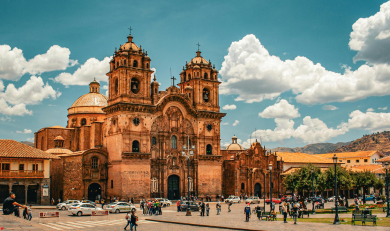
Living in Peru means adapting to a country where history, geography, and social hierarchy shape everyday life in quiet but persistent ways. Peru is often associated with culture, cuisine, and dramatic landscapes, but long-term living here is defined less by spectacle and more by relationships, patience, and regional variation. For expats, the experience can be […]
Expats Guide for Panama

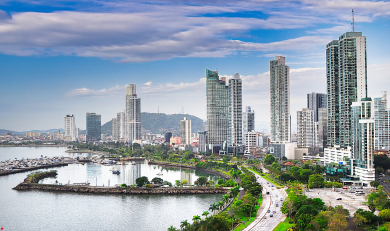
Living in Panama means settling into a country that is outwardly modern and globally connected, yet internally shaped by relationships, hierarchy, and a slower institutional rhythm. Panama is often marketed as an easy place to relocate—financially open, strategically located, and familiar to foreigners—but long-term life here depends on understanding how systems really function beyond the […]

Expats Guide for Oman

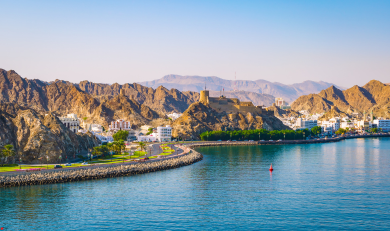
Living in Oman means adapting to a country where tradition, restraint, and quiet order shape daily life. Oman is often overlooked in favor of its more high-profile neighbors, yet for expats it offers something rare in the region: stability without intensity, modern infrastructure without excess, and cultural conservatism balanced by genuine hospitality. Life here is […]

Expats Guide for Norway

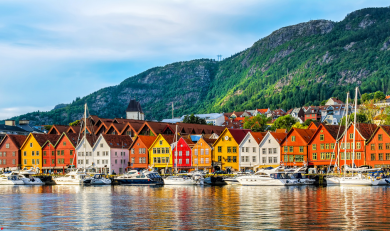
Living in Norway means adapting to a society built on trust, structure, and a strong belief in collective responsibility. Norway is often admired for its wealth, safety, and natural beauty, but long-term life here is shaped less by scenery and more by systems, social norms, and an understated way of interacting with the world. For […]

Expats Guide for New Zealand

Living in New Zealand means settling into a society that prizes balance, fairness, and closeness to nature over speed or spectacle. New Zealand is often imagined as relaxed and easygoing—and in many ways it is—but long-term life here is shaped by distance, high living costs, and a culture that quietly expects self-reliance. For expats, the […]

Expats Guide for Netherland

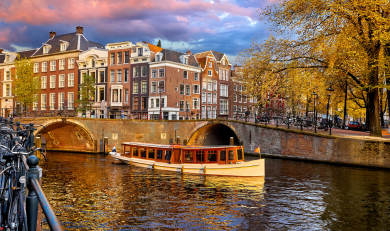
Living in Netherlands means adapting to a society that values structure, directness, and practicality above almost everything else. The Netherlands is often described as easy for expats—and in many ways it is—but daily life here is shaped by strong systems, social rules that are subtly enforced, and a cultural preference for clarity over comfort. For […]

Expats Guide for Morocco

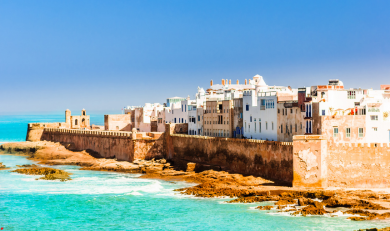
Living in Morocco means learning to navigate a country where tradition, adaptability, and personal relationships shape nearly every aspect of daily life. Morocco is often described as colorful, vibrant, and welcoming—and it is—but long-term living here is defined less by aesthetics and more by patience, hierarchy, and an ability to operate within informal systems. For […]

Expats Guide for Mexico

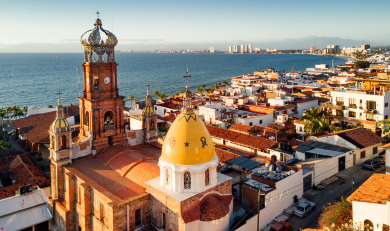
Living in Mexico means adapting to a country where warmth, hierarchy, and flexibility coexist with modern infrastructure and deep regional diversity. Mexico is often portrayed as either chaotic or carefree, but long-term life here is far more nuanced. Daily living is shaped by relationships, class dynamics, and an unspoken understanding that systems function—but rarely in […]

Expats Guide for Malta

Living in Malta means adjusting to a place where scale, proximity, and visibility shape nearly every aspect of daily life. Malta is often marketed as relaxed, sunny, and convenient—and it is—but long-term living here is defined less by climate and more by density, relationships, and the realities of life on a small island. For expats, […]

Expats Guide for Malaysia

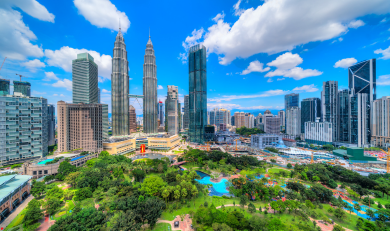
Living in Malaysia means settling into a place where comfort, diversity, and practicality coexist with hierarchy, bureaucracy, and strong cultural boundaries. Malaysia often feels easy on the surface—English is widely spoken, infrastructure is solid, and daily life is affordable—but long-term living here is shaped by unwritten rules, administrative complexity, and a society that values harmony […]