Expats Guide for Sri Lanka

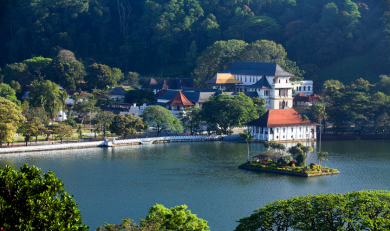
Living in Sri Lanka means adapting to a country shaped by deep tradition, strong community ties, and a pace of life that often runs on patience rather than urgency. Sri Lanka is visually striking and culturally rich, but daily life for expats is not defined by scenery alone. It is shaped by hierarchy, relationships, and […]

Expats Guide for Spain

Living in Spain means adapting to a society where time, relationships, and quality of life are valued more than urgency or efficiency. Spain is often romanticized for its climate, food, and lifestyle, but day-to-day living here is shaped just as much by bureaucracy, regional identity, and deeply ingrained social rhythms. For expats, the transition is […]

Expats Guide for South Africa

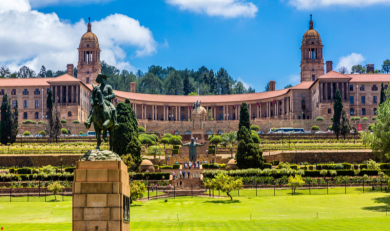
Living in South Africa means adapting to a country defined by contrast, resilience, and complexity. Few places combine extraordinary natural beauty, cultural diversity, and modern infrastructure with such visible inequality and ongoing structural challenges. For expats, South Africa can be deeply rewarding—but it requires awareness, adaptability, and a clear-eyed understanding of daily realities. This guide […]

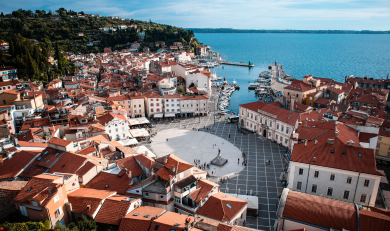
Expats Guide for Slovenia

Living in Slovenia means settling into a small, highly livable country where nature, structure, and daily routine are closely intertwined. Slovenia often surprises expats: it is efficient without being rigid, calm without feeling isolated, and traditional without being closed. Life here rarely feels extreme, and that moderation defines much of the experience. This guide is […]

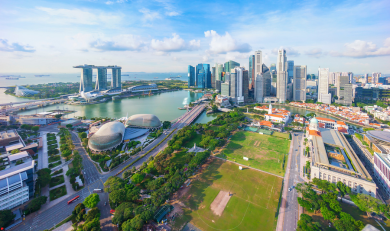
Expats Guide for Singapore

Living in Singapore means adapting to a society built on efficiency, structure, and long-term planning. Singapore is often described as easy, safe, and highly functional—and all of that is true—but daily life here is also shaped by clear rules, social discipline, and high expectations. For expats, the adjustment is rarely chaotic, but it can be […]

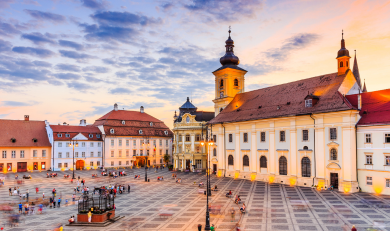
Expats Guide for Romania

Living in Romania means settling into a country where tradition, rapid change, and strong personal relationships exist side by side. Romania often surprises expats: it can feel familiar in its European structure, yet distinctly different in how systems function and how people relate to one another. Daily life here is shaped less by rigid processes […]

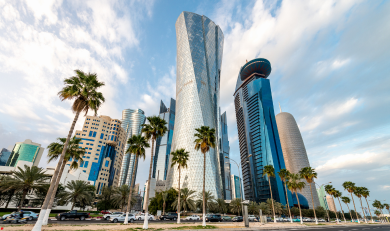
Expats Guide for Qatar

Living in Qatar means adapting to a society where tradition, wealth, and rapid development coexist within clear social and legal boundaries. Qatar is small, highly centralized, and exceptionally well resourced, yet daily life for expats is shaped as much by cultural expectations and law as by modern infrastructure. For many, life here is comfortable and […]

Expats Guide for Portugal

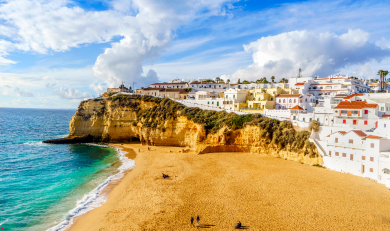
Living in Portugal means adapting to a country where calm, continuity, and human-scale living take precedence over speed or intensity. Portugal is often praised for its climate, safety, and affordability, but the reality of long-term life here is shaped just as much by bureaucracy, social reserve, and a deeply ingrained sense of patience. For expats, […]

Expats Guide for Poland

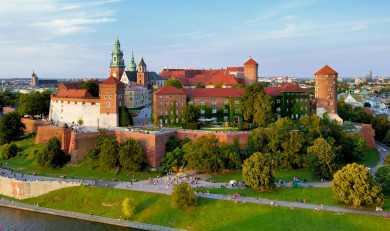
Living in Poland means adapting to a society that combines strong structure, deep historical awareness, and a fast-evolving modern identity. Poland is often underestimated by newcomers, yet daily life here is shaped by reliability, resilience, and a clear sense of order. For expats, the experience is usually practical rather than romantic—but it can be deeply […]

Expats Guide for Philippines

Living in the Philippines means adapting to a country where warmth, informality, and personal relationships shape daily life far more than systems or procedures. The Philippines is often described as friendly and easygoing, and that reputation is largely deserved—but long-term living here requires understanding its deep reliance on social networks, its uneven infrastructure, and its […]