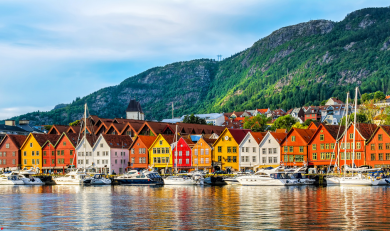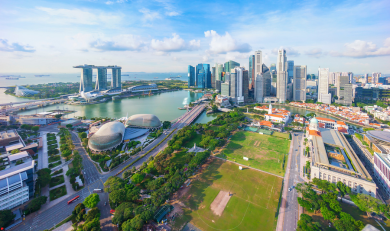
Expats Guide for Singapore

Living in Singapore means adapting to a society built on efficiency, structure, and long-term planning. Singapore is often described as easy, safe, and highly functional—and all of that is true—but daily life here is also shaped by clear rules, social discipline, and high expectations. For expats, the adjustment is rarely chaotic, but it can be […]
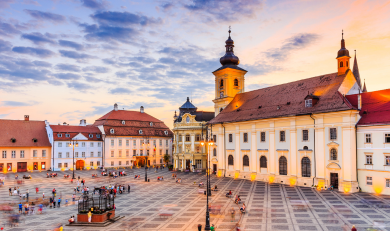
Expats Guide for Romania

Living in Romania means settling into a country where tradition, rapid change, and strong personal relationships exist side by side. Romania often surprises expats: it can feel familiar in its European structure, yet distinctly different in how systems function and how people relate to one another. Daily life here is shaped less by rigid processes […]

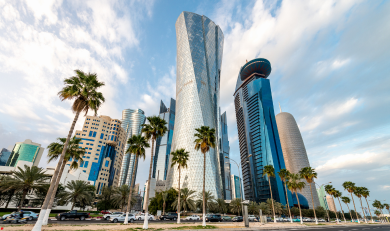
Expats Guide for Qatar

Living in Qatar means adapting to a society where tradition, wealth, and rapid development coexist within clear social and legal boundaries. Qatar is small, highly centralized, and exceptionally well resourced, yet daily life for expats is shaped as much by cultural expectations and law as by modern infrastructure. For many, life here is comfortable and […]

Expats Guide for Portugal

Living in Portugal means adapting to a country where calm, continuity, and human-scale living take precedence over speed or intensity. Portugal is often praised for its climate, safety, and affordability, but the reality of long-term life here is shaped just as much by bureaucracy, social reserve, and a deeply ingrained sense of patience. For expats, […]

Expats Guide for Poland

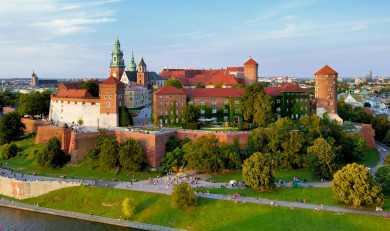
Living in Poland means adapting to a society that combines strong structure, deep historical awareness, and a fast-evolving modern identity. Poland is often underestimated by newcomers, yet daily life here is shaped by reliability, resilience, and a clear sense of order. For expats, the experience is usually practical rather than romantic—but it can be deeply […]

Expats Guide for Philippines

Living in the Philippines means adapting to a country where warmth, informality, and personal relationships shape daily life far more than systems or procedures. The Philippines is often described as friendly and easygoing, and that reputation is largely deserved—but long-term living here requires understanding its deep reliance on social networks, its uneven infrastructure, and its […]

Expats Guide for Peru

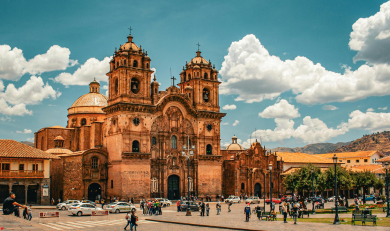
Living in Peru means adapting to a country where history, geography, and social hierarchy shape everyday life in quiet but persistent ways. Peru is often associated with culture, cuisine, and dramatic landscapes, but long-term living here is defined less by spectacle and more by relationships, patience, and regional variation. For expats, the experience can be […]

Expats Guide for Panama

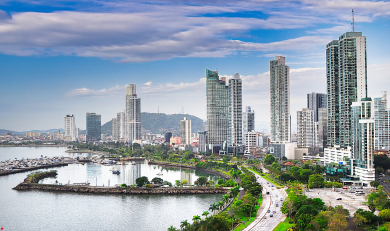
Living in Panama means settling into a country that is outwardly modern and globally connected, yet internally shaped by relationships, hierarchy, and a slower institutional rhythm. Panama is often marketed as an easy place to relocate—financially open, strategically located, and familiar to foreigners—but long-term life here depends on understanding how systems really function beyond the […]

Expats Guide for Oman

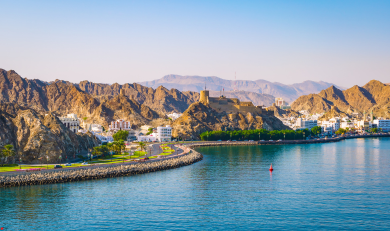
Living in Oman means adapting to a country where tradition, restraint, and quiet order shape daily life. Oman is often overlooked in favor of its more high-profile neighbors, yet for expats it offers something rare in the region: stability without intensity, modern infrastructure without excess, and cultural conservatism balanced by genuine hospitality. Life here is […]

Expats Guide for Norway

Living in Norway means adapting to a society built on trust, structure, and a strong belief in collective responsibility. Norway is often admired for its wealth, safety, and natural beauty, but long-term life here is shaped less by scenery and more by systems, social norms, and an understated way of interacting with the world. For […]