
Real Life Abroad for Expats: What Changes Fast
Real life abroad for expats means more than visas and housing. Learn what daily adjustment really looks like and how to settle in faster.

Real life abroad for expats means more than visas and housing. Learn what daily adjustment really looks like and how to settle in faster.

Learn how average cost of living by country really works, what the numbers miss, and how expats can compare destinations more accurately.

Looking for the best countries for first time expats? These 8 options stand out for ease, safety, cost, and everyday life abroad.

What is daily life abroad like? Learn how routines, culture, logistics, and social norms shape real expat life beyond the move itself.

Quick orientation By the end of this guide you’ll know whether the Germany job‑search route fits your profile, what documents to assemble for a visa appointment, how to apply, and the concrete steps to convert your arrival visa into an employment permit or EU Blue Card. This is a field‑tested workflow from Expats World — […]

Quick answer — the short version For tourism or short business trips up to 90 days in any rolling 180‑day period, U.S. citizens can enter Germany without a visa; if you plan to work, study, live with family, or stay longer than 90 days you must obtain a German national (D) visa before travel. ETIAS […]
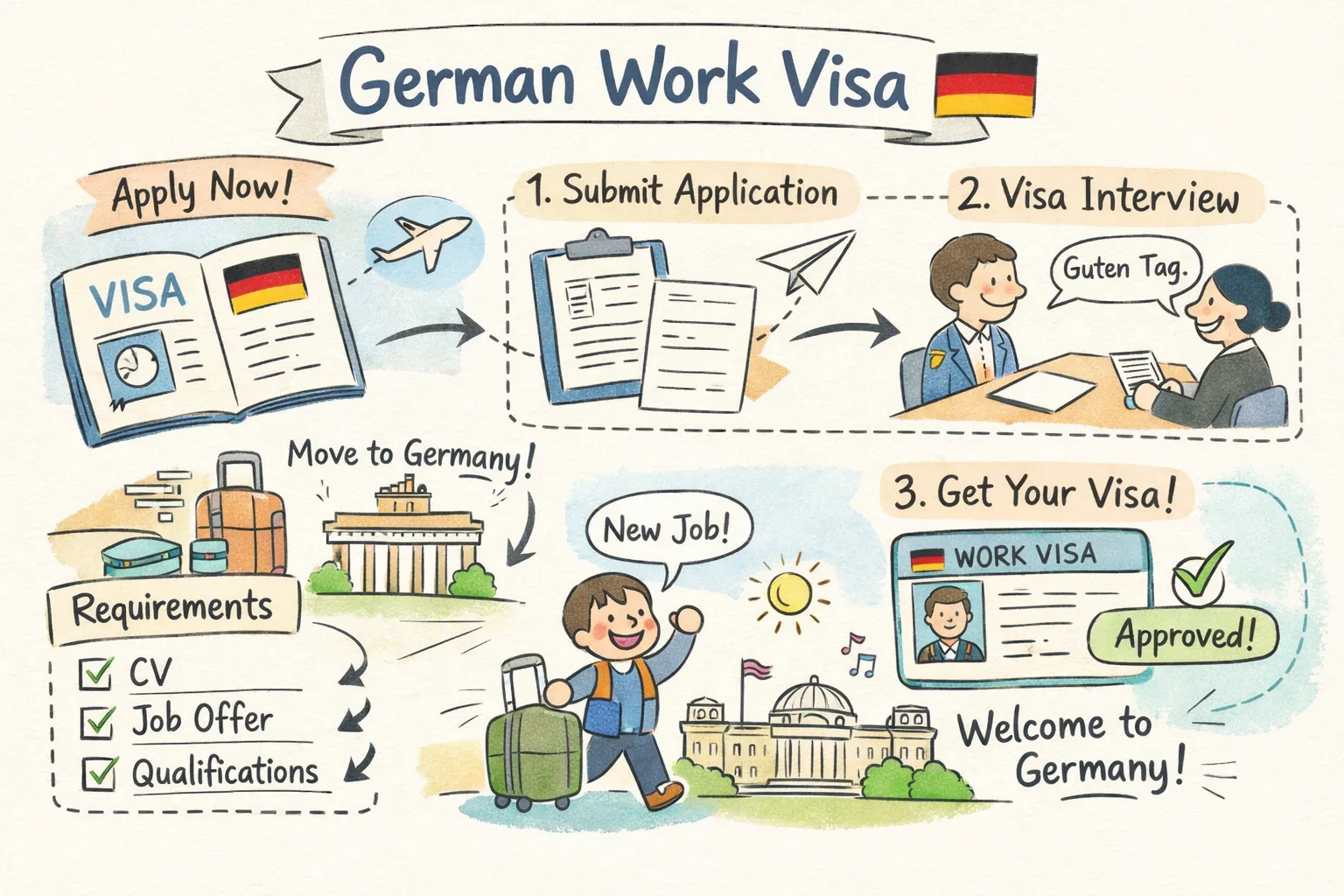
Which permit do you actually need and what should you do first? Start by answering two quick questions: do you already have a concrete job offer, and is your qualification recognised by German standards? This guide, created alongside Expats World’s printable consulate-specific checklist, gives you the immediate, practical steps: pick the right permit, collect and […]
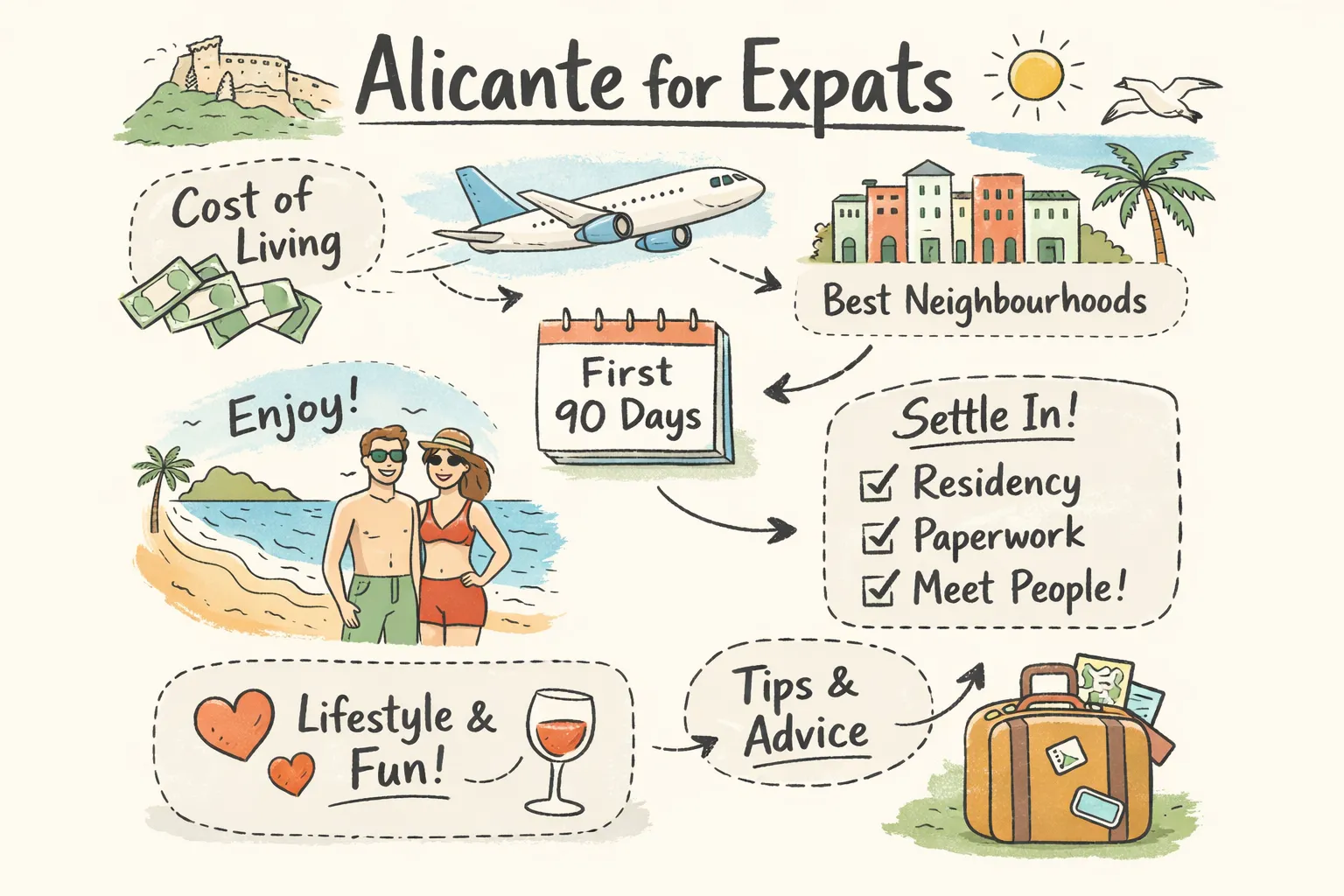
Alicante is a compact Mediterranean city: beaches within walking distance for many neighbourhoods, good walkability in the centre, a sizable international community and lower living costs than Spain’s largest cities. It’s straightforward to build a comfortable life here if your priorities are sunshine, coastal living and a relaxed pace — but it isn’t a one‑size‑fits‑all […]
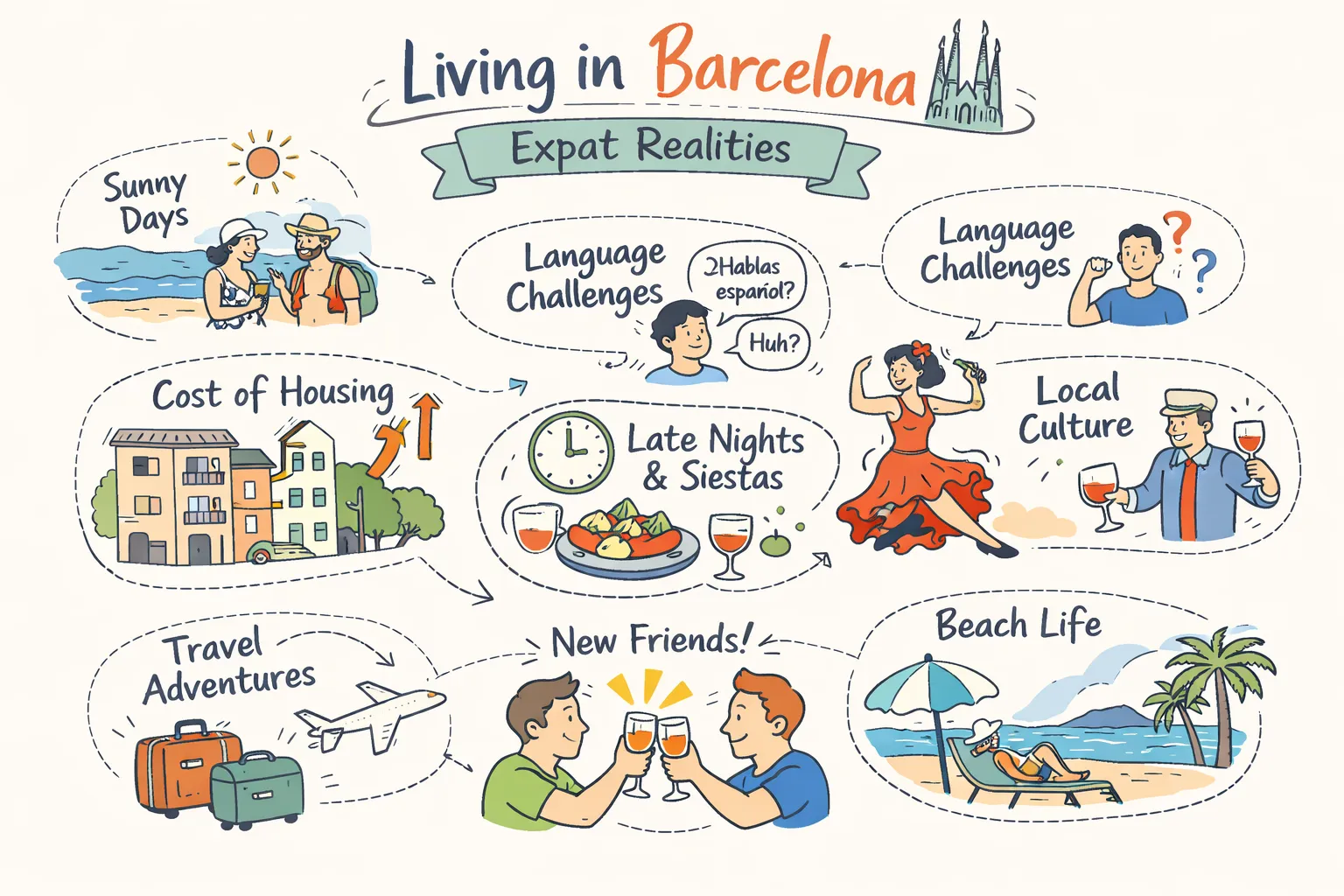
Barcelona is a sunny, cultured, urban-by-the-sea city that rewards people who want a creative, social life with good weather and a relatively affordable price compared with northern European capitals. If you prioritise cafes, neighbourhood character, walkability and a strong startup-and-service economy, Barcelona will suit you. If you need very high salaries, a quiet suburb detached […]
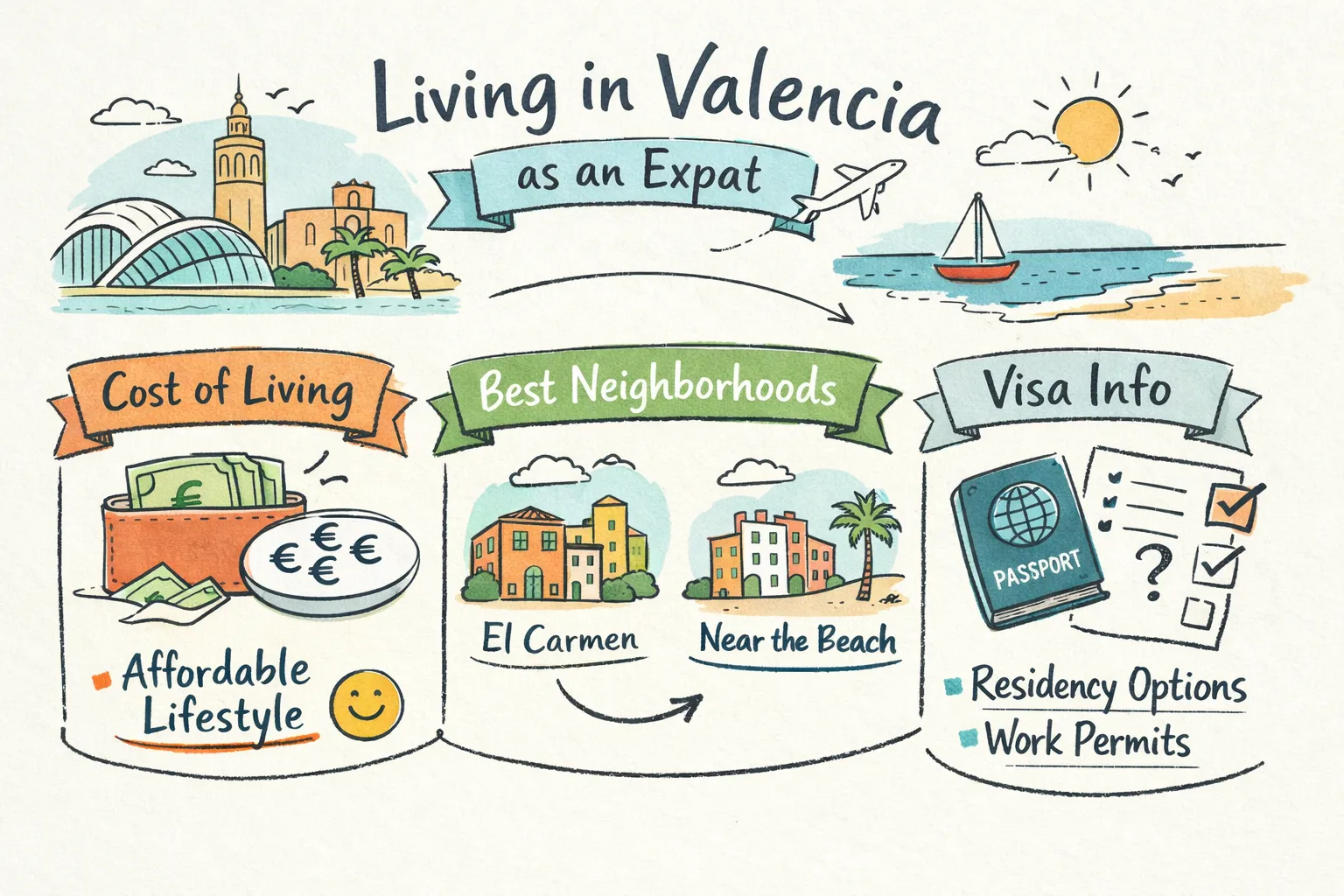
This is a practical, experience‑first city guide from Expats World: compact verdict, realistic budgets, the neighbourhood that will fit your routine, precise residency and rental steps (NIE/TIE and lease traps), where to find work and schools, plus a printable 90‑day checklist with templates you can reuse. Read this and you’ll leave with a clear monthly […]