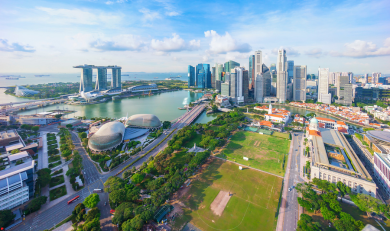
Living in Singapore means adapting to a society built on efficiency, structure, and long-term planning. Singapore is often described as easy, safe, and highly functional—and all of that is true—but daily life here is also shaped by clear rules, social discipline, and high expectations. For expats, the adjustment is rarely chaotic, but it can be psychologically demanding in quieter ways.
This guide is designed to help you understand Singapore as a place to live, not just a place to work or transit through. Whether you are relocating for career advancement, family life, or long-term stability, settling well in Singapore depends on understanding how its systems, culture, and pace interact.
Understanding Daily Life in Singapore
Daily life in Singapore is orderly, fast-moving, and highly predictable. Systems are designed to minimize friction, and most things work exactly as intended. Public transport runs on time, government services are digital and efficient, and daily logistics rarely require improvisation.
At the same time, Singapore places a strong emphasis on personal responsibility and compliance. Rules are clear, enforcement is consistent, and consequences for violations can be severe. This creates a sense of safety and reliability, but also a culture where boundaries are well defined and rarely flexible.
Social interactions are polite and functional. People are generally friendly but reserved, especially in public spaces. Personal lives tend to be private, and relationships often develop slowly through work, school, or long-term shared activities rather than spontaneous encounters.
Life in Singapore moves quickly, particularly in professional settings. Long working hours are common in many sectors, and ambition is normalized. The city rewards preparation, responsiveness, and consistency more than improvisation or emotional expression.
Visas, Residency, and Legal Status
Singapore’s immigration system is highly structured and selective. Residency is tied closely to employment, family ties, or significant financial contribution. Most expats arrive on work passes sponsored by employers, and legal status is clearly defined and closely monitored.
Employment passes are issued based on qualifications, salary level, and employer credentials. Changing jobs typically requires new approval, and work authorization is strictly enforced. Self-employment and entrepreneurship are possible but require careful structuring.
Permanent residency offers greater stability but is competitive and not guaranteed, even after many years of residence. Citizenship is rare and requires long-term commitment, integration, and approval.
Singapore’s system is transparent but firm. As long as rules are followed precisely, processes are smooth. Mistakes or assumptions, however, can lead to delays or rejection.
Housing and Where You Live
Housing in Singapore is modern, well-maintained, and expensive. Space is limited, and prices reflect demand. Most expats live in condominiums or apartments, often in high-rise buildings with shared facilities such as pools and gyms.
Renting is straightforward but requires significant upfront cost, including deposits and agent fees. Leases are typically one to two years, and contracts are formal.
Apartments are usually furnished or partially furnished. Quality is generally high, but size can be surprising for expats used to more space. Noise, building rules, and shared living norms are taken seriously.
Location matters greatly. Proximity to public transport, work, schools, and daily services has a significant impact on quality of life. Because the city is compact, commute times are generally manageable, but peak hours can be crowded.
Singapore is one of the most expensive cities in the world. Housing, private education, cars, and dining out at international restaurants are major expenses.
At the same time, many everyday costs are reasonable. Public transport, local food, utilities, and basic services are affordable and high quality. Hawker centers provide inexpensive, diverse meals and are an integral part of daily life.
Salaries are often competitive, particularly for skilled professionals, which offsets high living costs for many expats. Income tax is relatively low, and the tax system is straightforward.
Financial planning is essential, especially for families. Education, healthcare, and housing costs can rise quickly, and long-term savings require discipline despite high earnings.
Healthcare and Medical Care
Healthcare in Singapore is among the best in the world. Hospitals and clinics are modern, efficient, and well-regulated. English is the primary language of care, and access to specialists is fast.
Healthcare is not free, and insurance is essential. Most expats rely on employer-provided insurance or private plans. Costs are transparent, but they can be high without coverage.
Preventive care is emphasized, and medical standards are conservative but thorough. Singapore’s healthcare system is designed to balance access with cost control, which results in high-quality outcomes.
Emergency care is fast and reliable, and overall confidence in the healthcare system is high among residents.
Work Culture and Professional Life
Singapore’s work culture is performance-driven, competitive, and disciplined. Efficiency, punctuality, and accountability are expected. Hierarchies exist, and respect for authority and seniority is important, particularly in more traditional or regional organizations.
Professional environments are multicultural, with influences from Chinese, Malay, Indian, and Western business cultures. This diversity creates opportunity but also requires cultural awareness and adaptability.
Working hours can be long, and responsiveness outside office hours is common in many sectors. Success is often measured by results rather than process, and expectations can be high.
Networking is important but tends to be structured around professional contexts rather than informal social settings. Reputation, reliability, and competence carry significant weight over time.
Language and Communication
English is the working language of Singapore and is used in government, education, and business. This makes daily life accessible for most expats.
However, communication styles vary. Directness is valued in professional settings, but politeness and restraint remain important. Public confrontation or emotional displays are uncommon and discouraged.
Singapore’s multicultural environment means that communication norms can shift depending on context. Sensitivity to hierarchy, age, and cultural background helps avoid misunderstandings.
Singlish, a local colloquial form of English, is commonly used in informal settings. Understanding it is not essential, but familiarity helps with social integration.
Transportation and Daily Mobility
Public transportation in Singapore is clean, efficient, and comprehensive. Trains and buses cover most of the island, and owning a car is unnecessary for daily life.
Car ownership is expensive due to taxes and restrictions, and most expats rely on public transport or ride-hailing services. Traffic congestion is minimal compared to other major cities.
Walking is common, though heat and humidity can make it tiring. Infrastructure is designed to support pedestrian movement, often with covered walkways.
Travel within the region is easy, and Singapore’s airport is one of the most connected in the world.
Climate and Environmental Factors
Singapore’s climate is hot, humid, and consistent year-round. There are no seasons in the traditional sense, which can feel disorienting for some expats.
Air conditioning plays a major role in daily life, particularly indoors. Adjusting routines to heat and humidity is essential for comfort and health.
Despite dense urban development, Singapore places strong emphasis on green spaces, cleanliness, and environmental management. Parks and waterfronts are integrated into city life.
Safety and Public Order
Singapore is one of the safest countries in the world. Violent crime is rare, public spaces are well maintained, and law enforcement is visible and effective.
This high level of safety is achieved through strict laws and consistent enforcement. Public behavior is regulated, and penalties for violations can be severe.
Most expats feel secure in daily life, including late-night travel and public transport. Safety is one of Singapore’s strongest appeals for families and long-term residents.
Social Life and Integration
Social life in Singapore often revolves around work, family, and structured activities. Making close friends can take time, particularly outside expat circles.
The expat community is large, diverse, and transient. This creates opportunities for connection but can also lead to short-lived relationships.
Local integration requires effort and respect for cultural norms. Participating in local activities, understanding social etiquette, and maintaining humility help build deeper connections.
Privacy is respected, and people tend to separate personal and professional lives more clearly than in some cultures.
Building a Long-Term Life in Singapore
Living well in Singapore requires discipline, adaptability, and long-term planning. The city offers exceptional infrastructure and opportunity, but it demands performance and compliance in return.
Expats who thrive are those who appreciate structure, value predictability, and manage pressure effectively. Those who rely on spontaneity or emotional expression may find the environment constraining.
Over time, routines become smooth, systems fade into the background, and daily life feels effortless. Singapore does not demand attention—it delivers consistency.
Final Thoughts
Living in Singapore is about operating within a highly refined system. It offers safety, opportunity, and efficiency at a level few places can match, but it expects respect for rules, structure, and social order.
For expats seeking career growth, stability, and a clean, predictable environment, Singapore offers a powerful foundation for long-term living. This guide provides the framework—but living well here comes from understanding that in Singapore, clarity is valued over freedom, and consistency is the ultimate currency.