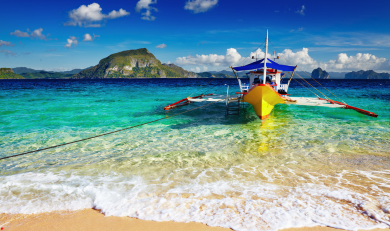
Living in the Philippines means adapting to a country where warmth, informality, and personal relationships shape daily life far more than systems or procedures. The Philippines is often described as friendly and easygoing, and that reputation is largely deserved—but long-term living here requires understanding its deep reliance on social networks, its uneven infrastructure, and its relaxed approach to time and rules.
This guide is designed to help you understand the Philippines as a place to live, not just a destination for short stays or beach life. Whether you are relocating for work, retirement, remote income, or family reasons, settling well in the Philippines depends on patience, cultural sensitivity, and realistic expectations.
Understanding Daily Life in the Philippines
Daily life in the Philippines is people-centered. Relationships matter more than processes, and personal connection often determines how smoothly things go. From government offices to service providers, outcomes frequently depend on who you know and how you communicate rather than what the official rules say.
Time is flexible. Appointments may start late, responses can be slow, and plans often change without warning. This is not usually seen as disrespectful; it reflects a cultural emphasis on adaptability and harmony. Expats who expect strict schedules often feel frustrated, while those who accept fluidity tend to adapt more easily.
Filipinos are generally warm, expressive, and emotionally open. Smiling, humor, and friendliness are common in daily interactions. At the same time, there is a strong desire to avoid conflict. Direct confrontation, public criticism, or visible anger can quickly damage relationships. Politeness and emotional restraint are highly valued, even when disagreement exists.
Family plays a central role in social life. Obligations to relatives often take priority over work or personal plans, and understanding this dynamic helps explain many everyday decisions.
Visas, Residency, and Long-Term Stay
The Philippines offers relatively accessible visa options compared to many countries. Many expats enter on tourist visas, which can be extended repeatedly for long periods without leaving the country. This makes the Philippines attractive for retirees and long-term visitors.
Working legally requires the correct visa and permits, and informal work carries legal risk, even if enforcement can appear inconsistent. Employment visas are tied to sponsorship and involve paperwork, fees, and processing time.
Retirement visas are popular and offer long-term stability for those who meet age and financial requirements. These visas provide benefits such as multiple-entry privileges and reduced bureaucracy once approved.
Permanent residency and citizenship are possible but involve long processes and strict criteria. Many expats choose to remain on long-term renewable visas rather than pursue permanent status.
Staying compliant is important. While the system is forgiving in tone, penalties for overstaying or non-compliance can be significant.
Housing and Living Arrangements
Housing in the Philippines ranges widely in quality, price, and reliability. Expats typically live in apartments or condominiums in cities, or houses in provincial or coastal areas.
Many rentals are furnished, often fully. Condominiums in urban centers usually offer amenities such as security, pools, and backup power. However, construction quality can vary, and newer buildings do not always guarantee better standards.
Leases are often flexible, and informal arrangements are common. Contracts may be simple, and verbal agreements sometimes replace detailed documentation. While this can feel convenient, clarity around rent, utilities, maintenance, and notice periods is essential.
Location matters greatly. Traffic congestion is severe in major cities, and commute times can dominate daily life. Proximity to work, healthcare, and essential services is often more important than housing size or price.
Cost of Living and Financial Reality
The Philippines can be affordable by international standards, but costs depend heavily on lifestyle and location. Local food, domestic services, and transportation are inexpensive, while imported goods, international schools, and high-quality housing raise expenses quickly.
Many expats live comfortably on modest incomes by embracing local habits. Eating Filipino food, using local transport, and shopping domestically keeps costs low. A Western-style lifestyle is available but comes at a premium.
Utilities can be expensive and unreliable. Electricity costs are high, and power outages are common in some areas. Backup solutions such as generators or battery systems are common in higher-end housing.
Banking is functional but bureaucratic. Opening accounts can take time, and many expats rely on a mix of local and international banking solutions.
Healthcare and Medical Care
Healthcare in the Philippines varies significantly. Public hospitals are affordable but often overcrowded and under-resourced. Most expats rely on private hospitals and clinics, particularly in major cities.
Private healthcare quality is generally good in urban centers, with English-speaking doctors and modern facilities. However, standards drop quickly outside major cities, and access to specialists can be limited in rural areas.
Health insurance is strongly recommended. While routine care is affordable out of pocket, serious illness or emergency treatment can become costly or require evacuation to another country.
Pharmacies are widely available, and many medications can be purchased without prescription, though quality control varies.
Work Culture and Professional Life
Work culture in the Philippines is hierarchical and relationship-driven. Respect for authority and seniority is important, and decision-making often flows from the top.
Communication is indirect. Saying “yes” may mean acknowledgment rather than agreement, and disagreement is often expressed subtly. Understanding context, tone, and timing is crucial in professional settings.
Working hours can be long, particularly in service-oriented industries. Flexibility is expected, and personal relationships often overlap with professional life.
Salaries are generally low by international standards, which leads many expats to work remotely or rely on foreign income. Local employment opportunities for foreigners exist but are limited by regulations and competition.
Language and Communication
English is one of the official languages of the Philippines and is widely spoken. This makes daily life accessible for most expats and reduces language barriers significantly.
However, communication style matters more than language proficiency. Filipinos tend to communicate gently, avoiding direct refusal or criticism. Saving face is important, and embarrassment is avoided whenever possible.
Learning basic local phrases in Filipino or regional languages is appreciated, but not essential. More important is tone, politeness, and emotional awareness.
Humor and storytelling are common, and conversations may be animated and personal, even with new acquaintances.
Transportation and Mobility
Transportation in the Philippines can be challenging. Traffic congestion is severe in major cities, and infrastructure struggles to keep pace with population growth.
Public transport exists but is often crowded and informal. Jeepneys, buses, and tricycles are widely used but can be confusing for newcomers. Ride-hailing apps offer more comfort and predictability.
Driving yourself is possible but stressful, especially in urban areas. Many expats choose not to drive due to traffic conditions and inconsistent enforcement of rules.
Travel between islands requires flights or ferries, and schedules can be affected by weather and infrastructure limitations.
Culture, Etiquette, and Social Norms
Filipino culture emphasizes respect, hospitality, and social harmony. Elders are treated with deference, and politeness is expected in all interactions.
Religion plays a major role in daily life, particularly Catholicism. Religious holidays, festivals, and practices influence schedules and social expectations.
Public displays of anger or confrontation are discouraged. Maintaining a calm, friendly demeanor is essential for smooth interactions.
Hospitality is genuine and generous. Guests are often treated warmly, and sharing food is a central social ritual.
Safety and Everyday Reality
The Philippines is generally safe for expats, but safety varies significantly by location. Petty crime exists, particularly in crowded urban areas, and awareness is necessary.
Natural risks such as typhoons, flooding, and earthquakes are part of life. Understanding local weather patterns and emergency procedures is important.
Despite challenges, many expats feel comfortable in daily life, particularly within established communities and residential areas.
Building a Long-Term Life in the Philippines
Living well in the Philippines requires emotional intelligence more than efficiency. Systems function, but relationships determine outcomes. Expats who adapt best are those who remain patient, friendly, and flexible.
Life can feel easy day to day but uncertain long term. Infrastructure limitations, bureaucracy, and environmental factors require ongoing adjustment.
Over time, routines form, social networks grow, and daily life becomes familiar. The Philippines often feels deeply human—imperfect, warm, and relational.
Final Thoughts
Living in the Philippines is not about control or predictability. It is about connection, adaptability, and learning to navigate a system built on people rather than process.
For expats willing to embrace flexibility, respect social norms, and accept uneven infrastructure, the Philippines offers affordability, warmth, and a uniquely social way of life. This guide provides the foundation—but living well here comes from patience, humility, and the ability to move with the country rather than against it.