Living in Morocco means learning to navigate a country where tradition, adaptability, and personal relationships shape nearly every aspect of daily life. Morocco is often described as colorful, vibrant, and welcoming—and it is—but long-term living here is defined less by aesthetics and more by patience, hierarchy, and an ability to operate within informal systems. For expats, Morocco can be deeply engaging, but it requires cultural sensitivity and emotional flexibility.
This guide is designed to help you understand Morocco as a place to live, not just a place to visit or romanticize. Whether you are relocating for work, lifestyle, remote income, or family reasons, settling well in Morocco depends on understanding how the country actually functions beneath the surface.
Understanding Daily Life in Morocco
Daily life in Morocco is relationship-driven and highly contextual. Rules exist, but how they are applied often depends on who you are dealing with, how you communicate, and the relationships you build over time. Personal rapport frequently matters more than written procedures.
Time is flexible. Appointments may start late, deadlines may shift, and processes can take longer than expected. This is not generally seen as inefficiency; it reflects a cultural emphasis on adaptability and circumstance. Pressing too hard for speed often leads to resistance, while patience and calm persistence usually produce results.
Moroccans are generally polite, expressive, and socially aware. Hospitality is genuine and deeply ingrained, especially toward guests. At the same time, social hierarchy matters. Age, status, and authority influence interactions, particularly in professional or administrative settings.
Religion and tradition shape daily rhythms. Prayer times, religious holidays, and family obligations influence schedules and expectations, even among more secular individuals. Understanding this context helps avoid frustration and misinterpretation.
Residency, Visas, and Legal Stay
Morocco offers relatively accessible residency options, but the process is paperwork-heavy and often slow. Many expats enter on tourist visas, which allow limited stays but do not permit work.
Longer-term residency typically requires proof of income, employment, business activity, or family ties. Applications involve in-person visits, document translation, and follow-up appointments. Requirements may vary slightly by city or official.
Bureaucracy in Morocco is formal but not always consistent. Information provided online or verbally may differ from actual practice. Persistence, politeness, and local assistance are often necessary to move applications forward.
Once residency is granted, daily life becomes easier. Access to banking, long-term housing, and healthcare improves significantly. Permanent residency is possible after continuous legal residence, while citizenship is rare and requires long-term commitment.
Housing and Where You Live
Housing in Morocco varies widely by city, neighborhood, and lifestyle. Expats often choose apartments or houses in newer districts, coastal cities, or expat-friendly neighborhoods, while traditional medina living offers a very different experience.
Many rentals are furnished, particularly in cities with strong expat presence. Quality varies significantly, and newer buildings do not always guarantee better construction or maintenance. Asking detailed questions about water pressure, electricity stability, and heating is important.
Leases can be formal or informal. Contracts exist, but enforcement may be uneven. Negotiation is common, and pricing often depends on perceived foreignness. Using local contacts or agents helps avoid misunderstandings.
Location strongly affects daily comfort. Traffic congestion, noise, and air quality vary widely between neighborhoods. Proximity to daily services, healthcare, and reliable internet should be prioritized over aesthetics alone.
Cost of Living and Financial Reality
Morocco offers a relatively low cost of living compared to Europe, though expenses vary by lifestyle and location. Local food, transportation, and services are affordable, while imported goods, international schools, and Western-style housing increase costs quickly.
Eating out is common and inexpensive at local restaurants, while international dining costs more. Markets play a central role in daily shopping, and bargaining is part of everyday transactions.
Utilities are generally affordable but can be unreliable. Internet quality varies by provider and area, and having backup mobile data is advisable, especially for remote workers.
Banking is functional but bureaucratic. Opening accounts requires residency documentation, and processes can be slow. Many expats use a mix of local and international banking solutions.
Healthcare and Medical Care
Healthcare in Morocco includes public and private systems. Public hospitals are affordable but often overcrowded and under-resourced. Most expats rely on private clinics and hospitals, particularly in major cities.
Private healthcare quality varies but is generally good in urban centers. Doctors are often well-trained, and some speak English or French. French remains widely used in medical and administrative contexts.
Health insurance is strongly recommended. While routine care is affordable out of pocket, serious illness or hospitalization can become costly without coverage.
Access to specialized care may be limited outside major cities, and some expats choose treatment abroad for complex procedures.
Work Culture and Professional Life
Moroccan work culture is hierarchical and relationship-based. Authority is respected, and decision-making often flows from senior figures. Personal trust matters greatly, and business often progresses through networks rather than formal processes.
Communication tends to be indirect and polite. Saying “yes” may indicate acknowledgment rather than agreement. Reading between the lines and following up gently is essential.
Working hours vary by sector. Some industries maintain long hours, while others operate at a slower pace. Flexibility is expected, and schedules may change with little notice.
Local salaries are modest by international standards, which leads many expats to work remotely, run businesses, or rely on foreign income. Employment opportunities for foreigners exist but are regulated and language-dependent.
Language and Communication
Arabic and Amazigh are official languages, while French is widely used in business, education, and administration. English is growing in popularity but is not yet universal.
Daily life becomes significantly easier with French or Arabic proficiency. Relying solely on English limits integration, particularly outside tourist areas.
Communication style is expressive but respectful. Tone, body language, and context matter as much as words. Public confrontation or blunt criticism is discouraged.
Learning basic Arabic phrases is appreciated and often improves interactions, even if fluency is not achieved.
Transportation and Mobility
Transportation in Morocco ranges from modern to informal. Large cities have taxis, buses, and trains, while smaller towns rely on shared taxis and local transport.
Driving is common but can be challenging due to traffic congestion and inconsistent enforcement of rules. Many expats choose not to drive in major cities.
Intercity trains are reliable and affordable, making travel between major cities relatively easy. Domestic flights connect distant regions.
Walking is possible in some areas but limited by infrastructure, traffic, and heat, particularly in summer.
Culture, Etiquette, and Social Norms
Moroccan culture places strong emphasis on respect, hospitality, and social harmony. Elders and authority figures are treated with deference, and polite behavior is expected in all interactions.
Religion plays a central role in public life. Islam influences daily routines, holidays, and social expectations. Respect for religious customs is essential, particularly during Ramadan.
Dress codes are generally modest, especially outside tourist areas. While enforcement varies, dressing respectfully helps avoid unwanted attention.
Hospitality is genuine and generous. Invitations to tea or meals are common, and refusing without explanation may be seen as impolite.
Safety and Everyday Reality
Morocco is generally safe for expats, with low levels of violent crime. Petty theft and scams occur, particularly in tourist areas, and awareness is necessary.
Safety varies by location, and choosing housing carefully reduces risk significantly. Following local advice and common-sense precautions is effective.
Political stability is strong, and public order is maintained. Protests occur occasionally but are usually localized and manageable.
Climate plays a major role in daily life. Heat, dust, and seasonal variation affect routines and energy levels.
Regional Differences and Lifestyle Choice
Morocco is highly diverse. Coastal cities, imperial cities, mountain towns, and desert regions offer very different lifestyles, climates, and challenges.
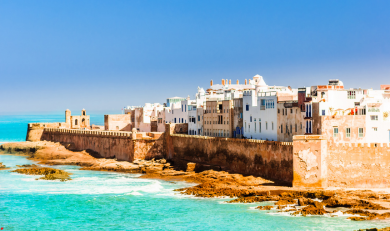
Cities like Casablanca and Rabat offer modern infrastructure and professional opportunities, while places like Marrakech or Essaouira attract lifestyle-focused expats.
Smaller towns provide affordability and community but limited services. Choosing the right region is one of the most important decisions expats make.
Building a Long-Term Life in Morocco
Living well in Morocco requires patience, cultural humility, and emotional intelligence. Systems function, but relationships drive outcomes.
Expats who thrive are those who adapt to flexibility, respect hierarchy, and accept that progress is gradual. Those who expect predictability and speed often struggle.
Over time, routines form, social networks grow, and daily life becomes familiar. Morocco often becomes deeply personal to those who commit to understanding it.
Final Thoughts
Living in Morocco is about navigating contrast—between tradition and change, structure and improvisation, formality and warmth. It is not always easy, but it is rarely superficial.
For expats willing to learn the language, respect local norms, and engage patiently with everyday life, Morocco offers affordability, cultural depth, and a richness of experience that few countries can match. This guide provides the framework—but living well in Morocco comes from accepting that here, relationships matter more than rules, and adaptability is the key to belonging.