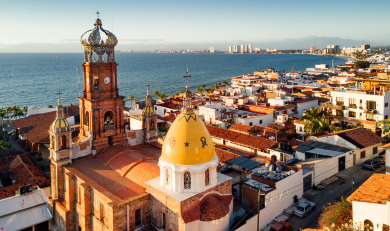
Living in Mexico means adapting to a country where warmth, hierarchy, and flexibility coexist with modern infrastructure and deep regional diversity. Mexico is often portrayed as either chaotic or carefree, but long-term life here is far more nuanced. Daily living is shaped by relationships, class dynamics, and an unspoken understanding that systems function—but rarely in a uniform way.
This guide is designed to help you understand Mexico as a place to live, not just a place to visit, retire, or work remotely from. Whether you are relocating for lifestyle, family, business, or long-term residence, settling well in Mexico requires patience, cultural awareness, and a realistic view of how things actually get done.
Understanding Daily Life in Mexico
Daily life in Mexico is relational and adaptive. Rules exist, but outcomes often depend on communication style, persistence, and personal rapport. Formal processes matter, but informal follow-up is frequently what moves things forward.
Time is treated flexibly. Appointments may start late, timelines may shift, and delays are common. This is rarely considered unprofessional. It reflects a cultural tolerance for uncertainty and an emphasis on human interaction over rigid scheduling. Expats who push aggressively for speed often encounter resistance, while those who remain calm and persistent tend to succeed.
Mexicans are generally warm, polite, and socially expressive. Courtesy is important, particularly in first interactions. At the same time, hierarchy matters. Age, job title, and social role influence how people speak and behave, especially in professional or administrative settings.
Family plays a central role in daily life. Many decisions—professional and personal—are influenced by family obligations, which helps explain last-minute changes and shifting priorities.
Residency, Visas, and Legal Stay
Mexico offers relatively accessible residency options compared to many countries, which is a major reason it attracts expats. Temporary and permanent residency are available through income, savings, employment, investment, or family ties.
The process is structured but can feel inconsistent. Requirements are clear on paper, but interpretation may vary between consulates and local immigration offices. Documentation, patience, and multiple visits are often required.
Once residency is granted, daily life becomes significantly easier. Access to banking, long-term housing, healthcare, and utilities improves. Permanent residency is attainable after a qualifying period, and citizenship is possible after long-term residence and language proficiency.
Mexico rewards preparation and follow-through. Missing documents or incorrect assumptions can cause delays, but persistence usually pays off.
Housing and Where You Live
Housing in Mexico varies widely by city, neighborhood, and income level. Expats often live in apartments or houses in middle- or upper-middle-class neighborhoods, where infrastructure and services are more reliable.
Many rentals are furnished, especially in expat-heavy areas. Lease terms are often flexible, and informal agreements are common. Contracts exist, but enforcement can vary, making clarity around rent, utilities, and maintenance essential.
Construction quality differs greatly. Some buildings are modern and well insulated, while others may have issues with plumbing, noise, or temperature control. Asking detailed questions and visiting properties carefully is important.
Location has a major impact on quality of life. Traffic congestion is severe in large cities, and commuting can dominate daily routine. Choosing housing close to work, schools, or daily services significantly improves day-to-day comfort.
Cost of Living and Financial Reality
Mexico offers a wide range of living costs. Local food, transportation, and services are affordable, while imported goods, international schools, and luxury housing increase expenses quickly.
Many expats live comfortably on moderate incomes by embracing local habits. Eating Mexican food, using local services, and shopping domestically keeps costs manageable. A Western-style lifestyle is available but costs significantly more.
Utilities are affordable but can be unreliable in some areas. Internet quality varies by provider and neighborhood, and having backup mobile data is common among remote workers.
Banking is functional but bureaucratic. Opening accounts requires residency documentation, and processes can take time. Cash remains widely used, though digital payments are increasingly common.
Healthcare and Medical Care
Healthcare in Mexico includes both public and private systems. Public healthcare is affordable but often crowded and slow. Most expats rely on private clinics and hospitals, particularly in urban areas.
Private healthcare quality is generally high and affordable by international standards. Many doctors are well trained, and English-speaking providers are available in major cities.
Health insurance is recommended, though many expats pay out of pocket for routine care due to low costs. For serious illness or hospitalization, insurance provides important protection.
Pharmacies are widespread, and many medications are available without prescription, though standards and guidance vary.
Work Culture and Professional Life
Mexican work culture is hierarchical and relationship-driven. Authority is respected, and decision-making often flows from the top. Titles and seniority matter, particularly in traditional sectors.
Communication is polite and indirect. Saying “yes” may indicate acknowledgment rather than agreement. Disagreement is often expressed subtly, and saving face is important.
Working hours can be long, especially in competitive industries. Flexibility is expected, and professional and personal lives often overlap.
Local salaries are modest by international standards, leading many expats to work remotely or rely on foreign income. Employment opportunities for foreigners exist but are regulated and language-dependent.
Language and Communication
Spanish is essential for long-term living in Mexico. While English is spoken in tourist and expat areas, daily life—including healthcare, government offices, and local services—requires Spanish proficiency.
Mexican Spanish is generally clear and widely understood. Communication style is polite and often indirect, especially in formal situations.
Tone and body language matter as much as words. Public confrontation or blunt criticism can damage relationships quickly.
Making an effort to speak Spanish is appreciated and often leads to better service and warmer interactions.
Transportation and Mobility
Transportation in Mexico varies greatly by city. Major cities have buses, metros, and ride-hailing services, while smaller towns rely on informal transport.
Traffic congestion is a major challenge in urban areas. Many expats choose housing locations specifically to minimize commuting.
Driving standards vary, and enforcement is inconsistent. Some expats drive comfortably, while others prefer not to.
Domestic flights connect major cities efficiently, making regional travel relatively easy despite the country’s size.
Culture, Etiquette, and Social Norms
Mexican culture places high value on respect, politeness, and social harmony. Greetings matter, and taking time to exchange pleasantries is important before business or requests.
Religion, particularly Catholicism, influences holidays, traditions, and social expectations. Even non-religious individuals often observe religious customs culturally.
Hospitality is genuine. Invitations to meals and celebrations are common, and food plays a central role in social life.
Class and social status exist but are often understated. Awareness of these dynamics helps avoid misunderstandings.
Safety and Everyday Reality
Safety in Mexico varies significantly by location. Some areas are very safe and calm, while others require caution. Choosing where you live and how you move matters greatly.
Most expats live without incident by following local advice, avoiding certain areas, and maintaining situational awareness.
Violence is unevenly distributed and rarely affects expat daily life directly, but awareness and discretion are essential.
Natural risks such as earthquakes and hurricanes affect certain regions, and preparedness varies by location.
Regional Differences and Lifestyle Choice
Mexico is not one experience. Coastal cities, colonial towns, megacities, and rural areas offer completely different lifestyles.
Cities like Mexico City, Guadalajara, and Monterrey offer professional opportunities and modern infrastructure. Colonial towns attract lifestyle-focused expats seeking slower pace and community.
Beach destinations offer climate and leisure benefits but may lack healthcare or professional options.
Choosing the right region is one of the most important decisions expats make. Climate, altitude, infrastructure, and social environment vary dramatically.
Building a Long-Term Life in Mexico
Living well in Mexico requires adaptability and cultural humility. Systems work, but relationships drive outcomes. Expats who expect predictability and uniformity often struggle, while those who engage patiently tend to thrive.
Social integration happens through consistency and presence rather than speed. Relationships deepen over time and become a key source of support.
Mexico offers richness rather than ease. It can be frustrating, but it is rarely dull or isolating.
Final Thoughts
Living in Mexico is about learning to move with complexity rather than against it. It is a country where people matter more than processes and where progress often depends on patience and connection.
For expats willing to learn the language, respect social norms, and adapt expectations, Mexico offers affordability, cultural depth, and a deeply human way of life. This guide provides the framework—but living well here comes from embracing a place where warmth, flexibility, and resilience shape everyday reality.