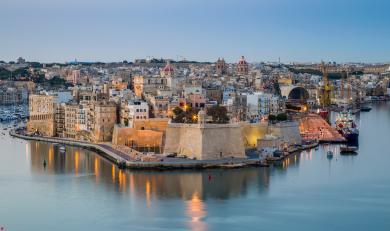
Living in Malta means adjusting to a place where scale, proximity, and visibility shape nearly every aspect of daily life. Malta is often marketed as relaxed, sunny, and convenient—and it is—but long-term living here is defined less by climate and more by density, relationships, and the realities of life on a small island. For expats, Malta can feel easy to enter, but more complex to truly settle into.
This guide is designed to help you understand Malta as a place to live, not just a lifestyle destination or EU base. Whether you are relocating for work, remote income, business, or long-term residence, settling well in Malta depends on understanding how its systems, culture, and social dynamics actually operate.
Understanding Daily Life in Malta
Daily life in Malta is shaped by proximity. Distances are short, communities overlap, and privacy is limited in ways that are not immediately obvious. People often know each other through extended networks, and reputations—good or bad—travel quickly.
Life moves at a slower pace than in many Northern European countries, but not necessarily in a relaxed way. Things often take time, but not always calmly. Bureaucracy can be slow, traffic can be heavy, and noise is a constant feature of daily life. Patience is essential, but so is assertiveness when needed.
Maltese society is friendly but layered. Locals are generally warm and helpful, especially on a personal level, but social circles can feel closed. Relationships are often long-standing, and trust is built over time rather than through formality.
Because of the island’s size, work, social life, and personal reputation tend to intersect. Expats quickly learn that behavior in one area of life can affect opportunities in another.
Residency, Visas, and Legal Stay
Malta offers multiple residency pathways, particularly attractive to EU citizens, remote workers, retirees, and high-net-worth individuals. On paper, systems appear clear and well defined. In practice, processes are documentation-heavy and slow.
Applications often involve extensive paperwork, in-person appointments, and follow-up. Requirements can change, and interpretation may vary depending on the official or agency involved. Using licensed agents is common and often necessary, though it does not guarantee speed.
Once residency is granted, daily life becomes easier. Access to healthcare, banking, and long-term housing improves. Permanent residency and citizenship are attainable, but both require long-term planning and compliance.
Malta is welcoming, but it expects persistence. Things move forward for those who follow up, remain polite, and stay organized.
Housing and Where You Live
Housing in Malta is one of the biggest factors affecting quality of life. Demand is high, supply is limited, and construction is ongoing across much of the island.
Most expats rent apartments, often furnished. Quality varies significantly. Newer buildings may look modern but suffer from poor soundproofing, while older properties may be sturdier but less energy efficient.
Noise is a major consideration. Construction, traffic, and close neighbors are part of everyday life. Asking about surrounding development and visiting properties at different times of day is essential.
Leases are typically one year, and contracts are formal. Rent prices vary widely depending on location, proximity to the sea, and access to services. Central locations reduce commute times but increase noise and density.
Choosing the right neighborhood matters more in Malta than apartment size alone.
Cost of Living and Financial Reality
Malta’s cost of living has increased steadily in recent years. Housing is the largest expense, followed by transportation and imported goods.
Local food, services, and dining can be affordable, especially outside tourist-heavy areas. Imported products and international brands are expensive relative to local wages.
Salaries vary by sector. Finance, gaming, and international services offer higher wages, while local salaries are more modest. Many expats rely on foreign income or remote work to maintain their desired lifestyle.
Banking is stable but conservative. Opening accounts requires residency documentation and patience. Malta’s regulatory environment is strict, which adds security but slows processes.
Healthcare and Medical Care
Malta has a strong public healthcare system that provides good-quality care to residents. Once registered, access to hospitals and clinics is reliable and affordable.
Wait times exist for non-urgent care, and navigating the system can take time. Many expats choose private healthcare for faster access and convenience.
Private clinics and hospitals are widely available and affordable by international standards. English is the primary language of care, which simplifies communication.
Health insurance is recommended, particularly for those using private services or during the early stages of residency.
Work Culture and Professional Life
Work culture in Malta is relationship-oriented and hierarchical. Decision-making often depends on personal trust as much as formal structure.
Professional environments vary widely. International companies tend to operate with more standardized processes, while local businesses rely heavily on personal networks and informal communication.
Working hours can be long in some sectors, particularly finance and gaming. Flexibility is expected, and boundaries between work and personal life may blur.
Networking is important, but because the community is small, reputation matters more than volume of connections. Reliability and discretion are highly valued.
Language and Communication
English is an official language of Malta and widely spoken. This makes daily life accessible for most expats and reduces language barriers significantly.
Maltese is also widely used, particularly in informal or family settings. While learning Maltese is not essential, understanding basic phrases and cultural references helps with deeper integration.
Communication style is direct but informal. People often speak candidly, though sensitivity to hierarchy remains important.
Because communities overlap, what you say—and how you say it—can travel quickly. Diplomacy matters.
Transportation and Mobility
Transportation is one of Malta’s most challenging aspects. Traffic congestion is heavy, and commute times can be unpredictable despite short distances.
Public transport exists but can be unreliable and slow, particularly during peak hours. Many expats rely on private vehicles, taxis, or ride-hailing services.
Driving standards vary, and road infrastructure struggles to keep up with population density. Defensive driving and patience are essential.
Walking is possible in some areas but limited by traffic, heat, and uneven infrastructure.
Culture, Tradition, and Social Norms
Maltese culture is shaped by Catholic tradition, family ties, and a strong sense of continuity. Religion influences holidays, social expectations, and public life, even among non-practicing individuals.
Family is central, and many social activities revolve around extended family networks. This can make social integration slower for expats, particularly outside international circles.
Hospitality is genuine, but social boundaries exist. Relationships deepen through consistency rather than enthusiasm.
Public behavior is generally expressive, but reputation and respectability matter, particularly in professional and community settings.
Safety and Everyday Reality
Malta is generally safe, with low levels of violent crime. Petty theft occurs, particularly in tourist areas, but daily life feels secure.
The island’s density means privacy is limited. Noise, construction, and shared spaces are part of everyday reality.
Infrastructure strain—traffic, waste management, and construction—is an increasing concern and affects quality of life more than safety issues.
Climate and Lifestyle Adjustment
Malta’s climate is a major draw. Long summers and mild winters shape daily routines and social life.
However, heat, humidity, and lack of green space can become tiring over time. Many expats adjust schedules to avoid peak heat and seek coastal or indoor activities.
Seasonality is less pronounced than in northern countries, which some find liberating and others find monotonous.
Outdoor living is central, but space is limited, and popular areas can feel crowded.
Social Life and Integration
Malta has a large and diverse expat community, particularly in certain industries. Social life within these circles is active and accessible.
Deeper integration with local communities takes time. Friendships develop slowly and often remain situational unless sustained over years.
Because the island is small, social circles overlap. Maintaining professionalism and discretion is important, particularly in work-related environments.
For families, schools and children’s activities are often the primary gateway to deeper community integration.
Building a Long-Term Life in Malta
Living well in Malta requires managing density, noise, and visibility. It is not a place for anonymity or constant novelty.
Expats who thrive are those who value convenience, climate, and community over space and quiet. Those who expect privacy, efficiency, or constant calm may struggle.
Over time, routines settle, shortcuts are learned, and daily life becomes more predictable. Malta rewards persistence and local knowledge.
Final Thoughts
Living in Malta is about understanding scale. Everything is close—people, systems, opportunities, and frustrations. The island offers accessibility, safety, and climate, but it also demands tolerance for congestion and compromise.
For expats willing to adapt expectations, navigate bureaucracy patiently, and accept the realities of island living, Malta offers a stable, social, and strategically located base in Europe. This guide provides the framework—but living well in Malta comes from learning how to operate gracefully in a place where nothing is far away, and nothing is truly anonymous.