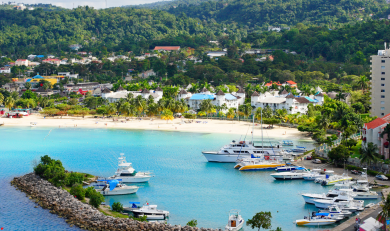
Living in Jamaica means adapting to a country where rhythm, relationships, and resilience shape everyday life far more than systems or schedules. Jamaica is globally known for music, beaches, and laid-back energy, but long-term living here is more complex than the image suggests. Daily life is shaped by strong social awareness, visible inequality, and an unspoken understanding that progress often depends on people rather than process.
This guide is designed to help you understand Jamaica as a place to live, not just a place to visit or vacation in. Whether you are relocating for lifestyle, retirement, work, or remote income, settling well in Jamaica requires patience, cultural sensitivity, and realistic expectations.
Understanding Daily Life in Jamaica
Daily life in Jamaica is highly social and expressive. Conversation matters, tone matters, and how you carry yourself matters. People are generally friendly, curious, and open, but also perceptive. Jamaicans quickly read intention, confidence, and respect in interactions.
Time is flexible. Appointments may start late, plans may change, and delays are common. This is rarely seen as disrespectful. It reflects a cultural acceptance of uncertainty and a focus on managing circumstances rather than controlling them. Expats who push aggressively for efficiency often meet resistance, while those who remain calm and personable tend to get better results.
There is also a strong awareness of class and status. Jamaica has visible economic inequality, and this shapes how people interact, particularly between locals and foreigners. Respectful behavior, humility, and consistency go a long way in building trust.
Community plays a major role. News travels quickly, and reputation matters. How you treat people—drivers, neighbors, service staff—will influence how smoothly daily life unfolds.
Residency, Visas, and Long-Term Stay
Jamaica allows relatively easy entry for visitors, with many nationalities granted visa-free access for extended stays. However, long-term residence requires formal permission.
Residency options exist through employment, business activity, marriage, or retirement, but the process is documentation-heavy and slow. Applications involve background checks, proof of income, and in-person visits. Timelines are rarely fixed, and follow-up is usually required.
Working legally requires the appropriate permit, and enforcement is real. Informal work exists but carries risk, particularly for expats without strong local backing.
Permanent residency is possible after long-term legal residence, while citizenship requires significant time and commitment. Many expats live on renewable permits and accept a degree of uncertainty as part of long-term life in Jamaica.
Housing and Where You Live
Housing in Jamaica varies dramatically by location and income level. Expats typically live in apartments or houses in gated communities, coastal areas, or established residential neighborhoods.
Many rentals are furnished, though quality varies. Some properties are modern and well-maintained, while others may have issues with water pressure, electricity stability, or security. Viewing carefully and asking detailed questions is essential.
Security is a key consideration. Gated communities, security guards, and alarm systems are common and widely accepted as part of daily life. This does not mean constant danger, but it reflects local reality and risk management.
Location strongly affects quality of life. Proximity to work, healthcare, reliable internet, and safe transportation matters more than scenic views alone. Traffic congestion in urban areas can be severe, making commute times unpredictable.
Jamaica can be affordable or expensive depending on lifestyle. Local food, services, and labor are relatively inexpensive, while imported goods, electronics, and international brands are costly.
Many expats reduce costs by eating local food, shopping at markets, and adjusting expectations around Western conveniences. A fully imported lifestyle is possible but expensive.
Utilities can be costly and unreliable. Electricity rates are high, and outages occur. Backup generators or battery systems are common in higher-end housing.
Banking is functional but conservative. Opening accounts requires residency documentation, and processes can take time. Many expats rely on international accounts or digital banking alongside local services.
Healthcare and Medical Care
Healthcare in Jamaica includes public and private systems. Public hospitals are affordable but often overcrowded and under-resourced. Most expats rely on private clinics and hospitals for routine and emergency care.
Private healthcare quality is generally good in major cities, with English-speaking doctors and reasonable standards. However, access to specialized care can be limited, and some expats travel abroad for complex treatment.
Health insurance is strongly recommended. While routine care may be affordable out of pocket, serious illness or evacuation can be costly without coverage.
Pharmacies are widely available, though certain medications may be limited or require alternatives.
Work Culture and Professional Life
Jamaican work culture is hierarchical and relationship-driven. Authority matters, and decision-making often flows from senior figures. Personal rapport is important, and trust is built over time.
Communication is expressive but indirect in sensitive situations. Saying “yes” may signal politeness rather than agreement. Understanding tone and context is essential in professional environments.
Working hours vary by industry. Some sectors operate on long or irregular schedules, while others move at a slower pace. Flexibility is expected on both sides.
Local salaries are generally low by international standards, which leads many expats to work remotely, start businesses, or rely on foreign income. Employment opportunities for foreigners exist but are regulated and competitive.
Language and Communication
English is the official language of Jamaica, which makes daily life accessible for expats. However, communication style matters more than language itself.
Jamaican Patois is widely spoken and deeply tied to identity and culture. While expats are not expected to speak it, understanding basic expressions helps with social connection and comprehension.
Communication is often animated, humorous, and expressive. At the same time, respect and tone are crucial. Public disrespect or condescension is not tolerated well.
Listening carefully and responding with warmth and humility goes a long way.
Transportation and Mobility
Transportation in Jamaica can be challenging. Traffic congestion is heavy in urban areas, and road conditions vary widely.
Public transportation exists but can be crowded and informal. Route taxis and minibuses are widely used but may feel chaotic to newcomers. Many expats rely on private vehicles or trusted drivers.
Driving requires confidence and awareness. Road rules are loosely enforced, and defensive driving is essential.
Inter-city travel can be slow, and travel times are often longer than distances suggest due to terrain and traffic.
Culture, Etiquette, and Social Norms
Jamaican culture values respect, confidence, and authenticity. People appreciate directness balanced with courtesy.
Religion plays a visible role in daily life, particularly Christianity. Church communities are influential, and religious holidays shape the social calendar.
Appearance and presentation matter. How you dress and carry yourself affects how you are perceived, particularly in professional or official contexts.
Hospitality is genuine, but boundaries exist. Relationships deepen through consistency and shared experience rather than immediate familiarity.
Safety and Everyday Reality
Safety is one of the most discussed aspects of life in Jamaica. Crime exists, and awareness is necessary, but daily life for many expats is not dominated by fear.
Risk varies significantly by location. Choosing housing carefully, following local advice, and avoiding certain areas reduces risk substantially.
Most expats live incident-free by maintaining situational awareness, building local relationships, and respecting boundaries.
Natural risks such as hurricanes affect certain seasons, and preparation is part of life.
Social Life and Integration
Social life in Jamaica is vibrant and expressive. Music, food, and shared gatherings play a central role.
Expats often find it easy to socialize, but deeper trust takes time. Consistency, respect, and humility are key to integration.
The expat community is present but smaller than in some countries. Building relationships with locals often leads to a richer experience.
Community involvement—through churches, sports, or local initiatives—helps bridge social gaps.
Climate and Lifestyle Adjustment
Jamaica’s climate is warm year-round, which shapes daily routines and energy levels. Heat and humidity influence work hours, clothing, and activity patterns.
Outdoor living is common, but infrastructure is not always designed for comfort. Adjusting expectations around air conditioning, water availability, and noise helps reduce frustration.
Seasonality is subtle but includes hurricane season, which requires preparedness rather than fear.
Building a Long-Term Life in Jamaica
Living well in Jamaica requires emotional intelligence and adaptability. Systems exist, but relationships drive outcomes.
Expats who thrive are those who respect local culture, remain patient, and accept that life may feel unpredictable at times. Those who expect strict order or anonymity often struggle.
Over time, routines settle, trust builds, and daily life feels familiar. Jamaica reveals itself gradually, not through convenience, but through connection.
Final Thoughts
Living in Jamaica is not about ease or efficiency. It is about rhythm, resilience, and human connection. It can be challenging, but it is rarely impersonal.
For expats willing to adapt expectations, engage respectfully, and move with the country rather than against it, Jamaica offers warmth, culture, and a deeply human way of life. This guide provides the framework—but living well here comes from understanding that in Jamaica, how you show up matters as much as where you live.