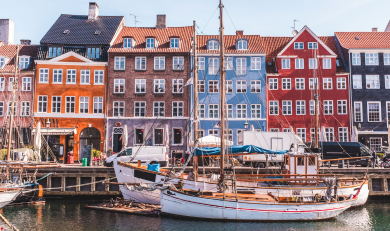
Living in Denmark means adapting to a society built on trust, structure, and an unusually strong belief that things should be fair, functional, and calm. Denmark regularly appears near the top of global happiness rankings, but that reputation is not about constant joy or friendliness. Long-term life here is shaped by predictability, social equality, and a quiet confidence that systems will work if everyone does their part. For expats, Denmark can feel reassuring and safe—though sometimes emotionally reserved and socially opaque.
This guide is designed to help you understand Denmark as a place to live, not just a well-branded Nordic ideal. Whether you are relocating for work, family life, study, or long-term stability, settling well in Denmark depends on understanding its social norms, expectations, and subtle boundaries.
Understanding Daily Life in Denmark
Daily life in Denmark is orderly, calm, and highly routine-driven. People value punctuality, planning, and reliability. Appointments start on time, schedules are respected, and disruptions are minimized wherever possible. This creates a strong sense of predictability, which many expats find comforting after initial adjustment.
Social interaction is polite but understated. Danes are friendly, but not outwardly expressive with strangers. Smiling excessively, oversharing, or forcing familiarity can feel unnatural in Danish culture. Instead, respect is shown through giving space, being dependable, and not drawing unnecessary attention to oneself.
Communication is generally direct but restrained. Danes tend to say what they mean without embellishment, yet they avoid confrontation and emotional intensity. Disagreement is expressed calmly, often with understated language. Silence is not awkward and does not need to be filled.
There is a strong sense of equality. Titles and status are downplayed, and overt displays of hierarchy are discouraged. Everyone is expected to follow the same rules, regardless of background.
Residency, Visas, and Bureaucracy
Denmark’s immigration system is structured, rules-based, and transparent—but not flexible. Residency options exist through employment, study, family reunification, entrepreneurship, and EU freedom of movement.
Processes are clearly documented, and requirements must be met precisely. Decisions are consistent, but there is little room for discretion if criteria are not fulfilled. Documentation, timelines, and compliance matter greatly.
Once residency is granted, registering with national systems is essential. This registration enables access to healthcare, banking, taxation, and public services. Denmark’s digital infrastructure makes many administrative processes efficient once you are fully registered.
Permanent residency and citizenship are attainable after long-term legal residence, language proficiency, and integration. Denmark rewards stability, consistency, and contribution rather than speed.
Housing and Where You Live
Housing in Denmark is generally high quality, functional, and well regulated. Most expats rent apartments, which are typically unfurnished but well maintained and energy efficient.
Apartments are designed for practicality rather than luxury. Layouts are efficient, insulation is strong, and heating systems are reliable. Older buildings are often well renovated, while newer developments emphasize sustainability.
Rental contracts are formal, and tenant protections are strong. Deposits are standard, and long-term stability is common once housing is secured. Competition can be intense in major cities, particularly Copenhagen, and finding housing may take time.
Location plays a major role in daily life. Proximity to work, public transport, and essential services often matters more than apartment size. Many expats choose commuter areas to balance cost and convenience.
Cost of Living and Financial Reality
Denmark has a high cost of living, particularly for housing, food, and services. Prices can feel steep, especially for newcomers.
However, wages are high, income inequality is low, and public services offset many private expenses. Childcare, education, healthcare, and infrastructure reduce long-term financial pressure.
Eating out is expensive and less central to social life than in some cultures. Many social interactions happen at home or through shared activities rather than frequent restaurant visits.
Taxes are high but transparent. Residents contribute significantly, but in return receive reliable public services, social security, and long-term stability. Understanding the tax system early helps set realistic expectations.
Healthcare and Social Services
Denmark has a universal public healthcare system that provides comprehensive coverage to residents. Once registered, access to doctors, hospitals, and specialist care is straightforward and affordable.
Primary care is accessed through assigned general practitioners, who coordinate referrals to specialists. Wait times exist for non-urgent care, but emergency services are efficient and well organized.
Private healthcare exists but plays a supplementary role. Most residents rely primarily on the public system, which is widely trusted.
Denmark’s broader welfare system is extensive. Support for families, unemployment, education, and disability is deeply integrated into daily life and contributes to social stability.
Work Culture and Professional Life
Danish work culture values trust, autonomy, and balance. Hierarchies are flat, managers are approachable, and titles are rarely emphasized.
Employees are expected to work independently and take responsibility for their tasks. Micromanagement is uncommon, and initiative is appreciated when aligned with shared goals.
Work-life balance is taken seriously. Working hours are generally respected, overtime is not celebrated, and personal time is protected. Leaving work on time is normal, not frowned upon.
Communication at work is direct but polite. Meetings are efficient, preparation is expected, and consensus is often sought before decisions are finalized.
Language and Communication
Danish is the official language and central to long-term integration. While English proficiency is very high—particularly in professional environments—learning Danish significantly improves social and professional opportunities.
Daily life can be managed in English in cities, but official communication, deeper integration, and career progression often require Danish.
Communication style is understated and pragmatic. Danes avoid exaggeration and emotional language. Humor is often dry and subtle, and irony is common.
Making an effort to learn Danish is appreciated, even if fluency takes time. Language learning signals commitment and respect for local culture.
Transportation and Mobility
Denmark has an excellent transportation system. Public transport is reliable, clean, and widely used, particularly in urban areas.
Cycling is a central part of daily life. Cities are designed around bicycles, and cycling is considered normal across age groups and income levels.
Car ownership exists but is expensive due to taxes and parking costs. Many expats find that public transport and cycling are sufficient for daily needs.
Intercity travel is efficient, making it easy to move between regions for work or leisure.
Climate and Seasonal Living
Denmark’s climate is mild but changeable. Winters are dark and damp rather than extremely cold, while summers are cool and bright.
Seasonal light variation affects daily life. Winter months require adjustment, while summer brings long evenings and a noticeable shift in mood and activity.
Danes manage seasonal challenges through routine, outdoor activity regardless of weather, and social structure rather than avoidance.
Weather is accepted as part of life rather than something to complain about excessively.
Culture, Values, and Social Norms
Danish culture values modesty, equality, and social balance. Standing out too much or appearing self-important is generally discouraged.
Privacy is respected, and people are careful not to intrude on others’ personal space. Friendships take time to form but tend to be stable and reliable once established.
Community matters, but it is often organized around structured activities—sports clubs, associations, or parent groups—rather than spontaneous socializing.
There is a strong emphasis on fairness and shared responsibility. Rules are followed because they are seen as reasonable and beneficial to everyone.
Safety and Everyday Reality
Denmark is one of the safest countries in the world. Violent crime is rare, and public spaces feel secure at all hours.
Infrastructure is reliable, utilities function consistently, and emergency services respond efficiently. Daily life feels calm and predictable.
The main challenges for expats tend to be emotional and social rather than practical—reserved social life, high costs, and adjustment to subtle norms.
Social Life and Integration
Social integration in Denmark takes time. While people are polite and cooperative, friendships are not formed quickly or casually.
Social life often revolves around shared routines—workplaces, children’s activities, sports clubs, or long-standing friend groups. Being invited into these circles happens gradually.
The expat community is visible, particularly in larger cities, and provides immediate social access. Long-term satisfaction often comes from balancing expat networks with local integration.
Consistency matters more than enthusiasm. Showing up regularly builds trust.
Building a Long-Term Life in Denmark
Living well in Denmark requires patience, self-awareness, and acceptance of subtlety. Systems work, but they expect participation and responsibility.
Expats who thrive are those who value stability, balance, and predictability. Those seeking intensity, spontaneity, or expressive social environments may struggle.
Over time, routines become second nature, systems feel supportive, and daily life becomes quietly comfortable.
Denmark offers security rather than excitement, calm rather than drama.
Final Thoughts
Living in Denmark is about balance, trust, and shared responsibility. It is a country that prioritizes long-term well-being over short-term intensity and collective fairness over individual performance.
For expats willing to learn the language, adapt to a reserved social style, and accept high costs in exchange for stability and quality of life, Denmark offers one of the most reliable living environments in the world. This guide provides the framework—but living well here comes from understanding that in Denmark, calm is not indifference, and equality is the foundation of everyday life.