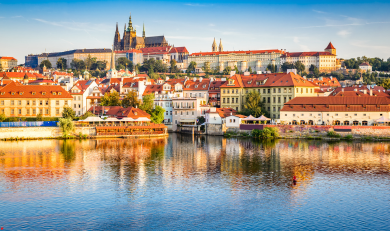
Living in the Czech Republic means adjusting to a society that values practicality, privacy, and competence over display. The Czech Republic is often praised for its safety, affordability, and central European location—and those are real advantages—but long-term life here is shaped by reserved social norms, strong administrative systems, and a culture that expects adults to be self-sufficient. For expats, the country can feel efficient and comfortable, though emotionally understated and socially slow to open.
This guide is designed to help you understand the Czech Republic as a place to live, not just a destination that looks attractive on paper. Whether you are relocating for work, remote income, study, or long-term residence, settling well here depends on understanding how Czech culture approaches rules, relationships, and daily life.
Understanding Daily Life in the Czech Republic
Daily life in the Czech Republic is orderly, pragmatic, and relatively predictable. People value routine, punctuality, and clarity. Appointments generally start on time, instructions are followed closely, and expectations are stated directly. This creates a sense of stability that many expats appreciate after initial adjustment.
Social interaction is reserved. Czechs are polite but not overly expressive, especially with strangers. Small talk is limited, and friendliness tends to grow through familiarity rather than instant warmth. This can initially feel distant, but it reflects a cultural preference for sincerity over performance.
Humor is often dry, ironic, and understated. Compliments are rare, enthusiasm is muted, and emotional restraint is seen as maturity. Trust is built slowly, but once established, relationships are reliable and long-lasting.
There is a strong sense of personal responsibility. People are expected to manage their affairs competently, respect shared rules, and not impose unnecessarily on others. In return, systems are expected to function consistently and fairly.
Residency, Visas, and Bureaucracy
The Czech Republic’s immigration system is formal, documentation-heavy, and rules-based. Residency options exist through employment, business activity, study, family reunification, and EU freedom of movement.
Processes are clearly defined, but navigating them requires patience. Applications often involve multiple appointments, translated documents, and in-person visits. Requirements are enforced strictly, and missing paperwork can cause delays.
Registration with local authorities is essential and unlocks access to healthcare, banking, taxation, and long-term housing. Without proper registration, daily life becomes complicated quickly.
Permanent residency and citizenship are attainable after long-term legal residence, language proficiency, and integration. The Czech system rewards organization, compliance, and persistence rather than speed or flexibility.
Housing and Where You Live
Housing in the Czech Republic is generally affordable by European standards, though prices have risen steadily in major cities, particularly Prague. Most expats rent apartments, often unfurnished or partially furnished.
Apartments are typically functional rather than luxurious. Older buildings are common and may have charm but limited insulation or modern features. Newer developments offer better efficiency but higher rents.
Rental contracts are formal, and tenant rights are clearly defined. Deposits are standard, and leases often run for one year with renewal options. Enforcement is generally consistent, which adds predictability once housing is secured.
Location strongly affects daily life. Living near public transport is important, especially in cities. Many expats prioritize accessibility over space, as commuting efficiency plays a major role in quality of life.
Cost of Living and Financial Reality
The Czech Republic offers a moderate cost of living relative to income, making it attractive to expats. Housing, groceries, and public transport are reasonably priced compared to Western Europe.
Local food and services are affordable, while imported goods and international brands cost more. Dining out is common and reasonably priced, though social life often revolves around cafés, pubs, and informal gatherings rather than restaurants.
Salaries vary by sector. Technology, engineering, and international companies offer competitive pay, while local wages are more modest. Taxes are moderate and transparent, funding public services rather than extensive welfare benefits.
Banking is modern and efficient. Opening accounts requires residency documentation, but digital banking and cashless payments are widely used.
Healthcare and Medical Care
The Czech Republic has a strong public healthcare system that provides universal coverage to residents. Once registered and insured, access to doctors, hospitals, and specialists is reliable and affordable.
Primary care is accessed through general practitioners, who coordinate referrals to specialists. Wait times exist for non-urgent care, but emergency treatment is efficient and high quality.
Private healthcare exists and is often used by expats for convenience or English-language service. Costs are reasonable by international standards and supplement rather than replace public care.
Healthcare standards are generally high, and trust in the system is strong.
Work Culture and Professional Life
Czech work culture values competence, reliability, and clear roles. Hierarchies exist but are usually practical rather than authoritarian. Titles matter less than expertise and performance.
Communication is direct and factual. Feedback is often straightforward, without emotional framing or excessive politeness. This can feel blunt to some expats but is intended to be efficient rather than personal.
Work-life balance is respected more in theory than practice. Working hours are generally reasonable, though expectations vary by industry. Overtime exists but is not culturally celebrated.
Professional relationships are often formal at first. Trust develops over time through consistent performance rather than charisma or networking.
Language and Communication
Czech is the official language and important for long-term integration. While English is widely spoken among younger people and in international workplaces, daily life—including government offices and local services—often requires Czech.
Communication style is concise and literal. People tend to say what they mean without exaggeration. Silence is comfortable, and interruptions are uncommon.
Learning Czech is challenging due to grammar and pronunciation, but even basic effort is appreciated and often changes how locals respond to you.
Relying solely on English limits independence and social integration, particularly outside major cities.
Transportation and Mobility
The Czech Republic has an excellent public transportation system. Trams, buses, and metro systems in cities are reliable, affordable, and widely used.
Intercity trains and buses connect the country efficiently, making regional travel easy. Public transport is often faster and more convenient than driving.
Car ownership exists but is not essential in urban areas. Roads are generally well maintained, though traffic congestion can occur during peak hours.
Walking and cycling are common, particularly in city centers, though infrastructure quality varies by area.
Climate and Seasonal Living
The Czech Republic has four distinct seasons that shape daily routines. Winters are cold and dark, while summers are warm and active.
Seasonal variation is accepted as part of life. Outdoor activity increases in warmer months, while winter encourages indoor routines and social gatherings.
Weather affects mood and planning, but life rarely stops due to climate. People adapt through routine rather than avoidance.
Culture, Values, and Social Norms
Czech culture values modesty, practicality, and independence. Standing out excessively or appearing self-important is discouraged.
Privacy is respected, and personal matters are shared selectively. Friendships take time to develop but are typically stable and loyal once formed.
There is a strong tradition of intellectual independence and skepticism. Authority is respected, but not blindly, and people value critical thinking.
Alcohol, particularly beer, plays a visible role in social life, though this is cultural rather than obligatory.
Safety and Everyday Reality
The Czech Republic is very safe. Violent crime is rare, and public spaces feel secure at all hours.
Cities are lively but orderly. Infrastructure is reliable, and public services function consistently.
Everyday frustrations tend to be bureaucratic rather than safety-related. Paperwork and administrative delays are more common complaints than instability.
Social Life and Integration
Social integration in the Czech Republic takes time. While people are polite and cooperative, friendships are not formed quickly or casually.
Social life often revolves around shared routines—workplaces, hobbies, sports clubs, or local pubs—rather than spontaneous socializing.
The expat community is visible, especially in Prague, and provides immediate social access. Deeper satisfaction often comes from balancing expat networks with local connections.
Consistency and reliability matter more than enthusiasm. Showing up regularly builds trust.
Building a Long-Term Life in the Czech Republic
Living well in the Czech Republic requires patience and acceptance of reserve. Systems work, but they expect personal responsibility.
Expats who thrive are those who value structure, affordability, and quiet stability. Those seeking expressive social environments or rapid integration may struggle.
Over time, routines settle, bureaucracy becomes manageable, and daily life feels comfortable and predictable.
The Czech Republic offers reliability rather than intensity.
Final Thoughts
Living in the Czech Republic is about practicality, independence, and understated confidence. It is a country that values competence over charisma and stability over spectacle.
For expats willing to learn the language, respect personal boundaries, and adapt to a reserved but reliable social culture, the Czech Republic offers safety, affordability, and a deeply livable central European base. This guide provides the framework—but living well here comes from understanding that in Czech life, trust is earned quietly, and consistency matters more than speed.