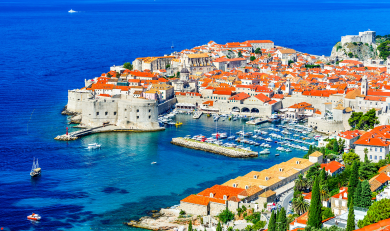
Living in Croatia means adapting to a place where Mediterranean ease, Central European bureaucracy, and strong local identity coexist—sometimes smoothly, sometimes awkwardly. Croatia is often framed as beautiful, relaxed, and affordable, and while those qualities are real, long-term life here is shaped just as much by administration, seasonality, and a social culture that values familiarity and trust over speed or scale. For expats, Croatia can be deeply rewarding, but it requires patience and realistic expectations.
This guide is designed to help you understand Croatia as a place to live, not just a place to visit, sail, or spend summers in. Whether you are relocating for lifestyle, remote work, family reasons, or long-term residence, settling well in Croatia depends on understanding how daily life actually functions beneath the postcard surface.
Understanding Daily Life in Croatia
Daily life in Croatia moves at a moderate pace, but not always in a predictable way. In social life, things feel relaxed and human. In administrative life, things can feel slow, formal, and rigid. Learning to separate these two realities helps reduce frustration.
Time is flexible socially and inflexible bureaucratically. Friends may arrive late and plans may shift, but government offices follow strict hours and procedures. Missing a document or appointment can mean starting over, regardless of how reasonable your explanation might be.
Croatians are generally polite, reserved, and direct once comfortable. Initial interactions may feel formal or distant, especially with strangers, but warmth develops through repeated contact. Trust is built over time rather than through friendliness alone.
There is a strong sense of personal dignity and national pride. Croatia’s recent history shapes attitudes toward authority, fairness, and self-reliance. Respectful behavior and modesty go further than confidence or assertiveness.
Residency, Visas, and Bureaucracy
Croatia’s residency system is structured, documentation-heavy, and increasingly aligned with EU standards. Residency options exist through employment, family reunification, study, business ownership, property ownership, and specific permits for remote workers.
Processes are formal and procedural. Applications require translated documents, proof of income, housing registration, and repeated in-person visits. Rules are clear, but flexibility is limited. Officials are generally polite but bound tightly by regulation.
Timelines can be slow, and progress often depends on persistence rather than escalation. Following instructions precisely matters more than explaining personal circumstances.
Once residency is granted, daily life becomes easier. Access to healthcare, banking, and long-term housing improves significantly. Permanent residency is attainable after continuous legal residence, while citizenship requires long-term commitment, language proficiency, and integration.
Housing and Where You Live
Housing in Croatia varies greatly by region and season. Coastal cities, inland towns, and the capital offer very different experiences and price points.
Most expats rent apartments, often furnished. Quality varies widely. Older buildings may have charm but limited insulation, while newer builds can suffer from poor soundproofing or rushed construction. Asking detailed questions and inspecting carefully is essential.
Rental markets in coastal areas are heavily seasonal. Properties available year-round may be limited, and prices often rise significantly in summer. Inland cities offer more stability and availability.
Leases are usually formal, but enforcement can vary. Clarifying maintenance responsibility, utilities, and notice periods is important. Registering your address with authorities is required and should not be overlooked.
Location strongly affects quality of life. Proximity to services, healthcare, and public transport often matters more than sea views or square footage.
Cost of Living and Financial Reality
Croatia offers a moderate cost of living by European standards, but affordability depends on lifestyle and location. Local food, public transport, and services are reasonably priced, while imported goods and international products are expensive.
Dining out is common and culturally important. Local cafés and restaurants are affordable, while tourist-focused venues charge more. Daily coffee culture plays a central role in social life.
Utilities are moderately priced but can fluctuate, particularly with heating and air conditioning. Internet quality is generally good in cities, though rural coverage varies.
Salaries are modest compared to Western Europe. Many expats rely on foreign income, remote work, or savings. Banking is functional but conservative, and opening accounts requires residency documentation and patience.
Healthcare and Medical Care
Croatia has a public healthcare system that provides universal coverage to residents. Once registered, access to doctors and hospitals is affordable, though wait times exist for non-urgent care.
Public healthcare quality varies by region. Urban centers generally offer better facilities and specialist access than smaller towns.
Private healthcare is widely used by expats for faster access and English-language service. Costs are reasonable by international standards and often supplement public care rather than replace it.
Health insurance is required for residency and strongly recommended for private treatment or during early stages of settlement.
Work Culture and Professional Life
Croatian work culture is hierarchical and formal, particularly in traditional sectors. Authority is respected, and decision-making often flows from senior figures.
Communication is direct but restrained. Feedback may be blunt, but public confrontation is discouraged. Relationships matter, but professionalism is valued over informality.
Working hours vary by industry. Some sectors maintain long hours, while others operate at a slower pace. Flexibility exists, but structure remains important.
Local salaries are low relative to cost of living in major cities. Employment opportunities for foreigners exist but often require Croatian language skills and local networks. Many expats choose self-employment or remote work instead.
Language and Communication
Croatian is the official language and important for long-term integration. While English is widely spoken among younger people and in tourist areas, daily life becomes significantly easier with Croatian proficiency.
Administrative procedures, healthcare interactions, and official documents are primarily in Croatian. Relying solely on English limits independence.
Communication style is direct and literal. People generally say what they mean without excessive politeness or emotional framing. Silence is comfortable, and small talk is limited.
Making an effort to learn Croatian is appreciated and often changes how locals respond to you.
Transportation and Mobility
Croatia has a reliable but uneven transportation system. Cities are served by buses and trams, while intercity travel relies on buses more than trains.
Public transport is affordable and functional, though schedules may be limited outside major cities. Trains exist but are slower and less extensive than in some European countries.
Car ownership is common, particularly outside urban centers. Roads are generally well maintained, though summer traffic along the coast can be heavy.
Ferries connect islands efficiently, but schedules are seasonal and weather-dependent.
Culture, Tradition, and Social Norms
Croatian culture values respect, modesty, and personal boundaries. People are polite but reserved, and trust develops slowly.
Family plays a central role in daily life. Social circles are often long-established, and friendships deepen through consistency rather than quick bonding.
Religion, particularly Catholicism, influences holidays and social rhythms, even among secular individuals.
Appearance and presentation matter in public life. Dressing neatly and behaving respectfully affects how you are perceived, especially in professional or official settings.
Safety and Everyday Reality
Croatia is generally very safe, with low levels of violent crime. Public spaces feel secure, and daily life is calm.
Petty theft occurs occasionally in tourist areas, but it rarely affects expat daily life. Awareness and common sense are usually sufficient.
Infrastructure is stable, and public order is strong. Everyday frustrations tend to be administrative rather than safety-related.
Climate and Seasonal Living
Croatia’s climate varies by region. Coastal areas have hot, dry summers and mild winters, while inland regions experience colder winters and more seasonal contrast.
Seasonality strongly affects daily life, especially along the coast. Summer brings crowds, higher prices, and energy, while winter is quieter and slower.
Expats who live year-round often experience two different versions of the same place. Adjusting expectations seasonally is essential for long-term satisfaction.
Outdoor living is central in warmer months, while winter encourages routine and local community life.
Social Life and Integration
Social life in Croatia is structured and routine-based. Cafés, walks, family gatherings, and small social circles dominate rather than large events.
Expats often find it easy to socialize with other foreigners but slower to integrate locally. Deeper relationships develop through repeated interaction rather than enthusiasm.
Participation in local activities—sports, language classes, neighborhood routines—helps build trust naturally.
Consistency matters more than charisma. Showing up regularly is the key to belonging.
Building a Long-Term Life in Croatia
Living well in Croatia requires patience and adaptability. Systems work, but they expect compliance and personal responsibility.
Expats who thrive are those who value lifestyle, safety, and natural beauty over speed and efficiency. Those who expect quick results or constant convenience may struggle.
Over time, routines form, bureaucracy becomes familiar, and daily life feels comfortable and grounded.
Croatia often grows on people slowly rather than impressing immediately.
Final Thoughts
Living in Croatia is about balance—between formality and warmth, structure and informality, modern life and deep tradition. It is not always easy, but it is rarely overwhelming.
For expats willing to learn the language, respect local norms, and adapt to seasonal rhythms, Croatia offers safety, beauty, and a deeply livable pace of life. This guide provides the framework—but living well here comes from understanding that in Croatia, trust is earned quietly, patience is essential, and belonging comes through presence rather than performance.