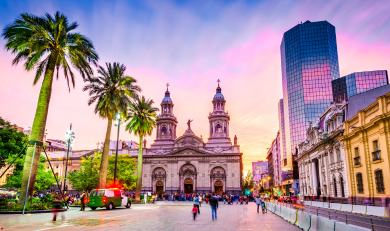
Living in Chile means adapting to a country that combines strong institutions, social formality, and regional diversity with a reserved culture and clear social boundaries. Chile is often described as one of Latin America’s most stable and developed countries—and that reputation is largely deserved—but long-term life here is defined by bureaucracy, class awareness, and a social rhythm that is more restrained than many newcomers expect. For expats, Chile can feel orderly and predictable, yet emotionally distant until trust is built.
This guide is designed to help you understand Chile as a place to live, not just as a safe or efficient destination in the region. Whether you are relocating for work, lifestyle, family, or long-term residence, settling well in Chile depends on understanding how daily life actually functions beneath the surface.
Understanding Daily Life in Chile
Daily life in Chile is structured and relatively formal compared to much of Latin America. Rules matter, procedures are followed, and institutions generally function as intended. This creates predictability, but also a sense that systems are rigid rather than flexible.
Time is respected in professional and administrative contexts. Appointments usually start on time, offices keep defined hours, and delays are less tolerated than in neighboring countries. Socially, however, schedules can be more flexible, and plans may shift closer to the moment.
Chileans are generally polite, reserved, and cautious in initial interactions. Warmth exists, but it develops slowly. Small talk is limited, and relationships deepen through repeated contact rather than immediate friendliness. This can feel distant to expats accustomed to more expressive cultures, but it reflects a strong respect for privacy and boundaries.
Class awareness plays a noticeable role in daily life. Education, accent, and neighborhood subtly influence how people are perceived and treated. Understanding these dynamics helps explain certain social and professional interactions.
Residency, Visas, and Legal Stay
Chile offers several pathways to legal residency, including employment, investment, retirement income, and family ties. The system is formal, documentation-heavy, and increasingly digital, but still requires patience.
Applications involve extensive paperwork, background checks, and follow-up. Timelines can be long, and processes sometimes change mid-application due to regulatory updates. Staying organized and informed is essential.
Once residency is granted, daily life becomes easier. Access to banking, healthcare, utilities, and long-term housing improves significantly. Permanent residency is attainable after meeting time and compliance requirements, and citizenship is possible after long-term residence and integration.
Chile values compliance and procedure. Progress comes through following rules carefully rather than negotiating exceptions.
Housing and Where You Live
Housing in Chile varies widely by city, neighborhood, and income level. Expats typically rent apartments, especially in urban areas, with quality ranging from modern high-rises to older buildings with limited insulation.
Leases are formal and contracts are standard. Deposits are required, and landlords often request proof of income or residency status. Enforcement is generally consistent, which adds predictability once housing is secured.
Construction quality varies. Newer buildings may offer modern amenities but can have issues with soundproofing, while older buildings may be sturdier but less energy efficient. Visiting properties carefully and asking detailed questions is important.
Location strongly affects quality of life. Traffic congestion is significant in major cities, and commuting can dominate daily routine. Choosing housing close to work, schools, or public transport greatly improves day-to-day comfort.
Cost of Living and Financial Reality
Chile has a higher cost of living than many expats expect, particularly in major cities. Housing, healthcare, education, and dining out can be expensive relative to local salaries.
Local food and basic services are reasonably priced, while imported goods and international brands are costly. Many expats manage expenses by blending local habits with selective international comforts.
Utilities are reliable but can be expensive, particularly electricity. Internet quality is generally good in urban areas and sufficient for remote work.
Banking is modern and well regulated. Opening accounts requires residency documentation and patience, but once established, services are efficient and widely digital.
Healthcare and Medical Care
Chile has one of the strongest healthcare systems in Latin America, with both public and private options. The public system provides broad coverage but can involve long wait times for non-urgent care.
Most expats rely on private healthcare, which is high quality and relatively affordable by international standards. Private hospitals and clinics are modern, well equipped, and staffed by highly trained professionals.
Health insurance is strongly recommended and often required for residency. Coverage options vary, and understanding the system takes time, but access to care is generally reliable once enrolled.
Specialized care is widely available in major cities, though rural areas may require travel for advanced treatment.
Work Culture and Professional Life
Chilean work culture is hierarchical and formal. Authority is respected, and decision-making often flows from senior leadership. Titles, education, and institutional affiliation matter.
Communication is polite and indirect in sensitive situations. Open confrontation is discouraged, especially in professional environments. Feedback is often delivered cautiously, and reading between the lines is an important skill.
Working hours can be long, particularly in corporate or traditional sectors. Work-life balance exists in theory but varies significantly by industry and employer.
Local salaries are modest relative to cost of living, which leads many expats to work remotely or rely on foreign income. Employment opportunities for foreigners exist but are regulated and often require Spanish proficiency and local credentials.
Language and Communication
Spanish is essential for long-term living in Chile. While some English is spoken in international companies and expat-heavy areas, daily life—including healthcare, government offices, and utilities—requires Spanish.
Chilean Spanish is fast, idiomatic, and heavily abbreviated, which can be challenging even for fluent Spanish speakers. Understanding improves with time and exposure rather than formal study alone.
Communication style is polite but reserved. Emotional expression is generally controlled, and public displays of frustration are discouraged.
Making an effort to speak Spanish—and accepting the learning curve—is critical for integration and smoother daily interactions.
Transportation and Mobility
Transportation in Chile varies by city. Major urban centers have buses, metro systems, and taxis, while smaller towns rely on buses and shared transport.
Traffic congestion is a major issue in large cities. Commute times can be long, making location choice one of the most important lifestyle decisions.
Driving is common but requires confidence and awareness. Road infrastructure is generally good, though urban driving can be stressful.
Domestic flights connect regions efficiently, which is important given Chile’s long geography. Intercity buses are also reliable and widely used.
Culture, Etiquette, and Social Norms
Chilean culture values respect, discretion, and formality. Greetings matter, titles are used, and politeness is expected in all interactions.
Religion, particularly Catholicism, has historically shaped social norms, though daily religious practice varies widely.
Appearance and presentation matter, especially in professional or official settings. Dressing neatly influences how you are perceived.
Hospitality exists, but social circles are often established early in life. Integration happens through consistency rather than quick bonding.
Safety and Everyday Reality
Chile is generally safe, particularly by regional standards. Violent crime is relatively low, and public spaces feel orderly.
Petty theft occurs in urban areas, and situational awareness is necessary. Choosing neighborhoods carefully and following local advice reduces risk significantly.
Political demonstrations occur periodically and are usually peaceful but can disrupt transportation. Staying informed helps avoid inconvenience.
Natural risks such as earthquakes are part of life, and preparedness is widely accepted as normal.
Regional Differences and Lifestyle Choice
Chile is extremely diverse geographically. Climate, culture, and pace vary dramatically between regions, often more than expats expect.
Major cities offer infrastructure and opportunity but come with congestion and cost. Smaller cities and southern regions provide slower pace and natural beauty with fewer services.
Choosing the right region is one of the most important decisions expats make. Climate tolerance, healthcare access, and lifestyle priorities should guide location choice.
Social Life and Integration
Chile has a visible expat community, particularly in major cities. Social life within these circles is accessible and often active.
Deeper integration with locals takes time and language effort. Relationships develop gradually and often remain compartmentalized between work, family, and friendships.
Participating in structured activities—classes, sports, or professional groups—helps build connections more effectively than casual socializing.
Trust is built slowly but tends to be stable once established.
Climate and Lifestyle Adjustment
Chile’s climate varies by region, from desert in the north to temperate forests in the south. Seasonal differences affect daily routines and energy levels.
Weather influences housing needs, clothing, and transportation. Adjusting expectations around heating, insulation, and seasonal rhythms is important.
Outdoor life is valued, but infrastructure does not always align perfectly with climate realities.
Building a Long-Term Life in Chile
Living well in Chile requires patience, organization, and cultural awareness. Systems work, but they expect compliance and formality.
Expats who thrive are those who respect structure, learn Spanish, and accept reserved social norms. Those who expect warmth or flexibility immediately may feel isolated.
Over time, routines settle, relationships deepen, and daily life becomes predictable and manageable.
Chile often feels more comfortable after the first year than during initial arrival.
Final Thoughts
Living in Chile is about stability, structure, and gradual belonging. It offers institutional reliability, safety, and long-term potential, but it demands patience and cultural adjustment.
For expats willing to learn the language, respect formality, and navigate bureaucracy carefully, Chile provides a grounded, dependable way of life in South America. This guide provides the framework—but living well here comes from understanding that in Chile, trust is earned slowly, rules matter, and belonging grows through consistency rather than speed.