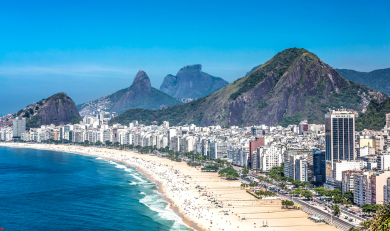
Living in Brazil means adapting to a country where relationships, emotion, and improvisation shape daily life as much as formal rules do. Brazil is often portrayed as joyful, chaotic, and endlessly social—and while those images contain truth—long-term life here is defined by contrast: warmth alongside inequality, flexibility alongside bureaucracy, and deep human connection alongside structural inefficiency. For expats, Brazil can feel intoxicating at first and demanding over time, especially without realistic expectations.
This guide is designed to help you understand Brazil as a place to live, not just a place to fall in love with briefly. Whether you are relocating for work, lifestyle, family, or long-term residence, settling well in Brazil depends on understanding how daily life actually functions beneath the energy.
Understanding Daily Life in Brazil
Daily life in Brazil is relationship-driven and emotionally expressive. Interactions are warm, personal, and often informal. Greetings matter, tone matters, and taking time to connect socially is expected before moving into tasks or requests.
Time is flexible. Appointments may start late, plans change easily, and follow-ups are often necessary. This is not generally considered rude or unprofessional—it reflects a cultural preference for people over schedules. Expats who try to impose rigid timelines often experience frustration, while those who adapt tend to navigate life more smoothly.
Brazilians are expressive and conversational. Small talk is not optional; it is how trust is built. Direct confrontation is usually avoided, especially in public. Disagreement is often softened or delayed to preserve harmony.
There is also a strong sense of adaptability. Many Brazilians are accustomed to navigating uncertainty, which shapes a culture of improvisation and resilience rather than strict rule-following.
Residency, Visas, and Legal Stay
Brazil offers several pathways to legal residency, including employment, family reunification, retirement income, investment, and long-term residence. The system is formal and bureaucratic, but not inaccessible.
Applications involve extensive documentation, translations, background checks, and in-person appointments. Processes can be slow, and requirements may change without much notice. Persistence and organization are essential.
Once residency is granted, daily life becomes significantly easier. Access to banking, healthcare, mobile services, and long-term housing improves. Permanent residency is attainable after meeting time requirements, and citizenship is possible after long-term residence and language proficiency.
Brazilian bureaucracy rewards patience more than pressure. Progress often comes through steady follow-up rather than escalation.
Housing and Where You Live
Housing in Brazil varies dramatically by city, neighborhood, and income level. Urban centers offer everything from luxury high-rises to older apartment buildings with limited maintenance.
Most expats rent apartments, often unfurnished or semi-furnished. Building quality varies widely. Newer buildings may offer security and amenities, while older properties may have charm but require tolerance for noise, humidity, or outdated infrastructure.
Leases are generally formal, and deposits are required. Contracts are typically in Portuguese, and understanding terms around maintenance, utilities, and notice periods is important.
Location has a major impact on quality of life. Proximity to work, safety, traffic patterns, and daily services often matters more than size or price. Choosing the right neighborhood is one of the most important decisions expats make.
Cost of Living and Financial Reality
Brazil’s cost of living is highly variable. Some aspects of daily life are affordable, while others—particularly imported goods, electronics, and private services—are expensive.
Local food, transportation, and domestic services are reasonably priced. Dining out is common and culturally central, though prices vary widely by city and neighborhood.
Utilities can be costly, especially electricity due to air conditioning use. Internet quality is generally good in urban areas but less reliable in smaller towns.
Salaries vary significantly by sector and region. Many expats rely on foreign income, remote work, or international employers. Banking is modern but bureaucratic, and opening accounts requires residency documentation and patience.
Healthcare and Medical Care
Brazil has both public and private healthcare systems. The public system provides universal coverage and emergency care, but quality and wait times vary widely by region.
Most expats rely on private healthcare. Private hospitals and clinics are modern, well equipped, and staffed by highly trained professionals. Costs are reasonable by international standards, especially with insurance.
Health insurance is strongly recommended. While routine care can be affordable out of pocket, hospitalization or specialized treatment can be expensive without coverage.
Major cities offer excellent healthcare access, while smaller towns may require travel for specialized services.
Work Culture and Professional Life
Brazilian work culture is hierarchical and relationship-oriented. Authority is respected, but personal rapport often influences outcomes more than formal titles alone.
Communication is expressive and indirect in sensitive situations. Saying “yes” may signal politeness rather than commitment. Reading between the lines and following up is essential.
Working hours vary by sector. Some industries maintain long hours, while others prioritize flexibility. Boundaries between work and personal life can blur, especially in relationship-driven environments.
Local salaries are modest relative to cost of living in major cities. Employment opportunities for foreigners exist but are regulated and usually require Portuguese proficiency. Many expats work remotely or in multinational companies.
Language and Communication
Portuguese is essential for long-term living in Brazil. While some English is spoken in international business environments, daily life—including healthcare, government offices, and services—requires Portuguese.
Brazilian Portuguese is expressive and informal, with regional variations. Communication style emphasizes warmth and emotion rather than precision alone.
Making an effort to speak Portuguese dramatically improves daily interactions and social integration. Brazilians are generally patient and encouraging with learners.
Relying solely on English limits independence and deep connection.
Transportation and Mobility
Transportation in Brazil varies by city. Large cities rely on buses, metro systems, and ride-hailing services, while smaller towns depend on buses and private vehicles.
Traffic congestion is a major issue in urban areas. Commute times can be long, making location choice critical.
Driving is common but requires confidence. Road conditions and enforcement vary, and defensive driving is advisable.
Domestic flights are widely used due to Brazil’s size, making intercity travel relatively accessible despite long distances.
Culture, Etiquette, and Social Norms
Brazilian culture values warmth, openness, and social connection. Physical closeness, expressive conversation, and hospitality are common.
Family plays a central role in daily life. Social plans often revolve around family gatherings, meals, and celebrations.
Religion, particularly Catholicism and Evangelical Christianity, influences social norms and holidays, even among secular individuals.
Appearance matters. Dressing neatly and taking care with presentation affects how you are perceived, especially in professional or social settings.
Safety and Everyday Reality
Safety in Brazil varies significantly by location. Some areas are calm and secure, while others require caution and local knowledge.
Petty theft is common in urban areas, and situational awareness is essential. Violent crime exists but is unevenly distributed and often avoidable with careful behavior and location choice.
Following local advice, choosing housing carefully, and adapting routines significantly reduces risk. Most expats live normal daily lives without incident once settled.
Political life can be noisy but rarely affects expat daily routines directly.
Regional Differences and Lifestyle Choice
Brazil is enormous and deeply diverse. Climate, culture, and pace vary dramatically between regions.
Large cities offer opportunity and services but come with congestion and cost. Coastal areas provide lifestyle appeal but may lack infrastructure year-round. Smaller cities offer affordability and community with fewer international conveniences.
Choosing the right region is critical. Climate tolerance, healthcare access, safety, and lifestyle preferences should guide decisions.
There is no single “Brazil experience”—each region feels like a different country.
Social Life and Integration
Brazil is socially open, and expats often find it easy to meet people. Casual conversation, invitations, and social interaction are common.
However, deeper friendships take time. Social warmth does not always translate into long-term commitment. Consistency and presence are required to build trust.
The expat community is large in major cities and provides immediate social access. Long-term satisfaction often comes from balancing expat networks with local integration.
Participating in local routines—classes, sports, neighborhood life—helps build meaningful connections.
Climate and Lifestyle Adjustment
Brazil’s climate varies widely. Many regions are hot and humid year-round, while others experience mild seasons.
Weather affects energy levels, clothing, housing needs, and daily routines. Adapting to heat, rain, and humidity is part of life.
Outdoor living is central, but infrastructure does not always align with climate realities. Adjusting expectations improves comfort.
Building a Long-Term Life in Brazil
Living well in Brazil requires adaptability, emotional intelligence, and patience. Systems function, but relationships drive outcomes.
Expats who thrive are those who learn Portuguese, accept flexibility, and engage socially without rushing. Those who expect efficiency or predictability may struggle.
Over time, routines settle, social networks deepen, and Brazil begins to feel navigable rather than overwhelming.
Brazil often rewards those who stay curious rather than controlling.
Final Thoughts
Living in Brazil is about contrast—between joy and frustration, warmth and complexity, freedom and limitation. It offers deep human connection, cultural richness, and energy, but it demands adaptability and resilience.
For expats willing to learn the language, respect local rhythms, and accept inconsistency as part of the system, Brazil provides a vibrant, emotionally rich way of life unlike almost anywhere else. This guide provides the framework—but living well here comes from understanding that in Brazil, relationships come first, flexibility is survival, and belonging grows through presence rather than precision.