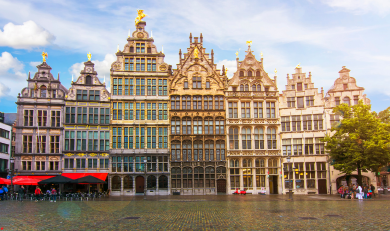
Living in Belgium means adapting to a country where compromise, structure, and quiet pragmatism shape daily life. Belgium is often portrayed as complex—linguistically, politically, administratively—and that reputation is earned. Yet beneath the layers is a highly livable country with strong institutions, reliable public services, and a social culture that values balance, privacy, and understatement. For expats, Belgium can feel confusing at first, but steadily comfortable once routines are established.
This guide is designed to help you understand Belgium as a place to live, not just a transit hub or EU headquarters. Whether you are relocating for work, family, study, or long-term residence, settling well in Belgium depends on understanding how its systems, social norms, and regional differences intersect.
Understanding Daily Life in Belgium
Daily life in Belgium is orderly and methodical, but rarely rushed. People value predictability, planning, and moderation. Appointments are respected, processes are followed, and expectations are usually clear—though not always fast.
Belgians are polite but reserved. Friendliness exists, but it is understated and rarely effusive. Small talk is limited, especially with strangers, and people tend to keep personal and professional lives clearly separated. This can initially feel distant to expats from more expressive cultures, but it reflects a strong respect for privacy rather than coldness.
Communication is generally indirect and careful. Open confrontation is avoided, and disagreement is often expressed subtly. Compromise is culturally valued, and people prefer solutions that preserve harmony rather than assert dominance.
There is also a strong sense of personal autonomy. Individuals are expected to manage their own affairs competently, respect shared rules, and not intrude unnecessarily into others’ space.
Residency, Visas, and Bureaucracy
Belgium’s residency system is formal, rules-based, and documentation-heavy. Residency options exist through employment, study, family reunification, self-employment, and EU freedom of movement.
Administrative processes are thorough and sometimes slow. Applications involve multiple steps, official registrations, and in-person appointments. Requirements are clearly defined, but navigating them requires patience and organization.
Registering with your local municipality is essential and underpins access to healthcare, banking, taxation, and social services. Delays in registration can affect many aspects of daily life.
Permanent residency and citizenship are attainable after long-term legal residence, language proficiency, and integration. Belgium rewards compliance and consistency rather than speed.
Housing and Where You Live
Housing in Belgium is generally good quality and well regulated. Most expats rent apartments or houses, often unfurnished. Properties tend to be solidly built, with good insulation and durability.
Rental contracts are formal, and tenant protections are strong. Deposits are standard, and leases are typically long-term. Finding housing in major cities can be competitive, but less intense than in some neighboring countries.
Older buildings are common and often well maintained, though layouts can be traditional. Newer developments offer modern amenities but may come at a premium.
Location plays a major role in daily life. Proximity to work, schools, and public transport matters more than size alone. Many expats choose suburban or commuter towns to balance cost, space, and convenience.
Cost of Living and Financial Reality
Belgium has a high cost of living, particularly for housing, taxes, and services. Prices vary by region, with major cities generally more expensive.
Groceries and basic services are reasonably priced by Western European standards. Dining out is common but can be costly, especially in city centers.
Salaries are solid across many sectors, but taxes are high. Income tax and social contributions fund healthcare, education, infrastructure, and social security. Understanding net income rather than gross salary is essential.
Banking is modern and reliable. Opening accounts requires residency documentation, and digital banking is widely used.
Healthcare and Social Security
Belgium has one of the strongest healthcare systems in Europe. Healthcare is based on mandatory insurance, combining public oversight with private service delivery.
Once registered, access to doctors, hospitals, and specialists is broad and efficient. Patients often pay upfront and are reimbursed partially through insurance.
Quality of care is high, and waiting times are generally reasonable. Private healthcare exists but mainly supplements the public system rather than replacing it.
Belgium’s broader social security system is extensive, covering unemployment, illness, disability, and pensions. This contributes to long-term stability and reduces personal risk.
Work Culture and Professional Life
Belgian work culture values balance, reliability, and discretion. Hierarchies exist but are generally understated. Titles matter less than competence and experience.
Communication at work is careful and diplomatic. Direct criticism is often softened, and consensus-building is common. Meetings can be thorough, sometimes slow, but aim for durable decisions.
Work-life balance is taken seriously. Working hours are generally respected, overtime is regulated, and vacation time is used fully. Personal time is considered legitimate and important.
Professional credibility comes from consistency, preparation, and follow-through rather than assertiveness or self-promotion.
Language and Communication
Belgium is linguistically complex. Dutch, French, and German are official languages, depending on region. English is widely spoken in professional and international environments, especially in Brussels.
Daily life language requirements depend heavily on where you live. While English may suffice at work, dealing with local administration, healthcare, or schools often requires the regional language.
Communication style is restrained and nuanced. People tend to avoid extremes, whether emotional or ideological. Humor is often dry and understated.
Making an effort to learn the local language—even imperfectly—is appreciated and improves integration significantly.
Transportation and Mobility
Belgium has an excellent transportation network. Trains, trams, buses, and metro systems are reliable and widely used.
Intercity travel is efficient, making commuting between cities common. Many people live in one city and work in another.
Car ownership exists but is not essential in urban areas. Traffic congestion can be significant during peak hours, and parking can be expensive.
Cycling is increasingly common, supported by expanding infrastructure, though it is more prominent in some regions than others.
Climate and Seasonal Living
Belgium has a temperate climate with mild summers and cool, damp winters. Weather is changeable, and gray days are common.
Seasonal variation affects mood and routines, but extremes are rare. Outdoor life increases in summer, while winter encourages indoor routines and planning.
Weather is accepted rather than resisted. Complaining about rain is common, but daily life continues regardless.
Culture, Values, and Social Norms
Belgian culture values moderation, discretion, and compromise. Standing out excessively or expressing extreme opinions is often discouraged.
Privacy is important. People are polite but careful not to intrude. Friendships develop slowly and are often long-lasting once established.
Food and drink play a central role in social life. Meals, cafés, and shared time are valued more than formal entertainment.
Civic responsibility is strong. Rules are followed because they are seen as reasonable and socially beneficial.
Safety and Everyday Reality
Belgium is generally very safe. Violent crime is rare, and public spaces feel secure.
Infrastructure is reliable, utilities function consistently, and emergency services respond effectively.
Everyday frustrations tend to be administrative rather than safety-related—paperwork, taxes, and layered governance are common complaints.
Social Life and Integration
Social integration in Belgium takes time. While people are courteous, friendships are not formed quickly or casually.
Social life often revolves around established circles—work, family, long-term friends—rather than spontaneous interaction.
The expat community is large, particularly in Brussels, providing easy social access. Long-term satisfaction often comes from balancing expat networks with local engagement.
Participation in clubs, sports, or community activities helps build deeper connections over time.
Regional Differences and Lifestyle Choice
Belgium is small but diverse. Lifestyle, language, and cultural tone vary noticeably by region.
Urban centers offer international exposure and opportunity, while smaller towns provide calm and stability. Choosing where to live affects daily life more than expats often expect.
Understanding regional identity helps avoid misunderstandings and improves integration.
Building a Long-Term Life in Belgium
Living well in Belgium requires patience, organization, and acceptance of complexity. Systems work, but they are layered and procedural.
Expats who thrive are those who value stability, balance, and long-term planning. Those seeking simplicity or speed may find the system frustrating at first.
Over time, routines settle, bureaucracy becomes manageable, and daily life feels reliable and calm.
Belgium often grows on people slowly rather than impressing immediately.
Final Thoughts
Living in Belgium is about quiet stability, compromise, and consistency. It is a country that prioritizes function over flair and balance over extremes.
For expats willing to navigate complexity, learn the local language, and respect subtle social norms, Belgium offers safety, strong public services, and a dependable quality of life in the heart of Europe. This guide provides the framework—but living well here comes from understanding that in Belgium, moderation is strength, patience is necessary, and belonging is built gradually through reliability rather than display.