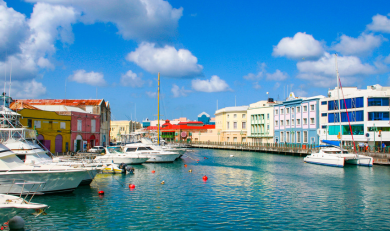
Living in Barbados means adapting to an island where rhythm, reputation, and personal connection shape daily life as much as formal systems do. Barbados is often marketed as relaxed, friendly, and idyllic—and while those qualities exist—they sit alongside high costs, limited scale, and a culture that values respect and continuity over speed or disruption. For expats, Barbados can feel immediately welcoming yet subtly structured, especially for those planning to stay long term.
This guide is designed to help you understand Barbados as a place to live, not just a holiday destination or short-term tropical escape. Whether you are relocating for lifestyle, remote work, retirement, or long-term residence, settling well in Barbados depends on understanding how everyday life really functions on a small, tightly connected island.
Understanding Daily Life in Barbados
Daily life in Barbados moves at a calm, steady pace. Urgency is rare, and patience is an essential skill. Appointments may start late, processes can take time, and follow-up is often required. This is not usually seen as inefficiency, but as part of a social culture that prioritizes courtesy and human interaction over deadlines.
Barbadians—often called Bajans—are generally polite, friendly, and reserved rather than overly expressive. Courtesy matters deeply. Greetings are important, tone matters, and showing respect in everyday interactions goes a long way. Direct confrontation is discouraged, and public displays of frustration are poorly received.
There is also a strong sense of order beneath the relaxed exterior. Barbados values rules, traditions, and social norms. While things may move slowly, they are rarely chaotic. Institutions function, but they do so at an island pace and within clearly understood social boundaries.
Because Barbados is small, social visibility is high. People remember interactions, and reputation matters. Consistency, politeness, and discretion shape how smoothly daily life unfolds.
Residency, Visas, and Legal Stay
Barbados offers several pathways for legal long-term stay, including work permits, residency through employment or investment, and special visas for remote workers and retirees.
Processes are structured but paperwork-heavy. Applications require documentation, proof of income, health coverage, and background checks. Timelines can vary, and patience is essential.
Once legal status is secured, life becomes significantly easier. Access to banking, long-term housing, utilities, and healthcare improves. Permanent residency is possible after long-term lawful residence, though citizenship is more limited and typically requires strong ties.
Barbados values compliance and clarity. Following procedures carefully and maintaining legal status is important, as flexibility is limited once rules are established.
Housing and Where You Live
Housing in Barbados is diverse but expensive relative to regional standards. Most expats rent apartments or houses, often furnished, with prices varying significantly by location and proximity to the coast.
Coastal and west-coast areas command premium prices, while inland and eastern regions offer more affordability at the cost of convenience and amenities. Quality varies widely. Some properties are modern and well maintained, while others may struggle with humidity, aging infrastructure, or inconsistent maintenance.
Leases are generally formal, and deposits are standard. Clarifying responsibilities for utilities, maintenance, and repairs upfront is essential. Power outages and water interruptions can occur, particularly during storms or peak demand.
Location strongly affects lifestyle. Proximity to work, schools, healthcare, and daily services often matters more than scenery alone. Traffic congestion can be significant during peak hours, despite short distances.
Cost of Living and Financial Reality
Barbados has a high cost of living, particularly for housing, food, utilities, and transportation. Many goods are imported, which drives prices up significantly.
Local food and produce are more affordable when sourced domestically, while imported groceries, alcohol, and household items can be expensive. Dining out is common but costly, especially in tourist-focused areas.
Utilities—especially electricity—are expensive. Air conditioning use, water management, and backup power solutions are common considerations for expats.
Salaries are modest by international standards. Many expats rely on foreign income, remote work, pensions, or savings. Banking is stable but conservative, and opening accounts requires proper residency documentation.
Healthcare and Medical Care
Barbados has both public and private healthcare systems. The public system provides basic care to residents and is affordable, though wait times exist for non-urgent treatment.
Most expats rely on private healthcare for convenience and speed. Private clinics and hospitals are generally well equipped, with English-speaking doctors and acceptable standards of care.
Health insurance is strongly recommended, especially for private treatment or serious illness. While routine care is manageable, complex procedures may require travel abroad.
Emergency care is reliable, but access to specialized services is limited by the island’s size.
Work Culture and Professional Life
Work culture in Barbados is formal, hierarchical, and relationship-oriented. Authority is respected, and professionalism is valued.
Communication is polite and indirect. Disagreement is often expressed subtly, and maintaining harmony is important. Pushing aggressively or publicly challenging authority is generally counterproductive.
Working hours vary by sector, but punctuality and appearance matter. Dress codes tend to be more formal than expats expect in a tropical setting, particularly in offices and official environments.
Local employment opportunities for foreigners are limited and regulated. Many expats work remotely, consult independently, or run small businesses rather than entering the local job market.
Language and Communication
English is the official language, which makes daily life accessible for many expats. However, local dialect and rhythm can take time to understand.
Communication style is polite, measured, and respectful. Tone matters as much as words. Loudness, impatience, or sarcasm are often poorly received.
Small talk and greetings are important social lubricants. Taking time to acknowledge people before making requests improves interactions significantly.
Despite English fluency, cultural communication norms still require adjustment for long-term comfort.
Transportation and Mobility
Barbados is car-dependent. While buses and minibuses are widely used and inexpensive, most expats prefer driving for flexibility and comfort.
Driving is on the left, and road conditions vary. Roads can be narrow, winding, and poorly lit in places. Defensive driving is recommended.
Traffic congestion can be significant during peak hours, especially around Bridgetown and major commuter routes.
Distances are short, but travel time can still be unpredictable due to traffic and road layout.
Culture, Values, and Social Norms
Barbadian culture values respect, dignity, and good manners. People are friendly but not intrusive, and boundaries are generally clear.
Religion, particularly Christianity, plays a visible role in social life and holidays, even among secular residents.
Dress and presentation matter. Casual does not mean careless, and neat appearance influences how you are perceived in public and professional settings.
Community is important, but social circles are often established early in life. Integration happens gradually through consistency rather than instant familiarity.
Safety and Everyday Reality
Barbados is generally safe, with low levels of violent crime. Petty theft occurs, particularly in tourist areas, but everyday life feels secure.
Public order is stable, and political life rarely affects daily routines. Emergency services are functional, though response times can vary.
Natural risks include hurricanes and storms, which require preparedness and planning during certain seasons.
Climate and Lifestyle Adjustment
Barbados has a tropical climate with warm temperatures year-round. Heat and humidity shape daily routines, energy levels, and housing needs.
Seasonal weather patterns affect daily life, with wetter months bringing heavier rain and occasional storms.
Outdoor living is central, but managing heat, sun exposure, and humidity becomes part of daily life rather than a novelty.
Adapting to climate realities—rather than resisting them—improves long-term comfort significantly.
Social Life and Integration
Social life in Barbados is active but structured. Community events, family gatherings, and social traditions play a central role.
The expat community is visible and welcoming, particularly among remote workers and retirees. Social access is relatively easy within these circles.
Deeper integration with locals takes time. Trust builds through repeated interaction, respect for local norms, and genuine engagement rather than enthusiasm alone.
Because the island is small, social and professional circles often overlap. Discretion and consistency matter.
Building a Long-Term Life in Barbados
Living well in Barbados requires patience, cultural awareness, and financial planning. Island life is rewarding, but it is not effortless.
Expats who thrive are those who value climate, community, and stability over speed and variety. Those who expect constant novelty or low costs often struggle.
Over time, routines settle, relationships form, and the island begins to feel familiar rather than limiting.
Barbados rewards those who slow down enough to belong.
Final Thoughts
Living in Barbados is about balance—between ease and structure, warmth and reserve, beauty and limitation. It offers safety, climate, and a strong sense of place, but it asks for patience and respect in return.
For expats willing to adapt expectations, engage politely, and plan realistically, Barbados provides a calm, dignified, and deeply livable island life. This guide provides the framework—but living well here comes from understanding that in Barbados, respect travels faster than urgency, reputation matters, and belonging grows through consistency rather than speed.