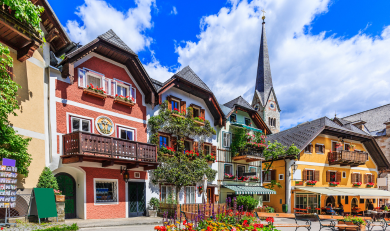
Living in Austria means adapting to a society built on order, formality, and a strong belief that systems should work quietly and predictably. Austria often appears refined, safe, and culturally rich—and it is—but long-term life here is shaped less by spectacle and more by rules, routines, and a clear separation between public order and private life. For expats, Austria can feel deeply stable and comfortable, though sometimes reserved and procedurally demanding.
This guide is designed to help you understand Austria as a place to live, not just a postcard of mountains, music, and historic cities. Whether you are relocating for work, study, family, or long-term residence, settling well in Austria depends on understanding how its systems, social norms, and expectations operate beneath the surface.
Understanding Daily Life in Austria
Daily life in Austria is structured, punctual, and predictable. Schedules are respected, appointments start on time, and rules are followed carefully. This creates a strong sense of reliability that many expats find reassuring, particularly after initial adjustment.
Social interaction is polite but formal. Austrians tend to be reserved with strangers and cautious about familiarity. Small talk exists, but it is limited and often situational. Warmth develops gradually through repeated contact rather than immediate friendliness.
There is a clear distinction between public and private life. Professional behavior is formal, and personal matters are kept discreet. Emotional restraint is considered a sign of maturity and good manners rather than coldness.
Respect for order runs deep. From noise regulations to recycling rules, shared norms are taken seriously. Following them is seen as a civic responsibility rather than an inconvenience.
Residency, Visas, and Bureaucracy
Austria’s immigration system is rules-based, detailed, and documentation-heavy. Residency options exist through employment, study, family reunification, self-employment, and EU freedom of movement.
Processes are clearly defined but often slow. Applications require precise documentation, proof of income, housing registration, and health insurance. Missing paperwork can result in delays or the need to restart steps.
Registering your address shortly after arrival is mandatory and underpins access to healthcare, banking, taxation, and most public services. Austria’s bureaucracy values accuracy over flexibility.
Permanent residency and citizenship are attainable after long-term legal residence, language proficiency, and integration. Austria rewards patience, compliance, and long-term commitment rather than speed.
Housing and Where You Live
Housing in Austria is generally high quality, solidly built, and well regulated. Most expats rent apartments, often unfurnished, with durable construction and good insulation.
Apartments tend to be practical rather than decorative. Layouts are efficient, buildings are well maintained, and soundproofing is usually good. Older buildings are common and often offer generous space, while newer developments focus on energy efficiency.
Rental contracts are formal, and tenant protections are strong. Deposits are standard, and long-term stability is common once housing is secured. Finding housing in major cities can be competitive, but less volatile than in some European capitals.
Location plays a major role in lifestyle. Proximity to public transport, workplaces, and daily services often matters more than apartment size. Many expats choose suburban or commuter towns for balance and affordability.
Cost of Living and Financial Reality
Austria has a high cost of living, particularly for housing, utilities, and services in major cities. Prices are generally predictable, but rarely cheap.
Groceries and public transport are reasonably priced by Western European standards, while dining out and entertainment can add up quickly. Imported goods and specialty items are expensive.
Salaries are solid across many sectors, and income inequality is relatively low. Taxes are high but transparent, funding healthcare, education, infrastructure, and social security.
Understanding net income rather than gross salary is essential. Austria’s social contributions significantly affect take-home pay, but they also provide long-term stability and protection.
Healthcare and Social Security
Austria has a comprehensive public healthcare system with mandatory insurance coverage. Once registered, residents have access to doctors, hospitals, and specialist care at low cost.
Healthcare quality is high, facilities are modern, and medical professionals are well trained. Primary care doctors coordinate referrals, and wait times are generally reasonable.
Private healthcare exists but plays a supplementary role rather than replacing the public system. Most residents rely primarily on public healthcare.
Austria’s broader social security system is extensive, covering unemployment, illness, disability, and pensions. This contributes to a strong sense of long-term security.
Work Culture and Professional Life
Austrian work culture values precision, reliability, and professionalism. Hierarchies exist and are respected, particularly in traditional sectors.
Communication is direct but formal. Feedback is often clear and factual, delivered without emotional framing. Politeness matters, but clarity matters more.
Work-life balance is taken seriously. Working hours are generally respected, overtime is regulated, and vacation time is used fully. Personal time is considered legitimate and protected.
Professional credibility comes from competence, qualifications, and consistency rather than charisma or self-promotion.
Language and Communication
German is the official language and essential for long-term integration. While English is widely spoken in international environments and among younger people, daily life functions primarily in German.
Administrative processes, healthcare interactions, and official documents are conducted in German. Relying solely on English limits independence.
Communication style is formal and precise. Titles and surnames are often used in professional contexts, and switching to first names usually happens by mutual agreement.
Learning German significantly improves daily life and social integration. Effort is appreciated, even if fluency takes time.
Transportation and Mobility
Austria has an excellent public transportation system. Trains, trams, buses, and metro systems are reliable, clean, and widely used.
Intercity rail connects the country efficiently, making regional travel easy. Public transport is often faster and more convenient than driving.
Car ownership exists but is not essential in urban areas. Parking regulations are strict, and driving culture emphasizes rule compliance.
Cycling and walking are common, supported by strong infrastructure in many cities.
Climate and Seasonal Living
Austria has four distinct seasons that shape daily routines. Winters are cold, particularly in alpine regions, while summers are warm and active.
Seasonal variation is embraced rather than avoided. Outdoor life increases in warmer months, while winter encourages routine, indoor activities, and cultural life.
Weather influences housing needs, clothing, and transportation planning. Preparing for seasonal change is part of daily life rather than an inconvenience.
Culture, Values, and Social Norms
Austrian culture values order, discretion, and quality. Standing out unnecessarily or breaking norms is generally discouraged.
Privacy is important. People are polite but careful not to intrude. Friendships develop slowly and tend to be stable and reliable once formed.
There is a strong appreciation for culture, craftsmanship, and tradition. Music, art, and local customs are woven into everyday life rather than treated as entertainment alone.
Civic responsibility is taken seriously. Rules are followed because they are seen as reasonable and socially beneficial.
Safety and Everyday Reality
Austria is one of the safest countries in the world. Violent crime is rare, and public spaces feel secure at all hours.
Infrastructure is reliable, utilities function consistently, and emergency services are effective.
Everyday frustrations tend to be administrative rather than safety-related. Paperwork and formal procedures are more common complaints than instability or risk.
Social Life and Integration
Social integration in Austria takes time. While people are courteous, friendships are not formed quickly or casually.
Social life often revolves around established circles—work, family, long-standing friends, or structured activities such as clubs and associations.
The expat community is visible in major cities and provides early social access. Long-term satisfaction often comes from balancing expat networks with local involvement.
Consistency and reliability matter more than enthusiasm. Showing up regularly builds trust.
Regional Differences and Lifestyle Choice
Austria offers diverse lifestyles within a small geographic area. Urban centers provide international exposure and opportunity, while smaller towns offer calm, space, and proximity to nature.
Mountain regions emphasize outdoor life and seasonal rhythms, while cities focus on culture and infrastructure. Choosing where to live affects daily experience significantly.
Understanding regional character helps manage expectations and improves integration.
Building a Long-Term Life in Austria
Living well in Austria requires patience, organization, and respect for structure. Systems work, but they expect participation and compliance.
Expats who thrive are those who value stability, clarity, and long-term planning. Those seeking spontaneity or rapid change may find life restrictive.
Over time, routines settle, bureaucracy becomes manageable, and daily life feels dependable and calm.
Austria often reveals its strengths gradually rather than immediately.
Final Thoughts
Living in Austria is about quiet reliability, structure, and quality. It is a country that prioritizes function over flair and long-term stability over short-term intensity.
For expats willing to learn the language, respect formality, and adapt to a rule-oriented culture, Austria offers safety, cultural depth, and one of the most dependable living environments in Europe. This guide provides the framework—but living well here comes from understanding that in Austria, order is comfort, discretion is respect, and belonging grows through consistency rather than speed.