Blog

Expats Guide for Hong Kong

Living in Hong Kong means adjusting to one of the most compressed, fast-moving, and highly functional urban environments in the world. Hong Kong is often described as intense—and that intensity is real—but it is also precise, reliable, and deeply pragmatic. Long-term life here is shaped by density, competition, efficiency, and an unspoken expectation that adults […]


Expats Guide for Germany

Living in Germany means adapting to a society built on structure, predictability, and a deep respect for rules. Germany is often described as efficient and orderly—and that reputation is largely accurate—but long-term life here is shaped less by speed and more by consistency, planning, and a shared belief that systems should work the same for […]

Expats Guide for Finland

Living in Finland means adapting to a society built on trust, silence, and an unusually strong social contract. Finland consistently ranks high for happiness, safety, and education, but those outcomes are the result of specific cultural choices rather than constant positivity or social warmth. Long-term life here is shaped by independence, reliability, and a deep […]

Expats Guide for Estonia

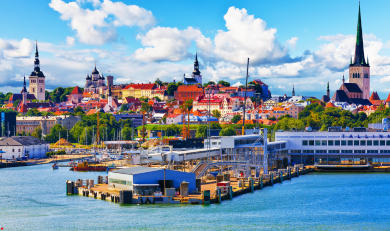
Living in Estonia means settling into a society that prizes independence, clarity, and quiet efficiency. Estonia is often associated with digital innovation and e-government—and those systems genuinely shape daily life—but long-term living here is defined just as much by reserve, personal responsibility, and a deep respect for boundaries. For expats, Estonia can feel refreshingly straightforward, […]

Expats Guide for Ecuador

Living in Ecuador means adapting to a country where geography, relationships, and flexibility shape everyday life more than formal systems. Ecuador is often marketed as affordable, diverse, and expat-friendly—and it can be—but long-term living here is defined by regional contrasts, uneven infrastructure, and a social culture where personal connection often matters more than written rules. […]

Expats Guide for Denmark

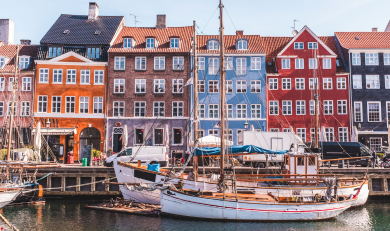
Living in Denmark means adapting to a society built on trust, structure, and an unusually strong belief that things should be fair, functional, and calm. Denmark regularly appears near the top of global happiness rankings, but that reputation is not about constant joy or friendliness. Long-term life here is shaped by predictability, social equality, and […]

Expats Guide for Czech Republic

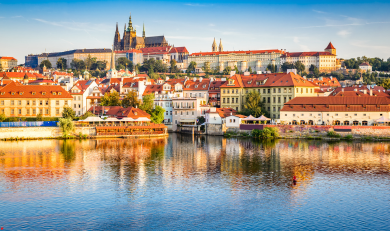
Living in the Czech Republic means adjusting to a society that values practicality, privacy, and competence over display. The Czech Republic is often praised for its safety, affordability, and central European location—and those are real advantages—but long-term life here is shaped by reserved social norms, strong administrative systems, and a culture that expects adults to […]

Expats Guide for Cyprus

Living in Cyprus means adjusting to a place where Mediterranean pace, close-knit social networks, and a practical approach to life shape everyday experience. Cyprus is often presented as sunny, simple, and tax-friendly—and while those elements matter—long-term living here is defined more by relationships, informality, and the realities of life on a relatively small island. For […]

Expats Guide for Croatia

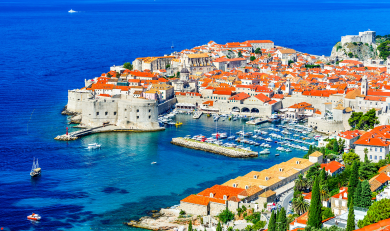
Living in Croatia means adapting to a place where Mediterranean ease, Central European bureaucracy, and strong local identity coexist—sometimes smoothly, sometimes awkwardly. Croatia is often framed as beautiful, relaxed, and affordable, and while those qualities are real, long-term life here is shaped just as much by administration, seasonality, and a social culture that values familiarity […]

Expats Guide for Costa Rica

Living in Costa Rica means adapting to a place where nature, patience, and personal relationships shape daily life more than efficiency or speed. Costa Rica is often marketed as peaceful, eco-friendly, and relaxed—and those qualities are real—but long-term living here is defined less by slogans and more by infrastructure limits, bureaucracy, and a cultural rhythm […]