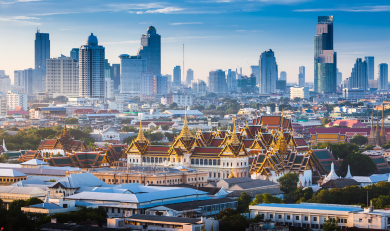
Living in Thailand means adapting to a society where harmony, hierarchy, and flexibility quietly shape almost every aspect of daily life. Thailand is often described as easygoing and welcoming, and in many ways it is—but beneath the surface lies a complex social structure that rewards patience, emotional restraint, and cultural awareness. For expats, the adjustment is rarely about logistics alone; it is about learning how to move gently through a system that values balance over confrontation.
This guide is designed to help you understand Thailand as a place to live, not just a destination for short-term stays. Whether you are relocating for work, remote income, retirement, or lifestyle, long-term comfort in Thailand depends on understanding how its culture, systems, and expectations interact.
Understanding Daily Life in Thailand
Daily life in Thailand tends to feel smooth on the surface. Services are accessible, people are polite, and problems are often handled without visible tension. This ease, however, is supported by a strong cultural emphasis on avoiding conflict and preserving social harmony.
Thai society values calmness and emotional control. Displays of anger, impatience, or frustration are discouraged and can quickly undermine trust. Losing one’s temper is not seen as assertiveness but as a lack of self-control. Expats who adapt well are those who remain composed, even when situations feel inefficient or unclear.
Time in Thailand is flexible. Appointments may start late, plans may change, and processes may move slowly without explanation. This is not usually personal. It reflects a cultural preference for adaptability over rigid scheduling. Accepting this rhythm, rather than fighting it, significantly reduces daily stress.
Relationships matter. Politeness, consistency, and respect create smoother interactions than authority or insistence. Thailand functions best when approached with humility and patience.
Visas, Residency, and Long-Term Stay
Thailand’s visa system is one of the most confusing aspects of expat life. While entry into the country is often easy, long-term legal stay requires careful planning and regular compliance. Visa categories are numerous, rules change frequently, and enforcement can be inconsistent.
Many expats initially enter on tourist visas and later transition to education, work, retirement, or long-stay options. Working legally requires the correct visa and a work permit, and informal employment carries real risk despite its prevalence in some sectors.
Retirement visas are popular among older expats and offer relatively stable residency, provided financial requirements are met. Education visas are commonly used for language study, though scrutiny has increased in recent years.
Thailand does not offer permanent residency easily, and citizenship is rare and complex to obtain. Most expats live on renewable visas, which creates a sense of impermanence even after many years.
Staying informed, organized, and compliant is essential. Thailand is forgiving in tone but firm in consequence when rules are violated.
Housing and Living Arrangements
Housing in Thailand is generally affordable, especially compared to Western countries, but quality varies widely. Most expats live in apartments or condominiums, particularly in cities. Houses are more common outside urban centers or among families.
Many rentals are furnished, sometimes fully. Condominiums often come with amenities such as security, pools, and gyms, even at moderate price points. However, building standards can vary, and cosmetic quality does not always reflect construction quality.
Leases are typically one year, though shorter arrangements are possible. Deposits are standard, and landlords may be flexible, but contracts should be reviewed carefully. Maintenance responsiveness depends heavily on the landlord or management company.
Location strongly influences lifestyle. In large cities, proximity to public transport matters greatly. In beach or rural areas, access to services and healthcare becomes more important than convenience.
Cost of Living and Lifestyle Choices
Thailand offers a wide range of living costs depending on lifestyle. Local food, transportation, and services are inexpensive, while imported goods, international schools, and luxury housing increase expenses quickly.
Many expats live comfortably by embracing local habits. Eating Thai food, using local transport, and shopping domestically keeps costs low and enhances integration. Western-style living is available but comes at a premium.
Utilities, internet, and mobile services are generally affordable and reliable. Domestic help and personal services are accessible to many expats, which significantly improves quality of life.
Budgeting realistically is important, especially for long-term residents who may face healthcare costs, visa fees, or currency fluctuations.
Healthcare and Medical Care
Healthcare in Thailand is one of its strongest advantages. Private hospitals in major cities offer high-quality care, modern facilities, and English-speaking staff at costs significantly lower than in many Western countries.
Public hospitals are affordable but often crowded and less accessible for non-Thai speakers. Most expats rely on private healthcare for routine and emergency care.
Health insurance is strongly recommended, especially for long-term residents. While many services are affordable out of pocket, serious illness or surgery can become expensive.
Thailand is a regional medical hub, and access to specialists is generally fast. However, continuity of care requires proactive communication and documentation.
Work Culture and Professional Life
Thai work culture is hierarchical and relationship-driven. Respect for seniority and authority is important, and decision-making often flows from the top down. Open disagreement with superiors is uncommon and usually handled indirectly.
Communication tends to be polite and non-confrontational. Saying “yes” may indicate acknowledgment rather than agreement. Reading context, tone, and timing is essential in professional settings.
Working hours vary by industry. Some sectors maintain long hours, while others prioritize flexibility. For many expats, especially digital nomads or remote workers, local work culture plays a smaller role in daily life.
Job opportunities for foreigners exist but are limited by legal restrictions and language requirements. Many expats are self-employed, work remotely, or rely on foreign income sources.
Language and Communication
Thai is a tonal language and difficult for many expats to master, but learning basic phrases makes a significant difference. Even minimal effort is appreciated and often improves daily interactions.
English is spoken in tourist areas and international workplaces, but proficiency drops quickly outside major cities and expat hubs. Daily life becomes much easier with basic Thai comprehension.
More important than language fluency is cultural communication. Politeness, smiling, and emotional control are valued over clarity or assertiveness. Correct tone often matters more than exact wording.
Public embarrassment, criticism, or raised voices can damage relationships quickly. Calm, respectful communication opens far more doors.
Transportation and Mobility
Transportation in Thailand varies widely by location. In large cities, public transport systems exist but are often incomplete. Traffic congestion can be severe, especially during peak hours.
Motorbikes are common and convenient but risky, particularly for inexperienced riders. Accidents are one of the most significant safety concerns for expats.
Ride-hailing apps, taxis, and local transport options are widely available and affordable. In smaller towns and islands, transport may be limited and informal.
Walking is possible in some areas but not always practical due to heat, traffic, or infrastructure.
Culture, Etiquette, and Social Norms
Thai culture places high importance on respect, hierarchy, and social harmony. The monarchy and religion are deeply respected, and public criticism of either is illegal.
Modesty and discretion are valued in behavior and dress, particularly in formal or religious settings. Public displays of anger or disrespect are frowned upon.
Social life often revolves around food, family, and informal gatherings. Friendships develop gradually and are based on trust rather than openness.
Expats who approach Thai culture with curiosity rather than judgment tend to integrate more smoothly and enjoy deeper connections.
Safety and Everyday Reality
Thailand is generally safe in terms of violent crime, and expats often feel comfortable in daily life. Petty theft and scams exist but are manageable with awareness.
Traffic accidents pose the greatest physical risk. Caution and restraint are essential, particularly when riding motorbikes.
Heat, humidity, and air pollution can affect health and energy levels. Adapting routines and expectations around climate is part of long-term living.
Building a Long-Term Life in Thailand
Thailand rewards adaptability. Those who expect systems to operate rigidly or transparently often become frustrated. Those who accept ambiguity and prioritize relationships tend to thrive.
Life here can feel easy day to day but uncertain long term. Visas, legal status, and long-term planning require ongoing attention.
Over time, routines stabilize, social circles form, and daily life becomes comfortable. Thailand may not offer permanence easily, but it offers a high quality of life for those willing to live within its rhythms.
Final Thoughts
Living in Thailand is not about convenience alone—it is about balance. Beneath the smiles and surface ease lies a society guided by respect, restraint, and quiet order.
For expats who approach Thailand with patience, humility, and openness, it offers affordability, warmth, cultural depth, and a lifestyle that prioritizes enjoyment over urgency. This guide provides the foundation—but living well in Thailand depends on learning when to move forward, when to pause, and when to simply let things be.