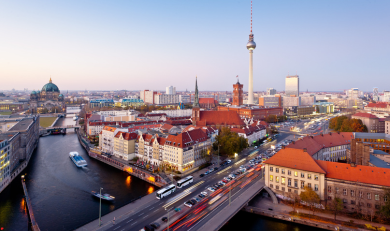
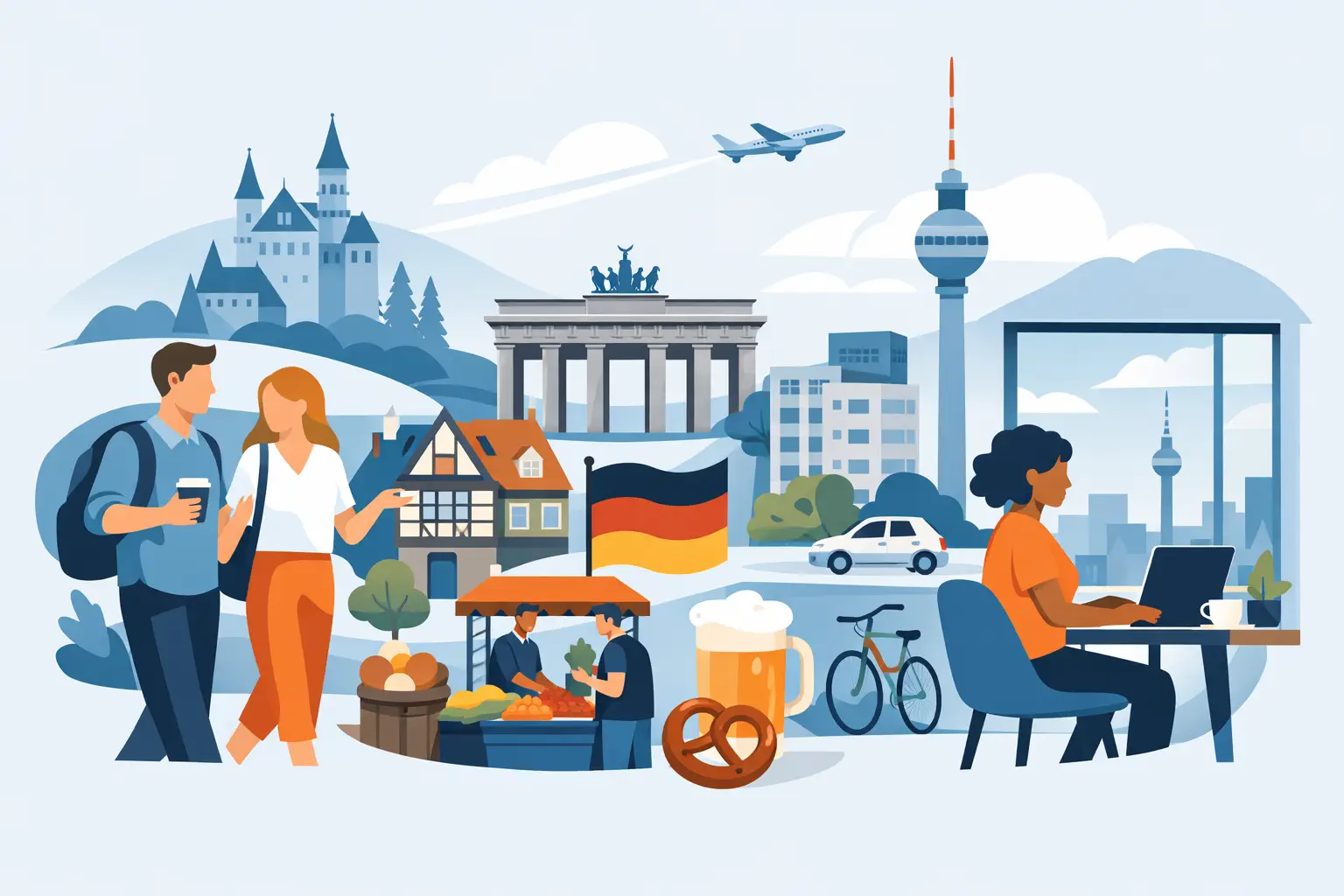
Living in Germany means adapting to a society built on structure, predictability, and a deep respect for rules. Germany is often described as efficient and orderly—and that reputation is largely accurate—but long-term life here is shaped less by speed and more by consistency, planning, and a shared belief that systems should work the same for everyone. For expats, Germany can feel reassuringly stable, though sometimes emotionally reserved and administratively demanding.
This guide is designed to help you understand Germany as a place to live, not just a place that functions well on paper. Whether you are relocating for work, family life, study, or long-term residence, settling well in Germany depends on understanding how its systems, values, and communication styles shape everyday life.
Understanding Daily Life in Germany
Daily life in Germany is structured and rule-oriented. Schedules are respected, appointments start on time, and procedures are followed carefully. Predictability is valued, and deviations from established processes are uncommon. This creates a strong sense of reliability, but it can feel rigid to expats from more flexible cultures.
Socially, Germans tend to be reserved and private. Friendliness exists, but it is not immediate or performative. Small talk is limited, and people generally separate public politeness from private relationships. This can initially feel distant, but it reflects a cultural preference for sincerity over surface warmth.
Directness is common, particularly in professional settings. Feedback is often clear and unembellished, and disagreement is expressed openly but calmly. This style is not intended to be personal; clarity is seen as respectful and efficient.
There is a strong sense of personal responsibility. People are expected to manage their obligations competently, follow rules, and respect shared systems. In return, institutions are expected to function reliably and fairly.
Residency, Visas, and Bureaucracy
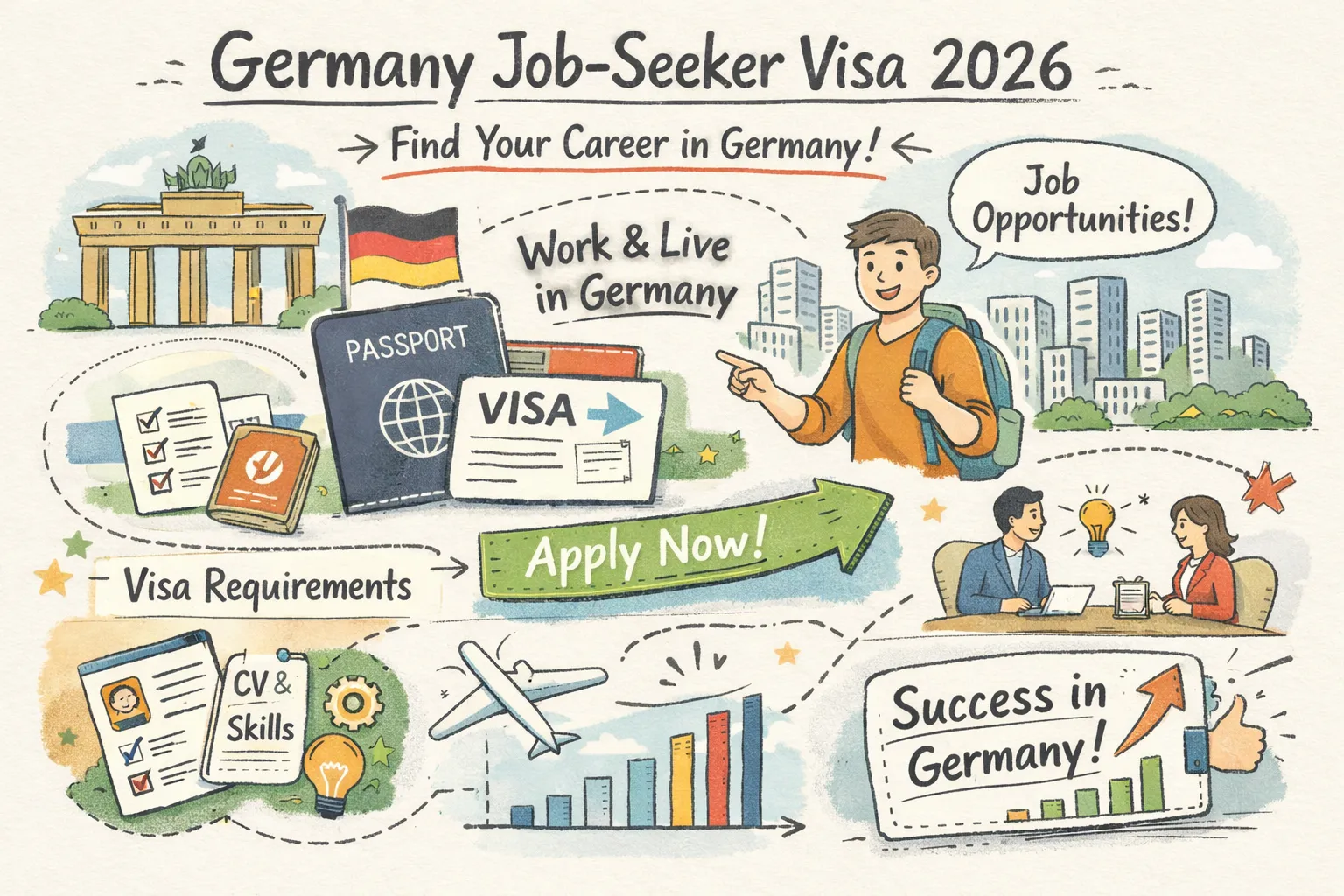
Germany’s immigration system is comprehensive, rules-based, and documentation-heavy. Residency options exist through employment, study, family reunification, self-employment, and long-term EU pathways. Processes are clearly defined, but requirements must be met precisely.
Registration is central to life in Germany. Registering your address shortly after arrival is mandatory and underpins access to healthcare, banking, taxation, and nearly all official services. Without proper registration, daily life becomes complicated quickly.
Bureaucracy is thorough and methodical. Forms, appointments, and official correspondence are standard, and timelines can be long. However, once requirements are met, outcomes are predictable. Persistence and organization are essential skills.
Permanent residency and citizenship are attainable after long-term legal residence, language proficiency, and integration. Germany rewards consistency and compliance rather than shortcuts.
Housing and Where You Live
Housing is one of the most challenging aspects of living in Germany, particularly in major cities like Berlin, Munich, and Hamburg. Demand often exceeds supply, and competition for rental properties can be intense.
Most expats rent apartments, typically unfurnished. This often means apartments come without light fixtures, kitchen appliances, or even flooring, which can surprise newcomers. However, rental standards around maintenance and tenant rights are strong.
Leases are formal, and tenant protections are robust. Rent increases are regulated, and long-term stability is common once housing is secured. At the same time, finding an apartment often requires patience, documentation, and flexibility.
Location has a major impact on daily life. Proximity to public transport, workplaces, and essential services matters more than apartment size. Many expats choose to live slightly outside city centers to find better value and availability.
Cost of Living and Financial Reality
Germany has a moderate to high cost of living, depending on location. Housing is the largest expense, especially in major cities. Groceries, public transport, and basic services are reasonably priced by Western European standards.
Dining out is less central to daily life than in some countries. Many social interactions happen at home, in parks, or through organized activities rather than restaurants.
Salaries are solid across many sectors, and income distribution is relatively balanced. Taxes are high but transparent, funding healthcare, education, infrastructure, and social security.
Understanding the tax and social contribution system is essential. A significant portion of income goes toward public services, but in return residents receive long-term stability and support.
Healthcare and Social Security
Germany has one of the most comprehensive healthcare systems in the world. Health insurance is mandatory and provided through public or private systems, depending on income and employment status.
Public healthcare offers extensive coverage and access to doctors, hospitals, and specialists. Wait times exist for some services, but overall quality is high. Private healthcare offers faster access and additional options at higher cost.
Once insured, healthcare access is straightforward and reliable. Doctors are well trained, and facilities are modern. Communication style can be direct and clinical rather than emotional.
Germany’s broader social security system is extensive. Support for unemployment, illness, disability, and retirement is built into daily life and contributes to long-term security.
Work Culture and Professional Life
German work culture values precision, reliability, and competence. Planning is emphasized, and decisions are often made carefully rather than quickly. Meetings are structured, agendas are followed, and preparation is expected.
Hierarchies exist but are functional rather than personal. Roles and responsibilities are clearly defined, and authority is respected within formal boundaries.
Work-life balance is taken seriously. Working hours are generally respected, overtime is regulated, and vacation time is used fully. Personal time is valued, and constant availability is not expected in most sectors.
Professional credibility comes from expertise and consistency rather than charisma or self-promotion. Delivering high-quality work matters more than visibility.
Language and Communication
German is the primary language of daily life. While English is widely spoken in professional and international environments, long-term integration requires German proficiency.
Official communication, contracts, and bureaucracy are conducted in German. Relying solely on English limits independence and increases reliance on others.
Communication style is direct and precise. People tend to say exactly what they mean, without softening language for emotional comfort. Silence is not uncomfortable, and conversations are often focused on substance rather than rapport.
Learning German significantly improves daily interactions and social integration. Effort is appreciated, even if fluency takes time.
Transportation and Mobility
Germany has an excellent transportation system. Trains, trams, buses, and subways are reliable and widely used. Public transport is a normal part of daily life for people of all income levels.
Intercity rail connects the country efficiently, making travel between regions easy. Delays occur, but overall reliability is high.
Car ownership is common but not essential, particularly in urban areas. Driving standards are high, and road infrastructure is well maintained.
Cycling is widely supported, with extensive bike lanes and infrastructure in many cities.
Climate and Seasonal Living
Germany has distinct seasons that shape daily routines. Winters are cold and dark, while summers are mild and active. Seasonal variation is accepted as part of life rather than something to avoid.
Weather influences social behavior. Outdoor life increases dramatically in warmer months, while winter encourages indoor routines and planning.
Seasonal affective challenges exist, particularly in winter, but structured routines and social stability help mitigate impact.
Culture, Values, and Social Norms
German culture values order, fairness, and clarity. Rules are followed not out of fear, but because they are seen as a shared social contract.
Privacy is important. People separate personal and public life clearly, and friendships develop slowly but tend to be deep and reliable.
Punctuality is a sign of respect. Being late without notice is frowned upon, both socially and professionally.
Environmental awareness is deeply ingrained. Recycling, energy efficiency, and sustainability are widely practiced and expected.
Safety and Everyday Reality
Germany is very safe. Violent crime is rare, and public spaces feel secure. Trust in institutions and law enforcement is generally high.
Cities are lively but orderly. Public behavior is regulated by social norms rather than visible enforcement.
Everyday frustrations tend to be administrative rather than safety-related. Paperwork and waiting periods are more common complaints than instability or risk.
Social Life and Integration
Social integration in Germany takes time. While people are polite and cooperative, friendships are not formed quickly.
Social life often revolves around structured activities—clubs, sports teams, associations, and shared hobbies. Participation is key to building relationships.
The expat community is large, particularly in major cities, and provides immediate social access. Long-term satisfaction often comes from engaging locally rather than remaining separate.
Consistency matters more than enthusiasm. Showing up regularly builds trust.
Building a Long-Term Life in Germany
Living well in Germany requires patience and acceptance of structure. Systems work, but they expect participation and compliance.
Expats who thrive are those who appreciate predictability, fairness, and long-term stability. Those seeking spontaneity or constant flexibility may feel constrained.
Over time, routines become second nature, bureaucracy feels manageable, and daily life becomes smooth and dependable.
Germany offers security rather than excitement, depth rather than drama.
Final Thoughts
Living in Germany is about reliability, responsibility, and shared order. It is a country that prioritizes function over flair and stability over speed.
For expats willing to learn the language, respect rules, and adapt to a structured way of life, Germany offers safety, opportunity, and one of the most dependable living environments in the world. This guide provides the framework—but living well here comes from understanding that in Germany, consistency is not limitation, but freedom through order.