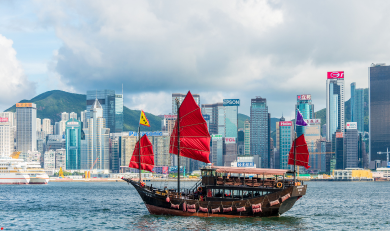
Living in Hong Kong means adjusting to one of the most compressed, fast-moving, and highly functional urban environments in the world. Hong Kong is often described as intense—and that intensity is real—but it is also precise, reliable, and deeply pragmatic. Long-term life here is shaped by density, competition, efficiency, and an unspoken expectation that adults manage their lives competently and without fuss. For expats, Hong Kong can feel exhilarating or exhausting, sometimes both at once.
This guide is designed to help you understand Hong Kong as a place to live, not just a global city to work in. Whether you are relocating for career opportunity, financial reasons, or regional access, settling well in Hong Kong depends on understanding how its systems, social norms, and pace intersect.
Understanding Daily Life in Hong Kong
Daily life in Hong Kong is fast, efficient, and highly structured. Time is treated as a scarce resource, and punctuality is expected. Appointments start on time, queues move quickly, and systems are designed to minimize friction. This creates a sense of momentum that defines everyday experience.
Social interactions are efficient rather than expressive. Politeness is present, but emotional warmth is not emphasized in public settings. Conversations are often brief and purpose-driven, particularly in professional or service contexts. This is not considered rude—it reflects a culture that values functionality over performance.
Privacy is respected, even in dense environments. People coexist closely but keep to themselves. Personal space is limited physically, but boundaries are maintained socially.
Life in Hong Kong rewards preparation and decisiveness. Hesitation, indecision, or lack of clarity often lead to frustration, while confidence and efficiency smooth interactions.
Residency, Visas, and Legal Status
Hong Kong’s immigration system is structured, transparent, and selective. Residency options exist through employment, investment, family ties, or highly skilled migration pathways. Requirements are clearly defined, and decisions are rules-based rather than discretionary.
Employment visas are typically tied to specific roles and employers. Changing jobs requires new approval, which limits flexibility but provides clarity. Documentation must be accurate, and timelines are predictable if requirements are met.
Permanent residency is attainable after continuous legal residence, usually after seven years. Permanent status provides security and simplifies access to services, but it requires long-term commitment.
Hong Kong values compliance and clarity. If you meet criteria, the system works smoothly. If you do not, there is little room for negotiation.
Housing and Where You Live
Housing is one of the most defining aspects of expat life in Hong Kong. Space is limited, prices are high, and compromises are unavoidable. Most expats live in apartments that would feel small by international standards.
Rental properties are typically compact but functional. Storage is limited, rooms are small, and layouts prioritize efficiency. Newer buildings offer modern amenities, while older buildings may provide slightly more space at the cost of condition.
Leases are formal and usually two years, with break clauses. Deposits are standard, and upfront costs can be significant. Competition for desirable units is strong, and decisions often need to be made quickly.
Location has a major impact on daily life. Proximity to work and public transport often matters more than apartment size. Commute time is a critical quality-of-life factor in a city that moves quickly.
Cost of Living and Financial Reality
Hong Kong is one of the most expensive cities in the world, particularly for housing. Rent consumes a large portion of income for most residents, including high earners.
Other living costs vary. Local food, public transport, and basic services are affordable, while imported goods, dining out at international restaurants, and private schooling increase expenses rapidly.
Salaries are competitive, particularly in finance, technology, and professional services. The low tax environment offsets some high costs, making Hong Kong financially viable for many expats despite high rents.
Banking is modern, efficient, and international. Opening accounts is straightforward with proper documentation, and digital payments are widely used.
Healthcare and Medical Care
Hong Kong has an excellent healthcare system with both public and private options. Public hospitals provide high-quality care at low cost, but wait times can be long for non-urgent treatment.
Most expats rely on private healthcare for convenience and speed. Private hospitals and clinics are modern, efficient, and staffed by internationally trained doctors, many of whom speak fluent English.
Health insurance is strongly recommended and often provided by employers. Coverage is comprehensive, and access to specialists is generally fast.
Healthcare standards are among the best in the region, and trust in the system is high.
Work Culture and Professional Life
Hong Kong’s work culture is demanding and performance-driven. Long hours are common in many industries, particularly finance, law, and consulting. Productivity and responsiveness are highly valued.
Hierarchies exist and are respected. Decision-making authority is clearly defined, and deference to seniority is expected. At the same time, competence and results matter greatly.
Communication is direct and efficient. Meetings are goal-oriented, and emotional language is minimal. Feedback may be blunt, particularly in high-pressure environments.
Work-life balance exists but is uneven. Some industries and companies support flexibility, while others expect near-total availability. Understanding sector norms is essential before committing long term.
Language and Communication
Cantonese is the dominant spoken language in daily life, while English is widely used in business, government, and education. Most expats can function comfortably in English, especially professionally.
However, daily interactions—shops, taxis, local services—often involve Cantonese. While English is commonly understood, not everyone is comfortable using it.
Communication style is concise and pragmatic. Small talk is limited, and conversations often focus on practical outcomes rather than relationship-building.
Learning basic Cantonese is not required but is appreciated and can improve daily interactions, particularly outside professional environments.
Transportation and Mobility
Hong Kong has one of the most efficient public transportation systems in the world. Trains, buses, ferries, and trams are reliable, clean, and widely used.
Owning a car is unnecessary and often impractical due to cost and parking constraints. Most residents rely entirely on public transport.
Commute times are predictable, and the system supports living across the city without significant inconvenience. This allows expats to prioritize housing quality or affordability over proximity, within limits.
Walking is common, though the city’s density and verticality mean stairs, escalators, and elevated walkways are part of daily life.
Culture, Values, and Social Norms
Hong Kong culture values efficiency, discretion, and resilience. People expect systems to work and individuals to manage their responsibilities competently.
Public behavior is restrained. Loudness, emotional displays, or public confrontation are discouraged. Maintaining composure is seen as a sign of professionalism and maturity.
Achievement and financial success are respected, but overt displays of status are understated. Practical success matters more than appearance.
Family and education are highly valued. Many life decisions are shaped by long-term planning rather than short-term comfort.
Safety and Everyday Reality
Hong Kong is extremely safe. Violent crime is rare, and public spaces feel secure at all hours. Trust in law enforcement and public order is high.
Infrastructure is reliable, utilities function consistently, and emergency services respond quickly. Daily life feels controlled rather than chaotic.
The main pressures are psychological rather than physical—crowding, workload, and cost rather than safety concerns.
Social Life and Integration
Social life in Hong Kong often revolves around work, shared interests, or established social circles. Friendships tend to form through proximity and repetition rather than spontaneous interaction.
The expat community is large and diverse, providing easy access to social networks. Many expats socialize primarily within these circles, particularly in the early years.
Deeper integration with local communities is possible but requires language ability, patience, and long-term presence. Cultural boundaries exist, but they are navigable with respect and consistency.
Entertainment options are extensive but often expensive. Social life can feel transactional if not managed intentionally.
Climate and Lifestyle Adjustment
Hong Kong’s climate is hot and humid for much of the year, with short, mild winters. Summer heat and humidity affect daily routines and energy levels.
Air conditioning is essential, and much of daily life takes place indoors during hotter months. Outdoor activity is more common during cooler seasons.
Despite density, access to nature is surprisingly good. Hiking trails, beaches, and country parks offer respite from urban intensity and are widely used by residents.
Building a Long-Term Life in Hong Kong
Living well in Hong Kong requires stamina, organization, and clarity about priorities. The city offers opportunity and efficiency, but it demands focus and resilience.
Expats who thrive are those who value structure, ambition, and access to global markets. Those seeking spacious living, slow pace, or emotional expressiveness may struggle.
Over time, routines become automatic, systems feel supportive, and daily life becomes manageable rather than overwhelming.
Hong Kong rewards competence. Once you understand how things work, life becomes remarkably smooth.
Final Thoughts
Living in Hong Kong is about intensity with purpose. It is a city that compresses opportunity, efficiency, and competition into a dense, highly functional environment.
For expats willing to accept small living spaces, fast pace, and high costs in exchange for safety, connectivity, and professional opportunity, Hong Kong offers a uniquely powerful way of life. This guide provides the framework—but living well here comes from understanding that in Hong Kong, efficiency is not a preference, but a shared social contract.