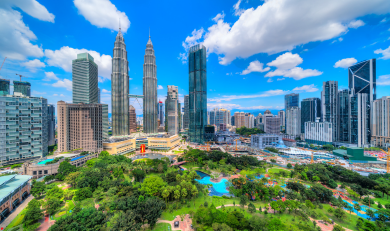
Living in Malaysia means settling into a place where comfort, diversity, and practicality coexist with hierarchy, bureaucracy, and strong cultural boundaries. Malaysia often feels easy on the surface—English is widely spoken, infrastructure is solid, and daily life is affordable—but long-term living here is shaped by unwritten rules, administrative complexity, and a society that values harmony over directness. For expats, Malaysia can be remarkably livable, provided expectations are aligned with how things actually function.
This guide is designed to help you understand Malaysia as a place to live, not just a place to enjoy temporarily. Whether you are relocating for work, remote income, family life, or long-term residence, settling well in Malaysia depends on understanding its social structure, systems, and pace.
Understanding Daily Life in Malaysia
Daily life in Malaysia is orderly but flexible. Systems exist and generally work, but progress often depends on patience and polite follow-up rather than speed. Processes may take longer than expected, and outcomes are not always linear. This is not usually chaotic; it is simply a reflection of a culture that prioritizes harmony and process over confrontation.
Malaysians are generally polite, reserved, and conflict-averse in public settings. Courtesy matters, tone matters, and saving face is important. Open disagreement, especially with authority or in group settings, is avoided. Expats who adopt a calm, respectful communication style tend to navigate daily life more smoothly.
At the same time, Malaysia is highly multicultural. Malay, Chinese, Indian, and indigenous communities coexist, each with distinct cultural norms, religious practices, and social expectations. Daily life often involves moving between these contexts, particularly in cities. Sensitivity to difference is not optional—it is part of everyday competence.
Life moves at a moderate pace. There is less urgency than in some Western countries, but more structure than in many developing contexts. This balance is one of Malaysia’s strengths.
Residency, Visas, and Legal Stay
Malaysia’s immigration system is structured but conservative. Residency options exist through employment, long-term social visit programs, family ties, or investment, but processes are documentation-heavy and approval is not guaranteed.
Employment visas are tied to employer sponsorship and specific roles. Changing jobs typically requires new approval, and work authorization is strictly enforced. Self-employment is limited and often requires local partners or specific business structures.
Long-term residence programs are popular but subject to changing requirements. Financial thresholds, age criteria, and documentation standards can shift, sometimes with limited notice. Staying informed and using professional guidance is common.
Malaysia does not operate as a traditional immigration country. Permanent residency is possible but rare, and citizenship is extremely difficult to obtain. Most expats live on renewable visas and plan accordingly.
Housing and Where You Live
Housing in Malaysia is one of its strongest advantages. Apartments and houses are modern, spacious, and affordable by international standards, particularly in urban areas.
Most expats live in condominiums with amenities such as security, pools, and gyms. Furnished rentals are common, and leases are typically one to two years. Contracts are formal, and expectations around rent and deposits are clear.
Quality is generally good, though construction standards vary. Asking about noise insulation, internet reliability, and maintenance responsiveness is important. High-rise living is common, and building management quality can significantly affect comfort.
Location matters. Traffic congestion is significant in major cities, and choosing housing close to work, schools, or daily routines can dramatically improve quality of life. Neighborhood character varies widely even within the same city.
Cost of Living and Financial Reality
Malaysia offers a relatively low cost of living with a high level of comfort. Housing, domestic services, transportation, and local food are affordable, while imported goods and international schooling increase costs.
Dining out is a normal part of life and ranges from inexpensive street food to high-end international restaurants. Food culture is central, and eating out is often more convenient than cooking.
Utilities are affordable, and infrastructure is reliable. Internet quality is generally good in urban areas, though backup mobile data is common for remote workers.
Banking is modern and accessible once residency documentation is in place. Digital payments are widely used, and cash is becoming less common in cities.
Healthcare and Medical Care
Healthcare in Malaysia is excellent by regional standards. Private hospitals and clinics are modern, efficient, and affordable, with many English-speaking doctors trained internationally.
Health insurance is strongly recommended and often required for visas. Coverage is affordable compared to many countries and provides access to high-quality private care.
Public healthcare exists and is inexpensive, but most expats prefer private facilities for comfort and speed. Access to specialists is generally fast, and preventive care is widely available.
Malaysia is a regional medical hub, and many expats express high confidence in the healthcare system.
Work Culture and Professional Life
Work culture in Malaysia is hierarchical and relationship-oriented. Authority and seniority are respected, and decision-making often flows from the top.
Communication tends to be indirect and polite. Saying “yes” may indicate acknowledgment rather than agreement. Disagreement is often expressed subtly or privately. Understanding context and following up diplomatically is essential.
Working hours vary by industry. Some sectors maintain long hours, while others emphasize balance. Punctuality is expected, but flexibility exists.
Professional environments are multicultural, which adds opportunity and complexity. Cultural awareness and adaptability are critical to long-term success.
Language and Communication
English is widely spoken and used in business, education, and healthcare. Most expats can function comfortably without learning local languages.
However, Malaysia is linguistically diverse. Bahasa Malaysia is the national language, while Mandarin, Cantonese, Tamil, and other languages are commonly used in daily life. Code-switching is normal.
Communication style is generally polite and measured. Direct confrontation is avoided, and public criticism is discouraged. Maintaining composure and respect is essential.
Learning basic local phrases is appreciated and helps build rapport, though fluency is not required for daily functioning.
Transportation and Mobility
Malaysia is largely car-dependent, especially outside central urban areas. Public transportation exists and is improving, but coverage can be uneven.
Major cities have rail and bus systems that serve central corridors well. Ride-hailing services are widely used and affordable.
Driving is common, and road infrastructure is generally good. Traffic congestion is a significant issue in major cities, particularly during peak hours.
Domestic travel is easy and affordable, with good flight connectivity and long-distance buses.
Culture, Religion, and Social Norms
Malaysia is a socially conservative country with strong religious influence. Islam plays a central role in public life, particularly for the Malay population, while other religions are practiced freely within defined boundaries.
Respect for religious customs is essential. Dress codes, public behavior, and speech are shaped by cultural expectations, particularly in government buildings and formal settings.
Public harmony is prioritized. Avoiding embarrassment, confrontation, or offense is important in social and professional life.
Hospitality is genuine, and social warmth often appears once trust is established. Relationships deepen over time rather than through immediate familiarity.
Safety and Everyday Reality
Malaysia is generally safe, with low levels of violent crime. Urban areas feel secure, and daily life is predictable.
Petty theft occurs, particularly in crowded areas, but serious incidents are uncommon. Awareness and common sense are sufficient for most expats.
Political life is relatively stable, though public expression is regulated. Understanding boundaries around speech and assembly is important.
Climate and weather influence daily life. Heat, humidity, and seasonal rain affect routines, transportation, and energy levels.
Social Life and Integration
Malaysia has a large and diverse expat community, particularly in major cities. Social life within these circles is active and accessible.
Deeper integration with local communities takes time and sensitivity. Cultural and religious differences create natural boundaries, but respectful engagement is welcomed.
Food, shared activities, and workplace relationships are common entry points to social life. Consistency and humility matter more than enthusiasm.
For families, schools and children’s activities are often the primary bridge into community life.
Building a Long-Term Life in Malaysia
Living well in Malaysia requires understanding limits. Comfort, affordability, and infrastructure are strong, but long-term security and permanence are less certain.
Expats who thrive are those who respect hierarchy, adapt communication styles, and plan with flexibility. Those who expect full integration or permanent settlement may struggle.
Over time, routines stabilize, systems become familiar, and daily life feels easy. Malaysia offers convenience without intensity.
Final Thoughts
Living in Malaysia is about balance—between comfort and constraint, openness and boundaries, modernity and tradition. It is not a country that demands constant adaptation, but it does require awareness and respect.
For expats seeking affordability, high-quality healthcare, cultural diversity, and a practical day-to-day lifestyle, Malaysia offers a compelling base. This guide provides the framework—but living well here comes from understanding that in Malaysia, harmony matters more than speed, and respect is the most valuable currency.