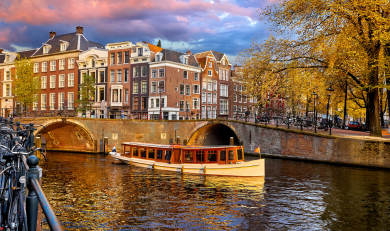
Living in Netherlands means adapting to a society that values structure, directness, and practicality above almost everything else. The Netherlands is often described as easy for expats—and in many ways it is—but daily life here is shaped by strong systems, social rules that are subtly enforced, and a cultural preference for clarity over comfort. For expats, life can feel refreshingly efficient, but also emotionally understated.
This guide is designed to help you understand the Netherlands as a place to live long term, not just a place that functions well on paper. Whether you are relocating for work, family life, or long-term residence, settling well here depends on understanding how Dutch systems, communication styles, and expectations intersect.
Understanding Daily Life in the Netherlands
Daily life in the Netherlands is highly organized. Appointments are scheduled well in advance, calendars are respected, and punctuality is expected. Systems work reliably, and deviations from rules are uncommon. This predictability creates a strong sense of order and trust in daily routines.
Socially, the Dutch are polite but reserved. Friendliness exists, but it is not overt or emotional. Small talk is minimal, and interactions tend to be functional. This can feel abrupt or impersonal at first, but it reflects a cultural preference for honesty and efficiency rather than distance.
Directness is one of the most defining features of Dutch life. People say what they mean and expect others to do the same. This applies in professional settings, friendships, and even casual interactions. While this can feel blunt to expats from more indirect cultures, it is rarely intended to be rude. Clarity is seen as respectful.
Work, personal life, and leisure are clearly separated. People protect their personal time, and social invitations are often planned weeks in advance. Spontaneity exists, but it is usually discussed before it happens.
Residency, Visas, and Bureaucracy
The Netherlands has a well-structured immigration system that is rules-based and efficient. Residency options depend on employment, family reunification, study, or long-term EU rights. Procedures are clearly documented, and timelines are generally reliable.
Registration with the local municipality is essential and often required shortly after arrival. This registration underpins access to banking, healthcare, housing, and employment. Without it, daily life becomes difficult quickly.
Processes are formal but transparent. If requirements are met, applications move forward smoothly. If something is missing, progress stops. There is little room for informal negotiation or exceptions.
Permanent residency and citizenship are attainable after long-term legal residence, language proficiency, and integration requirements. The Netherlands rewards compliance, consistency, and planning.
Housing and Where You Live
Housing is one of the most challenging aspects of living in the Netherlands. Demand far exceeds supply, particularly in cities like Amsterdam, Utrecht, and Rotterdam. Finding housing often requires persistence, flexibility, and realistic expectations.
Most expats rent apartments, usually unfurnished or partially furnished. Properties are typically well-maintained but compact. Space is used efficiently, and large living areas are uncommon, especially in urban centers.
Rental contracts are formal, and tenant rights are strong. However, competition is intense, and landlords can be selective. Proof of income, references, and quick decision-making are often required.
Location has a major impact on daily life. Proximity to public transport, work, and services matters more than apartment size. Many expats choose to live outside major city centers to find better value, relying on excellent transport links.
Cost of Living and Financial Reality
The Netherlands has a high cost of living, particularly for housing, childcare, and services. Groceries and transportation are reasonably priced, but dining out and leisure activities can add up quickly.
Salaries are competitive, and income distribution is relatively balanced. Many benefits are embedded into the system rather than negotiated individually, including healthcare access, parental leave, and worker protections.
Taxes are high but transparent. Residents contribute significantly, but in return receive reliable public services, infrastructure, and social support. Understanding this trade-off is essential to appreciating life here.
Banking is modern and efficient. Opening an account requires proper registration, but once established, digital payments dominate daily life. Cash is rarely used.
Healthcare and Public Services
The Netherlands has a universal healthcare system based on mandatory private insurance. Everyone must carry health insurance, which provides access to a standardized package of care.
Primary care operates through general practitioners, who act as gatekeepers for specialist treatment. This system emphasizes prevention and cost control, which can feel restrictive to some expats.
Healthcare quality is high, but the approach is conservative. Doctors often prefer monitoring and lifestyle advice before prescribing medication or referring to specialists. This can feel frustrating for those accustomed to more interventionist systems.
Public services are reliable, digital, and efficient. Processes are clearly defined, and outcomes are predictable, though rarely fast-tracked.
Work Culture and Professional Life
Dutch work culture values efficiency, autonomy, and balance. Hierarchies are flat, and managers are approachable. Employees are expected to contribute ideas, speak openly, and take responsibility for their work.
Communication is direct and honest. Feedback is given plainly, and disagreement is normal. Emotional language is limited, and arguments are expected to be logical rather than personal.
Work-life balance is taken seriously. Overtime is not celebrated, and many people work reduced hours by choice. Family life, hobbies, and personal time are treated as legitimate priorities.
Professional credibility comes from competence and consistency rather than status or assertiveness. Showing up prepared and delivering results matters more than visibility.
Language and Communication
Dutch is the official language, but English proficiency is extremely high. Most expats can function comfortably in English, especially in professional and urban environments.
However, long-term integration benefits from learning Dutch. While people may switch to English quickly, speaking Dutch signals commitment and improves social inclusion.
Communication style is straightforward and literal. What is said is usually what is meant. Reading between the lines is less necessary than in many cultures.
Humor is dry and understated. Compliments are rare, and understatement is common. This can feel reserved, but it reflects cultural norms around modesty.
Transportation and Mobility
The Netherlands has one of the best transportation systems in the world. Trains, trams, buses, and metros are reliable, clean, and widely used.
Cycling is central to daily life. Infrastructure is designed around bikes, and cycling is considered normal for all ages and professions. Many daily routines are built around cycling rather than driving.
Car ownership is unnecessary in most urban areas and can be expensive. Parking is limited, and public transport is often faster and more convenient.
Distances are short, and domestic travel is easy. The country’s size contributes to its sense of accessibility and efficiency.
Climate and Environmental Factors
The Dutch climate is mild but often gray, windy, and wet. Weather changes quickly, and planning for rain is part of daily life.
Seasonal affective challenges are common due to limited sunlight in winter. People adapt by maintaining routines, social connections, and outdoor activity regardless of weather.
Environmental consciousness is deeply embedded. Recycling, energy efficiency, and sustainability are widely practiced and expected.
Urban planning emphasizes livability, green space, and functionality rather than spectacle.
Culture, Values, and Social Norms
Dutch culture values equality, fairness, and transparency. Standing out excessively or displaying status is discouraged. Modesty is a social expectation.
People separate private and public life clearly. Friendships take time to develop, and social circles can feel closed at first. Once formed, relationships are stable and reliable.
Rules matter, and social pressure reinforces compliance. Breaking rules is more likely to attract quiet disapproval than open confrontation.
Consensus is important. Decisions often involve discussion and agreement rather than unilateral authority.
Safety and Everyday Reality
The Netherlands is very safe. Violent crime is rare, and public spaces feel secure at all hours.
Trust in institutions is high, and corruption is minimal. This contributes to a sense of reliability and calm in daily life.
Urban density means privacy can feel limited, but social norms help manage shared space effectively.
Social Life and Integration
Social integration takes time. Expats often find it easy to build professional networks but harder to form deep friendships with locals.
Community life is structured around clubs, sports, and shared activities rather than spontaneous gatherings. Participation is key to integration.
The expat community is large and active, particularly in major cities. While this provides immediate support, long-term satisfaction often comes from engaging locally.
Building a Long-Term Life in the Netherlands
Living well in the Netherlands requires adjustment to clarity and structure. Systems work, but they expect participation and responsibility.
Expats who thrive are those who appreciate directness, respect rules, and value balance over intensity. Those who seek emotional expressiveness or flexibility may find the culture rigid at times.
Over time, routines settle, daily life becomes smooth, and the predictability becomes comforting rather than restrictive.
Final Thoughts
Living in the Netherlands is about clarity, balance, and trust in systems. It is a country that prioritizes functionality, fairness, and quality of life over drama or display.
For expats willing to accept direct communication, plan ahead, and engage with a highly structured society, the Netherlands offers stability, opportunity, and an exceptionally livable everyday experience. This guide provides the framework—but living well here comes from understanding that in the Netherlands, efficiency is a form of care, and honesty is a social norm rather than a personal statement.