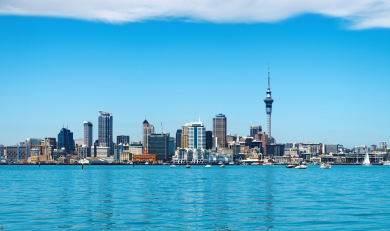
Living in New Zealand means settling into a society that prizes balance, fairness, and closeness to nature over speed or spectacle. New Zealand is often imagined as relaxed and easygoing—and in many ways it is—but long-term life here is shaped by distance, high living costs, and a culture that quietly expects self-reliance. For expats, the adjustment is usually smooth on the surface, but deeper integration takes time.
This guide is designed to help you understand New Zealand as a place to live, not just a place to admire. Whether you’re relocating for work, family life, lifestyle change, or long-term stability, settling well here depends on understanding its pace, systems, and understated social norms.
Understanding Daily Life in New Zealand
Daily life in New Zealand is calm, practical, and routine-oriented. People value predictability and fairness, and there is little tolerance for unnecessary hierarchy or pretension. Interactions are generally polite, informal, and direct, with a strong emphasis on mutual respect.
New Zealanders tend to be friendly but reserved. Conversation is easy, but personal boundaries are respected, and relationships deepen slowly. Loud self-promotion or status-seeking behavior is generally disliked. Humility and authenticity are valued far more than ambition or intensity.
Time is treated seriously. Appointments usually start on time, and commitments are expected to be kept. At the same time, work rarely dominates identity. Personal life, family, and outdoor time are treated as legitimate priorities rather than rewards for productivity.
There is a strong do-it-yourself mindset. People are expected to solve problems independently and not rely excessively on institutions or others. This contributes to a sense of competence and equality, but it can also feel isolating for newcomers.
Residency, Visas, and Immigration Reality
New Zealand’s immigration system is structured, points-based, and tightly managed. Residency pathways exist through skilled employment, family sponsorship, study-to-work routes, and investment, but criteria are strictly enforced and subject to change.
Applications require extensive documentation and can take significant time. Policies shift based on labor needs and political priorities, and requirements may change while applications are in progress. Staying informed and realistic is essential.
Work visas are usually tied to specific employers and roles. Changing jobs often requires new approval, which limits flexibility. Permanent residency is attainable, but it requires meeting eligibility criteria over time rather than simply remaining in the country.
New Zealand welcomes migrants, but it is selective. Long-term settlement is possible, but it requires planning, compliance, and patience.
Housing and Where You Live
Housing is one of the biggest challenges for expats in New Zealand. Prices and rents are high relative to local wages, particularly in Auckland, Wellington, and popular regional centers.
Most expats rent houses or apartments, often unfurnished. Properties are typically modest in size, and older housing stock can have issues with insulation, heating, and dampness. These factors can be surprising, especially in winter.
Leases are formal, and tenant rights are protected, but competition for housing can be intense. References, proof of income, and quick decision-making are often required.
Location strongly affects daily life. Proximity to work, schools, and services matters, as commuting distances can feel longer than expected due to infrastructure and geography. Smaller towns offer lower costs but fewer employment options.
Cost of Living and Financial Reality
New Zealand has a high cost of living, especially for housing, groceries, utilities, and fuel. Imported goods are expensive due to distance and market size.
Dining out is costly and less common as a daily habit. Many social interactions happen at home, outdoors, or around informal gatherings rather than restaurants.
Salaries are moderate by international standards, and wage growth can feel slow. Many expats experience a lifestyle trade-off: high quality of life in terms of safety and environment, balanced against limited financial acceleration.
Taxes are straightforward and transparent. While rates are not low, public services such as healthcare and education are funded through taxation rather than private systems.
Healthcare and Public Services
New Zealand has a public healthcare system that provides broad coverage to residents. Once eligible, access to hospitals, emergency care, and basic services is reliable and affordable.
Primary care operates through general practitioners, and referrals are required for specialist treatment. Wait times exist for non-urgent procedures, and this is accepted as part of a fairness-based system.
Private healthcare exists and is commonly used to reduce wait times. Many expats carry private insurance, particularly during their early years or for elective procedures.
Public services are functional and consistent, though not fast. Processes are clear, and outcomes are predictable, but patience is often required.
Work Culture and Professional Life
Work culture in New Zealand is informal, egalitarian, and trust-based. Hierarchies are flat, and managers are generally approachable. Employees are expected to take initiative and manage their responsibilities independently.
Communication is direct but polite. Feedback is usually honest and delivered without emotional emphasis. Overly aggressive or competitive behavior is poorly received.
Work-life balance is genuinely valued. Long hours are not celebrated, and taking leave is normal and expected. Family commitments and personal time are respected.
Professional success often depends on cultural fit as much as technical skill. Collaboration, reliability, and humility matter more than assertiveness or visibility.
Language and Communication
English is the primary language, and communication is generally straightforward. Accents and colloquial expressions can take time to adjust to, but language barriers are minimal.
Communication style is understated. People avoid exaggeration and emotional displays, particularly in professional settings. Humor is often dry and self-deprecating.
Māori culture is an important part of national identity. Māori words, greetings, and place names are commonly used, and respect for indigenous culture is an expected part of public life.
Listening carefully and speaking modestly go a long way in building trust.
Transportation and Mobility
New Zealand is car-dependent, especially outside major cities. Public transportation exists in urban areas but is limited in coverage and frequency.
Owning a vehicle is often necessary for daily life. Roads are generally well maintained, though distances between cities are long and travel times can be deceptive.
Domestic flights connect major centers, but costs can be high. Many people structure life around regional living rather than frequent long-distance travel.
Walking, cycling, and outdoor movement are part of daily routine, particularly in smaller towns.
Climate, Geography, and Daily Rhythm
New Zealand’s climate is mild but changeable. Weather can shift quickly, and daily routines often adapt accordingly. Being prepared for variability is part of everyday life.
Seasons are distinct but not extreme. Winters can feel colder indoors due to housing quality, while summers are active and outdoor-focused.
Nature is central to daily life. Access to beaches, mountains, parks, and open space is considered normal rather than exceptional. Outdoor activity is woven into identity and social life.
The country’s geographic isolation shapes mindset. Travel abroad is expensive and time-consuming, which reinforces local focus and long-term planning.
Safety and Social Stability
New Zealand is very safe. Violent crime is rare, and public spaces feel secure. Trust in institutions is high, and corruption is minimal.
This stability contributes to a relaxed daily atmosphere. Children play freely, communities feel accessible, and social trust is strong.
The trade-off is limited anonymity in smaller communities. Privacy exists, but social visibility can feel high, particularly outside major cities.
Social Life and Integration
Social integration takes time. While people are friendly, friendships often develop slowly through repeated interaction rather than instant closeness.
Communities are tight-knit, especially in smaller towns. This can feel welcoming or insular depending on expectations. Participation and consistency matter more than enthusiasm.
Expat communities exist, particularly in larger cities, but long-term satisfaction often comes from engaging locally rather than remaining socially separate.
Social life is casual and home-centered. Large public nightlife scenes are limited outside major cities.
Building a Long-Term Life in New Zealand
Living well in New Zealand requires accepting trade-offs. Comfort, safety, and natural beauty are high, but financial growth and excitement may feel limited.
Expats who thrive are those who value balance, modesty, and long-term stability. Those seeking rapid career acceleration or constant stimulation may feel constrained.
Over time, routines settle, relationships deepen, and daily life becomes quietly reliable. New Zealand reveals itself gradually rather than dramatically.
Final Thoughts
Living in New Zealand is about choosing steadiness over intensity and balance over ambition. It is a country that prioritizes fairness, trust, and quality of life rather than speed or status.
For expats willing to adapt to its pace, respect its understated culture, and accept its geographic isolation, New Zealand offers a grounded, safe, and deeply livable way of life. This guide provides the framework—but living well here comes from embracing a place where progress is measured not by urgency, but by sustainability and balance.