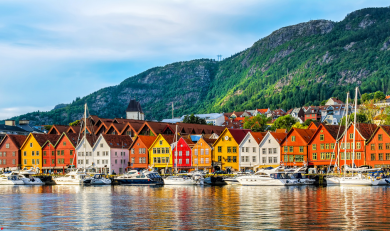
Living in Norway means adapting to a society built on trust, structure, and a strong belief in collective responsibility. Norway is often admired for its wealth, safety, and natural beauty, but long-term life here is shaped less by scenery and more by systems, social norms, and an understated way of interacting with the world. For expats, Norway can feel exceptionally stable—but also quietly demanding.
This guide is designed to help you understand Norway as a place to live, not just a country that ranks highly in quality-of-life reports. Whether you are relocating for work, family life, or long-term stability, settling well in Norway depends on understanding how its systems, values, and expectations shape everyday experience.
Understanding Daily Life in Norway
Daily life in Norway is structured, predictable, and intentionally calm. People value routine, planning, and reliability. Appointments start on time, services function as expected, and public spaces are orderly and well maintained. There is little tolerance for chaos, but also little appetite for unnecessary urgency.
Socially, Norwegians are reserved and private. Small talk is limited, and personal boundaries are respected. This can initially feel distant or cold to expats from more expressive cultures, but it is not unfriendly. Trust is built slowly through consistency rather than enthusiasm.
Equality is a defining value. Hierarchies are flat, titles are rarely emphasized, and people expect to be treated—and to treat others—as equals. Displays of status, wealth, or superiority are generally frowned upon.
There is also a strong culture of self-sufficiency. People are expected to manage their own responsibilities competently and independently. Asking for help is acceptable, but relying too heavily on others is not encouraged.
Residency, Visas, and Bureaucracy
Norway’s immigration system is clear, rules-based, and strictly enforced. Residency options depend on employment, family reunification, study, or long-term EU/EEA rights. Processes are transparent, but requirements must be met precisely.
Applications involve documentation, identity checks, and waiting periods. Timelines are generally reliable, but there is little flexibility if documents are missing or criteria are not met. Norway prioritizes fairness through consistency rather than case-by-case discretion.
Once residency is granted, access to public services is comprehensive. Registration with national systems is essential, as everything from healthcare to banking depends on your official status.
Permanent residency and citizenship are attainable after long-term legal residence, language proficiency, and integration. Norway rewards commitment, compliance, and patience.
Housing and Where You Live
Housing in Norway is expensive and competitive, particularly in cities like Oslo, Bergen, and Stavanger. Most expats rent apartments, often unfurnished, and should be prepared for high upfront costs.
Rental standards are high. Apartments are typically well insulated, energy-efficient, and maintained to strict standards. However, size may be smaller than expats expect, especially in urban areas.
Leases are formal and regulated. Tenant rights are strong, but so are expectations around maintenance, cleanliness, and adherence to building rules. Noise levels are generally low, and neighbors expect quiet and respect for shared spaces.
Location matters greatly. Proximity to work, public transport, and daily services affects quality of life, particularly in winter. Many Norwegians prioritize access to nature over centrality, even if it means longer commutes.
Cost of Living and Financial Reality
Norway has one of the highest costs of living in the world. Housing, food, dining out, and services are expensive by international standards. This can be a significant adjustment for new arrivals.
At the same time, wages are high, and income distribution is relatively even. Many basic services are subsidized or provided publicly, which offsets some private costs.
Groceries are expensive, particularly imported goods. Eating out is costly and less common as a daily habit than in some countries. Many social interactions happen at home or outdoors rather than in restaurants.
Taxes are high but transparent. In return, residents receive comprehensive healthcare, education, infrastructure, and social security. Understanding this tradeoff is essential to appreciating life in Norway.
Healthcare and Social Services
Norway has a universal healthcare system that provides comprehensive coverage to residents. Once registered, access to doctors, hospitals, and specialist care is reliable and affordable.
Primary care is accessed through assigned general practitioners, and referrals are required for specialist treatment. Wait times exist for non-urgent care, but emergency treatment is efficient and high quality.
Private healthcare exists but plays a limited role compared to many countries. Most residents rely on the public system and accept waiting times as part of collective fairness.
The broader social welfare system is extensive. Support for families, unemployment, illness, and disability is strong, contributing to long-term security rather than short-term convenience.
Work Culture and Professional Life
Norwegian work culture values balance, autonomy, and trust. Working hours are generally reasonable, and overtime is not celebrated. Productivity is expected, but so is respect for personal time.
Hierarchies are flat, and managers are approachable. Employees are expected to work independently and take responsibility for their tasks without close supervision.
Communication is direct but understated. Feedback is usually clear and honest, delivered without emotional emphasis. Meetings are structured, efficient, and purposeful.
Work-life balance is taken seriously. Vacation time is used fully, parental leave is generous, and family obligations are respected. Work is important, but it is not expected to dominate life.
Language and Communication
Norwegian is the primary language of daily life. While English proficiency is very high, particularly in professional environments, long-term integration requires learning Norwegian.
Communication style is reserved and precise. People avoid exaggeration and emotional language. Silence is comfortable, and conversations may include pauses without awkwardness.
Directness is valued, but it is expressed calmly. Overly expressive or confrontational communication can feel intrusive or uncomfortable to locals.
Making an effort to learn Norwegian is highly appreciated and often essential for full participation in society, particularly outside major cities.
Transportation and Mobility
Norway has a reliable and well-maintained transportation system. Public transport in cities is efficient, clean, and widely used. Trains, buses, trams, and ferries connect most regions.
Car ownership is common outside urban centers, though it is expensive. Roads are well maintained, but winter driving requires confidence and preparation.
Walking and outdoor movement are integral to daily life. Infrastructure supports pedestrians and cyclists, and weather is rarely seen as a reason to stay indoors.
Distances can be long, and geography is challenging. Travel time is often dictated by terrain rather than distance alone.
Climate and Seasonal Living
Norway’s climate plays a central role in daily life. Winters are long and dark, particularly in northern regions, while summers bring extended daylight and intense activity.
Seasonal adjustment is essential. People structure routines, social life, and energy around the calendar. Outdoor activity is embraced year-round, regardless of weather.
Winter can be challenging for newcomers. Darkness, cold, and limited daylight require mental and physical adaptation. Community, routine, and embracing seasonal habits help significantly.
Culture, Values, and Social Norms
Norwegian culture emphasizes modesty, equality, and respect for shared rules. Standing out unnecessarily or seeking attention is generally discouraged.
Privacy is valued. People separate personal and public life clearly, and friendships take time to develop. Once formed, relationships are reliable and sincere.
Nature is central to identity. Time spent outdoors is not a luxury but a necessity, and access to nature is considered a basic part of a good life.
Social responsibility is taken seriously. Recycling, punctuality, and respect for public systems are widely practiced and expected.
Safety and Everyday Reality
Norway is one of the safest countries in the world. Violent crime is rare, and public spaces feel secure at all hours.
Institutions are trusted, and corruption is minimal. This contributes to a sense of stability and predictability that shapes daily life.
The tradeoff for safety and reliability is limited spontaneity. Life is calm, but it can feel quiet or restrained to some expats.
Building a Long-Term Life in Norway
Living well in Norway requires adjustment rather than effort. Systems work, but they expect participation and respect. Social integration takes time, but it is genuine.
Expats who thrive are those who value structure, equality, and long-term security. Those seeking constant excitement, rapid change, or expressive social environments may find the pace challenging.
Over time, routines settle, trust builds, and daily life becomes smooth and dependable. Norway offers depth through consistency rather than intensity.
Final Thoughts
Living in Norway is about stability, trust, and shared responsibility. It is a country that prioritizes fairness, balance, and long-term well-being over speed or spectacle.
For expats willing to learn the language, adapt to the climate, and embrace a culture of equality and restraint, Norway offers one of the most secure and functional ways of life in the world. This guide provides the framework—but living well in Norway comes from accepting that here, calm is not the absence of life, but its foundation.