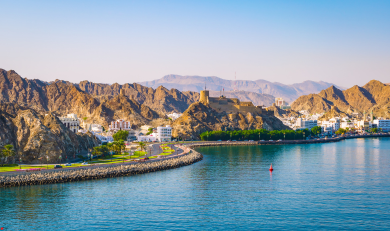
Living in Oman means adapting to a country where tradition, restraint, and quiet order shape daily life. Oman is often overlooked in favor of its more high-profile neighbors, yet for expats it offers something rare in the region: stability without intensity, modern infrastructure without excess, and cultural conservatism balanced by genuine hospitality. Life here is calm, predictable, and deeply rooted in social norms that reward respect and patience.
This guide is designed to help you understand Oman as a place to live, not just a place to work or pass through. Whether you are relocating for employment, family life, or a slower pace of living, settling well in Oman depends on understanding how its culture, laws, and expectations shape everyday experience.
Understanding Daily Life in Oman
Daily life in Oman is quiet and measured. The pace is slower than in many Gulf countries, and urgency is rarely a defining feature of public life. Things generally work, but they do so deliberately. Planning ahead and allowing extra time is part of daily routine.
Omanis are polite, reserved, and respectful. Public behavior is calm, voices are generally low, and confrontation is avoided. Social harmony and dignity are valued, and emotional restraint is seen as a sign of maturity rather than distance.
At the same time, Omanis are genuinely hospitable. Courtesy is sincere rather than performative, and small gestures of respect—greetings, patience, and appropriate behavior—go a long way. Expats who approach daily interactions with humility tend to be treated warmly and fairly.
Social life for expats often centers on home, work, and small social circles rather than large public scenes. Oman is not nightlife-oriented, and entertainment is low-key. For many expats, this contributes to a sense of calm and personal balance.
Residency, Visas, and Legal Status
Residency in Oman is tied to sponsorship, most commonly through employment. Work visas are issued efficiently, but documentation must be exact, and compliance is taken seriously. Medical checks, residency cards, and registration are mandatory.
Losing employment can affect residency status quickly, and expats are expected to resolve their status or depart within a defined period. Oman does not function as a traditional immigration country, and long-term residence remains conditional.
Family sponsorship is common once primary residency is established, though requirements apply. Long-term or permanent residency options are limited, and citizenship is extremely rare for foreigners.
Because legal status underpins access to housing, banking, and healthcare, expats must remain attentive to visa conditions, renewals, and employment changes. The system is fair but firm, and assumptions are not tolerated.
Housing and Where You Live
Housing in Oman is generally spacious and good value compared to many countries in the region. Expats typically live in apartments or villas, often in quieter residential areas rather than dense urban centers.
Most rentals are unfurnished or semi-furnished, and leases are formal. Employer-provided housing allowances are common and influence where many expats live. Properties tend to emphasize space and privacy over luxury amenities.
Maintenance standards are generally reasonable, though responsiveness varies. Heat management is an important consideration, and air conditioning is essential year-round. Asking about water pressure, cooling systems, and backup power is advisable.
Location affects lifestyle significantly. Living closer to work reduces travel time in hot weather, while coastal or suburban areas offer quieter living at the cost of longer commutes.
Cost of Living and Financial Reality
Oman offers a moderate cost of living. Housing is affordable relative to salaries, and everyday expenses such as groceries, fuel, and utilities are manageable. Fuel costs are particularly low, which supports car-dependent living.
Salaries are generally tax-free for expats, which increases disposable income. However, benefits vary by employer, and expats should understand what is included in their compensation packages.
Imported goods, alcohol, and international brands are expensive. Local products and services are more affordable and widely available.
Banking is stable and conservative. Opening an account requires residency documentation, and processes can take time. Once established, financial systems function reliably.
Healthcare and Medical Care
Healthcare in Oman is of good quality, particularly in urban centers. Public hospitals are modern and well-equipped, though expats often rely on private clinics for faster access and English-speaking staff.
Health insurance is mandatory and usually provided by employers. Coverage levels vary, and understanding what is included—especially for family members—is essential.
Private healthcare is affordable by international standards and generally efficient. Access to specialists is good, though for highly complex procedures some expats choose treatment abroad.
Medical professionals are well-trained, and communication is generally clear. Preventive care is available, though many residents seek treatment only when necessary.
Work Culture and Professional Life
Omani work culture is hierarchical and respectful. Authority is valued, and decision-making often flows from senior leadership. Patience is essential, as decisions may take time and involve multiple levels of approval.
Professional environments are formal but courteous. Direct confrontation is avoided, and criticism is usually delivered gently or indirectly. Maintaining respect and composure is critical for long-term professional relationships.
Working hours vary by sector, though many offices operate on traditional schedules. Overtime expectations are generally lower than in some neighboring countries, contributing to a more balanced lifestyle.
Many workplaces are multicultural, requiring cultural sensitivity and adaptability. Reputation, reliability, and respectful behavior matter more than assertiveness.
Language and Communication
Arabic is the official language of Oman, but English is widely spoken in business, healthcare, and education. Most expats can function comfortably using English in daily life.
That said, communication style matters greatly. Politeness, formality, and restraint are valued. Raising one’s voice, showing frustration, or pressing aggressively can damage trust.
Learning basic Arabic greetings and expressions is appreciated and often improves interactions. It signals respect for local culture, even if fluency is not expected.
Public communication is generally indirect. Saying “no” outright may be avoided, and understanding context and tone helps prevent misunderstanding.
Culture, Religion, and Social Norms
Omani society is deeply influenced by Islamic values, particularly moderation, humility, and respect. Religion shapes daily routines, holidays, and social expectations.
Dress codes are modest, especially in public spaces. While enforcement is not aggressive, adherence is expected. Respecting local norms in clothing and behavior is essential.
Alcohol is regulated and available only through licensed venues or private permits. Public intoxication or disorderly behavior carries serious consequences.
Privacy is highly valued. Family life is central, and public discussion of personal matters is limited. Expats are expected to respect these boundaries.
Transportation and Mobility
Oman is car-dependent. Public transportation exists but is limited, and most expats rely on private vehicles. Roads are generally well-maintained, and driving culture is calm compared to many countries.
Traffic congestion is modest outside peak hours. Long-distance travel by car is common, and distances between cities are manageable.
Ride-hailing services operate in urban areas, though coverage is limited compared to larger regional hubs.
Oman’s geography offers access to mountains, deserts, and coastline, making travel an integral part of lifestyle for many residents.
Safety and Public Order
Oman is one of the safest countries in the region. Violent crime is rare, and public order is strong. Law enforcement is visible but unobtrusive.
This safety is maintained through clear laws and consistent enforcement. Legal violations, particularly related to behavior or public conduct, can carry serious penalties.
Expats generally feel secure in daily life, including walking at night and traveling alone. Safety is one of Oman’s strongest appeals.
Social Life and Integration
Social life in Oman is quiet and home-centered. Large public social scenes are limited, and entertainment options are understated.
Expats tend to form small, stable social circles through work, schools, or shared activities. Relationships are often long-lasting but develop slowly.
Integration into Omani social life is limited and not generally expected. Respectful coexistence rather than deep social blending is the norm.
For families, Oman offers a calm, secure environment with strong emphasis on routine and stability.
Climate and Lifestyle Adjustment
Oman’s climate is hot and dry for much of the year, with extremely high temperatures in summer. Daily routines adapt accordingly, with outdoor activity limited during peak heat.
Air conditioning is central to daily life, and energy use is high. Coastal areas experience humidity, while inland regions are drier.
Despite the climate, outdoor activities are popular during cooler months. Oman’s natural landscape encourages travel, exploration, and appreciation of open space.
Building a Long-Term Life in Oman
Living well in Oman requires respect for boundaries, acceptance of structure, and realistic expectations about permanence. Comfort, safety, and quality of life are high, but residency remains conditional.
Expats who thrive are those who value calm, stability, and routine. Those seeking fast-paced social scenes or constant stimulation may find life here too quiet.
Over time, daily life becomes predictable and comfortable. Oman does not demand attention—it offers consistency.
Final Thoughts
Living in Oman is about quiet balance. It is a country that prioritizes dignity, order, and continuity over speed or spectacle.
For expats seeking safety, cultural depth, and a slower, more grounded way of living, Oman offers a rare quality of life in the region. This guide provides the framework—but living well in Oman comes from patience, respect for local norms, and an appreciation for a society that values calm over noise and stability over display.