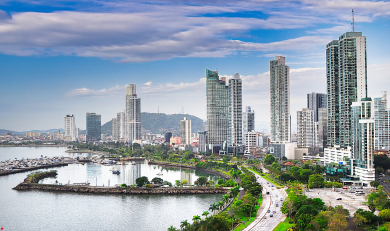
Living in Panama means settling into a country that is outwardly modern and globally connected, yet internally shaped by relationships, hierarchy, and a slower institutional rhythm. Panama is often marketed as an easy place to relocate—financially open, strategically located, and familiar to foreigners—but long-term life here depends on understanding how systems really function beyond the brochures.
This guide is designed to help you understand Panama as a place to live, not just as a place to register residency or open a bank account. Whether you are relocating for lifestyle, business, retirement, or remote work, settling well in Panama requires patience, cultural awareness, and realistic expectations.
Understanding Daily Life in Panama
Daily life in Panama operates on contrast. In areas like Panama City, you’ll find modern infrastructure, international businesses, and services that feel comparable to North America or Europe. At the same time, many processes—especially administrative ones—move slowly and depend heavily on personal follow-up.
Time is flexible. Appointments may start late, responses may take days or weeks, and plans can change with little explanation. This is rarely seen as a failure of professionalism. Instead, it reflects a culture where adaptability matters more than punctuality and where personal circumstances are given weight.
Panamanians are generally polite, reserved at first, and warm once trust is established. Courtesy and respect are important, especially in professional and bureaucratic settings. Open confrontation, impatience, or visible frustration often slows progress rather than speeding it up.
Social life revolves around family, food, and informal gatherings. Relationships are built gradually and matter greatly in getting things done. Panama functions best for expats who understand that persistence and politeness are more effective than efficiency-driven pressure.
Residency, Visas, and Legal Stay
Panama is well known for its relatively accessible residency options, particularly for retirees, investors, and professionals from certain countries. Residency processes are clearer than in many countries, but they are still paperwork-heavy and require patience.
Applications typically involve documentation, background checks, proof of income, and multiple in-country visits. Lawyers are commonly used, and while this simplifies navigation, it does not eliminate delays. Timelines are often longer than expected, even when all requirements are met.
Once residency is granted, life becomes significantly easier. Access to banking, healthcare, and formal employment improves, and many daily frustrations diminish. Permanent residency is attainable, and citizenship is possible after long-term residence, though few expats pursue it.
Panama is welcoming, but it still expects compliance. Staying organized, keeping copies of everything, and following up calmly are essential habits.
Housing and Where You Live
Housing in Panama varies widely by region. Panama City offers modern high-rise apartments with amenities comparable to international standards, while smaller towns and beach areas provide more relaxed, community-oriented living.
Most expats rent apartments or houses. Furnished rentals are common, particularly in expat-heavy areas. Quality varies significantly, and newer buildings do not always guarantee better construction or maintenance.
Leases are typically one year, though flexibility exists. Contracts may be formal or relatively simple, and clarity around maintenance responsibilities, utilities, and deposits is important from the outset.
Location has a major impact on quality of life. In Panama City, traffic congestion is severe, and choosing housing close to work or daily activities can dramatically improve daily comfort. Outside the capital, access to healthcare, reliable internet, and transportation should be prioritized.
Cost of Living and Financial Reality
Panama offers a moderate cost of living by international standards, though expenses depend heavily on lifestyle. Local food, services, and transportation are affordable, while imported goods, international schools, and luxury housing increase costs quickly.
The use of the U.S. dollar simplifies finances for many expats. Inflation is relatively stable, and currency risk is minimal compared to other countries in the region.
Utilities and internet are generally affordable but not always reliable. Power outages and service interruptions occur, especially outside major urban centers. Backup solutions are common in higher-end housing.
Banking is modern but conservative. Opening accounts can take time and requires proper residency documentation. Panama’s banking system prioritizes compliance and transparency, which can feel restrictive but adds long-term stability.
Healthcare and Medical Care
Healthcare in Panama includes both public and private options. Public healthcare is affordable but often overcrowded and slow. Most expats rely on private clinics and hospitals, particularly in Panama City.
Private healthcare quality is generally good, with modern facilities and well-trained doctors. English-speaking medical staff are available in major hospitals, though not universally.
Health insurance is strongly recommended. While routine care is affordable out of pocket, serious illness or hospitalization can become expensive without coverage.
Panama is a regional medical hub, and many procedures are available locally. However, for highly specialized treatment, some expats still choose care abroad.
Work Culture and Professional Life
Panamanian work culture is hierarchical and relationship-driven. Authority is respected, and decision-making often flows from senior figures. Titles and roles matter, particularly in traditional sectors.
Communication tends to be polite and indirect. Saying “yes” may indicate acknowledgment rather than agreement. Following up gently and repeatedly is often necessary to move projects forward.
Working hours vary by industry. Some sectors maintain long hours, while others operate at a slower pace. Punctuality is valued in theory but applied flexibly in practice.
Local salaries are modest by international standards, which leads many expats to work remotely, run businesses, or rely on foreign income. Employment opportunities for foreigners exist but are regulated and language-dependent.
Language and Communication
Spanish is essential for long-term integration in Panama. While English is spoken in business and expat-heavy areas, daily life—including healthcare, government offices, and local services—requires Spanish proficiency.
Panamanian Spanish is generally clear, but communication style matters as much as language skill. Politeness, calm tone, and respectful forms of address are important.
Direct confrontation or bluntness can damage relationships quickly. Indirect communication is common, and people may avoid saying “no” directly to preserve harmony.
Making an effort to speak Spanish is appreciated and often leads to better service and warmer interactions.
Transportation and Mobility
Transportation in Panama varies significantly by location. Panama City has a modern metro system and bus network, but coverage is uneven, and traffic congestion remains a major challenge.
Outside the capital, public transportation is limited and informal. Many expats rely on private vehicles, taxis, or ride-hailing services.
Driving standards vary, and road conditions can change quickly outside urban areas. Defensive driving and patience are essential.
Panama’s geographic position makes regional and international travel convenient, and the main airport serves as a major hub.
Culture, Etiquette, and Social Norms
Panamanian culture values respect, hierarchy, and social harmony. Elders and authority figures are treated with deference, and polite behavior is expected in all settings.
Religion, particularly Catholicism, influences public life and social customs, even among non-practicing individuals. Holidays and religious events shape the calendar and daily routines.
Hospitality is genuine but measured. Relationships develop over time rather than through immediate familiarity. Trust is built through consistency rather than enthusiasm.
Dress codes are generally casual but modest, especially in professional or official contexts.
Safety and Everyday Reality
Panama is generally safe for expats, particularly in well-established neighborhoods. Violent crime is relatively low, though petty theft and scams occur, especially in urban areas.
Safety varies by location, and choosing housing carefully makes a significant difference. Awareness and common sense reduce risk substantially.
Political stability is strong, and civil unrest is rare. Protests occur occasionally but are usually localized and predictable.
Climate-related issues such as heat, humidity, and heavy rain affect daily life and infrastructure. Adapting routines to weather patterns is part of long-term living.
Regional Differences and Lifestyle Choice
Panama offers diverse living environments. Urban professionals often choose Panama City for work and convenience, while retirees and lifestyle-focused expats gravitate toward mountain towns or coastal areas.
Smaller communities offer slower pace and lower costs but fewer services. Larger cities provide infrastructure and opportunity at the cost of congestion and noise.
Choosing the right location is one of the most important decisions expats make. Climate, healthcare access, internet reliability, and community dynamics vary significantly by region.
Building a Long-Term Life in Panama
Living well in Panama requires patience more than efficiency. Systems exist, but they move slowly and depend on follow-up. Expats who expect clarity and speed often struggle, while those who adapt tend to thrive.
Social integration happens gradually. Relationships deepen over time and become essential for navigating daily life. Once established, these connections are reliable and supportive.
Panama offers comfort without urgency. It is not a place that demands constant attention, but it rewards those who learn its rhythms.
Final Thoughts
Living in Panama is about balance—between modern infrastructure and traditional processes, between global connection and local culture. It is neither chaotic nor effortless, but it is manageable and welcoming for those who approach it with patience.
For expats willing to learn the language, respect local norms, and accept that progress takes time, Panama offers stability, affordability, and a comfortable long-term lifestyle. This guide provides the framework—but living well in Panama comes from understanding that here, persistence and relationships matter more than speed or control.