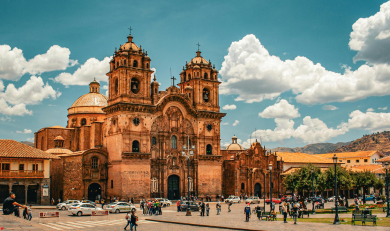
Living in Peru means adapting to a country where history, geography, and social hierarchy shape everyday life in quiet but persistent ways. Peru is often associated with culture, cuisine, and dramatic landscapes, but long-term living here is defined less by spectacle and more by relationships, patience, and regional variation. For expats, the experience can be deeply enriching—but it requires flexibility and a willingness to navigate systems that function unevenly.
This guide is designed to help you understand Peru as a place to live, not just a destination to explore. Whether you are relocating for work, lifestyle, remote income, or family reasons, settling well in Peru depends on understanding how daily life actually works on the ground.
Understanding Daily Life in Peru
Daily life in Peru is shaped by informality and hierarchy at the same time. Rules exist, but how they are applied often depends on context, relationships, and persistence. Processes may feel slow or inconsistent, especially for expats accustomed to standardized systems.
Time is treated flexibly. Appointments may start late, deadlines shift, and follow-ups are often required. This is rarely considered disrespectful. Instead, it reflects a cultural tolerance for uncertainty and a focus on adapting to circumstances rather than enforcing rigid schedules.
Socially, Peruvians are generally polite, reserved at first, and warm once trust is established. Courtesy and respect are important, particularly in professional or institutional settings. Open confrontation is avoided, and emotional restraint is valued in public interactions.
Family and social networks play a major role in daily life. Decisions are often influenced by family obligations, and personal relationships frequently shape professional outcomes. Understanding this dynamic is key to navigating work, housing, and bureaucracy.
Residency, Visas, and Bureaucracy
Peru’s immigration system is relatively accessible compared to many countries, but it can feel unpredictable. Many expats enter on tourist visas, which allow short-term stays but have strict limits on work and extensions.
Longer-term residency options exist through employment, investment, family ties, or retirement-related visas. The process involves documentation, in-person appointments, and follow-up visits. Requirements are clear in theory but can be applied inconsistently in practice.
Bureaucracy in Peru is paper-heavy and often requires patience. Forms, stamps, and multiple visits are common. Information provided online may not always reflect current practice, making local advice valuable.
Once residency is secured, access to services such as banking, healthcare, and formal employment improves significantly. However, administrative tasks remain part of daily life, and persistence is often required.
Permanent residency and citizenship are possible after long-term residence, but most expats live on renewable visas and accept a degree of uncertainty.
Housing and Where You Live
Housing in Peru varies widely by city, neighborhood, and income level. Expats typically rent apartments, particularly in larger cities like Lima, Arequipa, or Cusco. Coastal neighborhoods in Lima are especially popular due to climate and amenities.
Many rentals are furnished, often fully. Building quality ranges from modern high-rise apartments with security to older properties with basic maintenance standards. Asking detailed questions about water pressure, internet reliability, and noise is important.
Rental agreements can be formal or informal. Contracts are common in expat-heavy areas, but enforcement varies. Negotiation is expected, and prices can differ significantly depending on how foreign the tenant appears.
Location has a major impact on quality of life. Traffic congestion is significant in large cities, and commuting can be exhausting. Proximity to work, healthcare, and daily services often matters more than apartment size or cost.
Cost of Living and Financial Reality
Peru offers a relatively low cost of living by international standards, though expenses vary widely by lifestyle. Local food, transportation, and services are affordable, while imported goods, international schools, and high-end housing increase costs quickly.
Dining out is common and affordable, particularly at local restaurants. Peru’s food culture is a major part of daily life, and eating out is often easier than cooking at home.
Utilities are generally affordable but can be unreliable. Internet quality varies by provider and location, and having a backup mobile data option is advisable for remote workers.
Banking is functional but bureaucratic. Opening accounts can take time, and some expats rely on international banks or digital financial services alongside local accounts.
Healthcare and Medical Care
Healthcare in Peru includes both public and private systems. Public hospitals are affordable but often overcrowded and under-resourced. Most expats rely on private clinics and hospitals, especially in major cities.
Private healthcare quality is generally good, with well-trained doctors and modern facilities in urban centers. English-speaking staff are available in some clinics, though not universally.
Health insurance is strongly recommended. While routine care is affordable out of pocket, serious illness, surgery, or emergency treatment can become costly without coverage.
Access to specialized care may be limited outside major cities, and some expats travel abroad for complex procedures.
Work Culture and Professional Life
Peruvian work culture is hierarchical and relationship-driven. Authority is respected, and decision-making often flows from senior figures. Initiative is valued, but it is expected to operate within established structures.
Communication tends to be polite and indirect. Saying “yes” may indicate acknowledgment rather than agreement, and disagreement is often expressed subtly. Reading tone and context is essential in professional settings.
Working hours vary by industry, but long hours are common in many sectors. Work-life balance exists culturally, but economic pressure often overrides it in practice.
Local salaries are modest by international standards, which leads many expats to work remotely or rely on foreign income. Job opportunities for foreigners exist but are often limited by language requirements and regulations.
Language and Communication
Spanish is essential for long-term living in Peru. While some English is spoken in tourist areas and international companies, daily life requires Spanish proficiency.
Peruvian Spanish is generally clear and neutral, making it accessible for learners. However, communication style matters as much as language skill. Politeness, respect, and calm delivery are highly valued.
Public criticism or visible frustration can damage relationships quickly. Indirect communication is common, and people may avoid saying “no” outright to preserve harmony.
Making an effort to speak Spanish is appreciated and often results in warmer interactions and greater patience from locals.
Transportation and Mobility
Transportation in Peru can be challenging. Traffic congestion is severe in large cities, and driving standards are inconsistent. Many expats choose not to drive themselves.
Public transport exists but is often crowded and informal. Buses, minibuses, and shared taxis are widely used but can be confusing for newcomers. Ride-hailing apps offer a more predictable alternative.
Travel between cities can involve long bus journeys or domestic flights. Peru’s geography makes travel time-consuming, and weather or infrastructure issues can cause delays.
Walking is possible in some neighborhoods but limited by traffic, air quality, and uneven infrastructure.
Culture, Etiquette, and Social Norms
Peruvian culture places high value on respect, hierarchy, and social harmony. Elders and authority figures are treated with deference, and formal politeness is expected in many contexts.
Religion, particularly Catholicism, plays an important role in public life. Religious holidays and festivals shape the calendar and influence daily routines.
Social life often revolves around food, family gatherings, and celebrations. Hospitality is genuine, though relationships take time to deepen.
Public displays of anger or confrontation are discouraged. Maintaining composure and courtesy is essential for smooth interactions.
Safety and Everyday Reality
Peru is generally safe for expats, but safety varies significantly by location. Petty crime exists in urban areas, and situational awareness is important.
Certain neighborhoods require caution, particularly at night. Following local advice and choosing housing carefully reduces risk significantly.
Political demonstrations and strikes occur periodically and can disrupt transportation and services. Staying informed helps avoid inconvenience.
Natural risks such as earthquakes are part of life, though preparedness and building standards mitigate impact in many areas.
Regional Differences and Lifestyle Choice
Peru is highly diverse. Coastal cities, highland regions, and jungle areas offer very different lifestyles, climates, and challenges.
Lima dominates economic and professional life, while cities like Arequipa or Cusco offer slower-paced alternatives with strong local culture. Smaller towns provide affordability and community but limited services.
Choosing the right region is one of the most important decisions expats make. Climate, altitude, healthcare access, and employment opportunities vary dramatically.
Building a Long-Term Life in Peru
Living well in Peru requires patience more than efficiency. Systems function, but slowly and unevenly. Expats who expect consistency and speed often struggle, while those who adapt tend to thrive.
Social integration happens through repeated interaction and trust. Relationships deepen gradually and become a major source of support.
Peru offers richness rather than ease. It can be frustrating, but it is rarely dull. Many expats find that the country’s depth, culture, and humanity outweigh its logistical challenges.
Final Thoughts
Living in Peru is about learning to navigate complexity with calm and respect. It is a country where systems matter less than people and where progress often depends on persistence rather than process.
For expats willing to adapt expectations, learn the language, and engage patiently with local culture, Peru offers affordability, cultural depth, and a deeply human way of life. This guide provides the framework—but living well in Peru comes from embracing a place that rewards humility, resilience, and relationship-building over control.