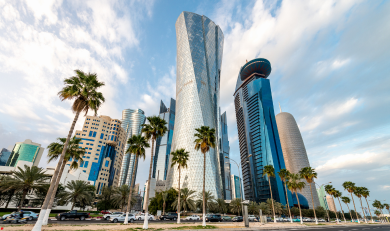
Living in Qatar means adapting to a society where tradition, wealth, and rapid development coexist within clear social and legal boundaries. Qatar is small, highly centralized, and exceptionally well resourced, yet daily life for expats is shaped as much by cultural expectations and law as by modern infrastructure. For many, life here is comfortable and orderly—but it is also conditional.
This guide is designed to help you understand Qatar as a place to live, not just a place to work or earn. Whether you are relocating for a professional opportunity, family life, or medium-term residence, settling well in Qatar depends on understanding how authority, culture, and systems intersect.
Understanding Daily Life in Qatar
Daily life in Qatar is calm, controlled, and highly structured. Infrastructure functions smoothly, services are efficient, and most logistical needs are easily met. The country’s small size means that distances are short, commutes are manageable, and daily routines are predictable.
At the same time, life operates within clearly defined limits. Laws are strict, enforcement is real, and expectations around behavior are not negotiable. This creates an environment that feels safe and orderly, but also one where spontaneity and informality are limited in public life.
Socially, Qatar is divided into parallel worlds. Expat communities are large, international, and socially active within themselves. Qatari society, however, remains private and family-centered. While locals are often polite and hospitable, meaningful integration into Qatari social life is rare for expats and not generally expected.
Life moves at a measured pace. There is little visible chaos, but decisions—particularly in professional or administrative settings—may take time and flow through hierarchy rather than urgency.
Residency, Visas, and Legal Status
Residency in Qatar is tied directly to sponsorship. For most expats, this comes through employment, though family sponsorship is also common. Your legal right to remain in the country depends on maintaining valid sponsorship, and changes in employment status have immediate consequences for residency.
Work visas are issued efficiently, but documentation must be precise. Medical examinations, biometric registration, and national ID issuance are mandatory. Once completed, day-to-day life becomes significantly easier, as the ID is required for banking, housing, healthcare, and contracts.
Unlike traditional immigration countries, Qatar does not offer a clear path to permanent residency or citizenship for most expats. Long-term residence is possible, but it remains conditional and revocable.
Understanding this temporary nature is essential. Many expats build successful, long-term lives in Qatar, but they do so with the awareness that residency is ultimately tied to employment and compliance.
Housing and Living Arrangements
Housing in Qatar is modern, spacious, and generally high quality. Most expats live in apartments or villas, often within gated compounds that offer shared facilities such as pools, gyms, and security.
Rent is typically high by regional standards but reflects the quality of construction and amenities. Leases are formal, and housing is usually arranged through employers or real estate agents. Furnished rentals are common, particularly for new arrivals.
Compound living is popular among families, as it provides a controlled environment, social interaction, and recreational facilities. Independent apartments offer more privacy and are often closer to business districts.
Location matters. Proximity to work, schools, and daily services significantly affects quality of life, particularly given traffic congestion during peak hours.
Qatar offers tax-free income for most residents, which significantly increases take-home pay. However, this does not mean life is inexpensive. Housing, private education, and certain lifestyle expenses can be high.
Everyday costs such as groceries, utilities, and transportation are manageable, especially when using local or regional products. Imported goods and international brands are more expensive.
Banking is modern and efficient, but opening accounts requires residency documentation. Credit is accessible, and digital payments are widely used.
Because long-term residency is uncertain, financial planning is essential. Many expats focus on saving and investing while in Qatar, viewing their time there as a strategic financial phase rather than a permanent settlement.
Healthcare and Medical Care
Healthcare in Qatar is modern, well-funded, and accessible. Public healthcare facilities are of high quality, and private clinics and hospitals offer additional options.
Health insurance is mandatory, and coverage depends on employer policies or private plans. Access to specialists is generally fast, and English-speaking medical professionals are common.
Costs are reasonable compared to other high-income countries, particularly when insurance is in place. Emergency care is efficient, and standards are consistently high.
Preventive care and routine checkups are widely available, contributing to overall confidence in the healthcare system.
Work Culture and Professional Life
Work culture in Qatar is hierarchical and relationship-driven. Authority is respected, and decision-making often flows from the top down. Titles and seniority matter, particularly in government-linked organizations and traditional sectors.
Professional environments are multicultural, with colleagues from many countries working together. This diversity requires cultural sensitivity, as communication styles and expectations vary widely.
Working hours can be long, especially in competitive or senior roles. Availability and responsiveness are often expected beyond standard office hours.
Employment contracts define terms clearly, but job security depends on performance and organizational needs. Termination can happen quickly, which reinforces the importance of financial preparedness.
Networking plays a significant role in career progression. Trust, reputation, and personal connections often matter as much as formal qualifications.
Language and Communication
Arabic is the official language, but English is widely used in business, healthcare, and daily life. Most expats can function comfortably without speaking Arabic.
However, understanding cultural communication norms is essential. Politeness, respect, and restraint are valued, and public confrontation is discouraged.
Direct criticism, especially of authority or institutions, should be avoided. Communication tends to be formal in professional settings and courteous in social contexts.
Learning basic Arabic phrases is appreciated and can help build rapport, though it is not required for daily functioning.
Culture, Religion, and Social Norms
Qatari society is deeply influenced by Islamic values and tradition. Religion shapes daily routines, holidays, and public expectations, particularly during Ramadan.
Modesty in dress and behavior is expected in public spaces. While enforcement varies, respecting local norms is essential to avoid legal or social consequences.
Alcohol is restricted and available only in licensed venues. Public intoxication and disorderly conduct are serious offenses.
Privacy is highly valued. Family life is central, and public discussion of personal matters is limited. Understanding boundaries—especially between public and private behavior—is critical for smooth integration.
Transportation and Mobility
Qatar is car-oriented. Public transportation exists and has improved significantly, but many expats rely on private vehicles or ride-hailing services.
Road infrastructure is modern, though driving behavior can be aggressive. Traffic congestion is common during peak hours.
The country’s small size makes travel quick and convenient. International travel is easy, with Doha serving as a major global hub.
Safety and Public Order
Qatar is one of the safest countries in the world in terms of violent crime. Law enforcement is visible, efficient, and strict.
This safety is maintained through clear laws and consistent enforcement. Legal violations—particularly related to behavior, speech, or alcohol—can carry serious penalties.
Most expats feel extremely secure in daily life, including at night and in public spaces. Safety is one of Qatar’s strongest attractions, particularly for families.
Social Life and Integration
Social life in Qatar largely revolves around expat communities. Social clubs, professional networks, and private gatherings are common and provide opportunities for connection.
Building friendships is relatively easy within expat circles, though relationships can be transient due to frequent turnover. Local integration is limited and not typically expected.
Family-oriented lifestyles are common, and social life often centers on home gatherings, sports, or organized activities rather than public nightlife.
Building a Long-Term Life in Qatar
Living well in Qatar requires understanding its conditional nature. Comfort, safety, and opportunity are abundant—but residency is tied to compliance and employment.
Expats who thrive are those who respect boundaries, adapt to hierarchy, and plan financially for the future. Those who expect permanence or social integration comparable to immigration countries may struggle.
Over time, routines become smooth, systems feel effortless, and daily life is comfortable. Qatar offers stability within defined limits.
Final Thoughts
Living in Qatar is about clarity rather than flexibility. The rules are clear, the systems are efficient, and expectations are well defined.
For expats seeking financial opportunity, safety, and a highly organized environment, Qatar offers a compelling quality of life. Success comes from understanding that life here is structured, conditional, and best approached with intention rather than assumption.
This guide provides the framework—but living well in Qatar depends on respect for local culture, awareness of legal boundaries, and realistic long-term planning.