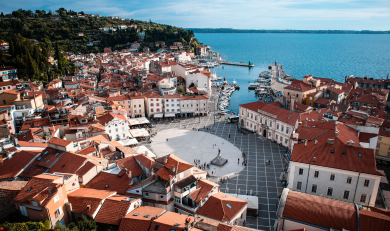
Living in Slovenia means settling into a small, highly livable country where nature, structure, and daily routine are closely intertwined. Slovenia often surprises expats: it is efficient without being rigid, calm without feeling isolated, and traditional without being closed. Life here rarely feels extreme, and that moderation defines much of the experience.
This guide is designed to help you understand Slovenia as a place to live long term, not just as a scenic destination or short-term base. Whether you are relocating for work, lifestyle, family life, or long-term residence, settling well in Slovenia depends on appreciating its balance, respecting its systems, and adjusting to a quieter, more deliberate pace.
Understanding Daily Life in Slovenia
Daily life in Slovenia is orderly, predictable, and closely connected to nature. Cities are compact, commutes are short, and access to green space is a normal part of everyday routine. Even in the capital, Ljubljana, life feels calm compared to larger European cities. People value efficiency, but not at the expense of personal time or well-being.
Slovenes tend to be reserved but polite. Social interactions are respectful, measured, and generally sincere. Friendliness develops gradually rather than immediately, and personal boundaries are respected. Small talk exists, but conversations often become more meaningful once trust is established.
There is a strong sense of self-reliance. People are expected to manage their responsibilities competently, follow rules, and respect shared spaces. This creates a society that feels safe and functional, but also one where expectations are quietly enforced.
Outdoor life plays a major role. Hiking, cycling, skiing, and time spent in nature are not hobbies but integral parts of daily living. Seasonal rhythms matter, and many social routines follow the calendar rather than the clock.
Residency, Visas, and Bureaucracy
Slovenia’s immigration system is structured, documentation-focused, and relatively transparent. Residency options depend on employment, family reunification, study, self-employment, or long-term EU residence. While the process is not fast, it is generally consistent.
Applications require thorough documentation, including proof of income, housing, health insurance, and background checks. Appointments must be booked in advance, and timelines can vary depending on region and workload. Patience and preparation are essential.
Once residency is granted, integration becomes much easier. Access to healthcare, banking, and public services depends on having the correct identification and registration. Slovenia values formality in administration, and missing documents can delay even simple processes.
Permanent residency is possible after a qualifying period of legal stay, and citizenship is attainable but requires long-term commitment, language proficiency, and integration.
Housing and Where You Live
Housing in Slovenia is generally affordable compared to many Western European countries, though prices have risen in recent years, especially in Ljubljana and popular tourist regions.
Most expats rent apartments, often unfurnished or semi-furnished. Contracts are formal, and tenant rights are protected, though clarity around maintenance and utilities is important from the beginning. Properties tend to be well-built, with an emphasis on practicality rather than luxury.
Location strongly influences lifestyle. Living in Ljubljana offers access to jobs, culture, and international communities, while smaller towns provide quieter, more local experiences. Thanks to the country’s size, living outside major cities does not mean isolation—most places remain well connected.
Noise levels are generally low, and neighbors tend to respect shared rules. Expectations around cleanliness, recycling, and property upkeep are taken seriously.
Cost of Living and Financial Reality
Slovenia offers a moderate cost of living by European standards. Housing, food, and transportation are affordable, while imported goods and electronics can be more expensive.
Daily expenses are predictable, and budgeting is straightforward. Eating out is affordable, particularly outside tourist centers, and local markets play an important role in household shopping.
Salaries are lower than in some neighboring countries, but social contributions cover healthcare, pensions, and other benefits. Many expats find that quality of life remains high despite more modest incomes.
Banking is modern and reliable, though opening an account requires proper residency documentation. Digital payments are common, but cash is still used in some settings.
Healthcare and Social Services
Slovenia has a universal healthcare system that provides good-quality care to residents. Once registered, access to doctors, hospitals, and specialists is reliable, though wait times for non-urgent care can be long.
Primary care is accessed through local clinics, and referrals are required for specialist treatment. Emergency care is efficient and well-organized.
Many expats choose supplementary private insurance to speed up access or expand provider choice, though costs are relatively low compared to many countries.
The broader social system is functional and stable. Education, public services, and family support are well-established, contributing to long-term security rather than short-term convenience.
Work Culture and Professional Life
Slovenian work culture values reliability, competence, and balance. Hierarchies exist but are not overly rigid, and professionalism is expected without excessive formality.
Communication tends to be direct but polite. Feedback is usually clear and constructive, and emotional restraint is valued in professional settings. Meetings are purposeful, and preparation is appreciated.
Work-life balance is taken seriously. Long working hours are not celebrated, and personal time is respected. Vacation time is used fully, and family obligations are generally accommodated.
The job market is small, and opportunities for expats often depend on language skills, specialized expertise, or international companies. Networking matters, but reputation and consistency carry more weight than self-promotion.
Language and Communication
Slovene is the official language, and while many people—especially younger generations—speak English, learning the local language significantly improves integration.
Slovene communication is understated. People avoid exaggeration and excessive emotional display. Honesty is valued, but it is delivered calmly rather than forcefully.
Silence is not uncomfortable, and conversations may include pauses. Listening carefully and responding thoughtfully is appreciated.
Effort to learn Slovene is respected, even if fluency is not achieved. It signals commitment and often leads to warmer social interactions.
Transportation and Mobility
Slovenia is compact and well connected. Public transportation is reliable within cities and between regions, though less frequent in rural areas.
Driving is common and convenient. Roads are well maintained, traffic is manageable, and driving culture is orderly. Many expats find car ownership useful, especially outside Ljubljana.
Cycling and walking are integral to daily life, particularly in cities. Infrastructure supports both, and distances are short.
International travel is easy, with neighboring countries reachable within hours, which adds to Slovenia’s appeal as a base in Europe.
Climate and Seasonal Living
Slovenia experiences four distinct seasons, and each shapes daily life differently. Summers are warm and active, while winters can be cold, particularly in alpine regions.
Seasonality is embraced rather than resisted. Outdoor activities shift with the weather, and social routines adapt accordingly.
Learning to dress appropriately and adjust expectations through the seasons helps maintain comfort and energy throughout the year.
Safety and Quality of Life
Slovenia is one of the safest countries in Europe. Violent crime is rare, public spaces are well maintained, and institutions are trusted.
This sense of safety contributes to a relaxed daily atmosphere. Children play freely, public transport is used confidently, and late-night activity is generally calm.
Quality of life is defined less by excitement and more by stability, cleanliness, and access to nature. Life feels manageable rather than overwhelming.
Building a Long-Term Life in Slovenia
Living well in Slovenia requires adjustment more than effort. Systems work, but they expect participation and respect. Social integration happens slowly but tends to be lasting.
Expats who thrive are those who appreciate routine, value nature, and respect boundaries. Those seeking constant stimulation or rapid professional advancement may find the pace too quiet.
Over time, daily life becomes comfortable and familiar. Communities feel safe, routines settle, and Slovenia reveals itself as a place designed for sustainable living rather than intensity.
Final Thoughts
Living in Slovenia is about balance, moderation, and consistency. It is not a country that demands attention or rewards urgency. Instead, it offers reliability, natural beauty, and a high standard of everyday living.
For expats willing to slow down, respect systems, and engage thoughtfully with local culture, Slovenia provides a rare combination of safety, structure, and quality of life. This guide offers the foundation—but living well here comes from embracing a country that values quiet competence and long-term well-being over spectacle.