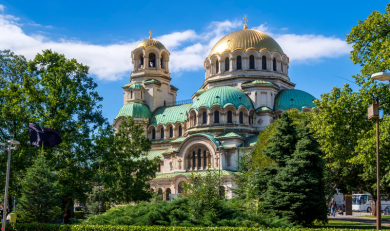
Living in Bulgaria means adjusting to a place where deep history, strong opinions, and practical improvisation shape everyday life more than polish or branding. Bulgaria is often described as affordable, traditional, and quietly beautiful—and all of that is true—but long-term living here is defined by cultural directness, uneven systems, and a mindset shaped by decades of self-reliance. For expats, Bulgaria can feel refreshingly unfiltered, though at times confusing or blunt until local logic becomes familiar.
This guide is designed to help you understand Bulgaria as a place to live, not just as a low-cost EU destination or an overlooked corner of Europe. Whether you are relocating for lifestyle, remote work, family reasons, or long-term residence, settling well in Bulgaria depends on understanding how daily life actually functions beneath the surface.
Understanding Daily Life in Bulgaria
Daily life in Bulgaria is pragmatic and unembellished. People value straightforwardness over politeness rituals, and conversations tend to be direct. What might feel blunt or abrupt to newcomers is usually not intended to be rude. Bulgarians generally prefer honesty to social smoothing.
Time is treated flexibly in social life and more rigidly in formal settings. Appointments may start late, plans can change, and delays are common. At the same time, official procedures often follow strict rules and fixed steps, even if execution is slow.
Social warmth exists, but it develops through familiarity rather than immediate friendliness. Strangers may seem reserved or serious, but relationships deepen quickly once trust is established. Humor is often dry or ironic, and emotional expression is more private than public.
There is a strong undercurrent of independence. Many people are used to solving problems themselves rather than relying on institutions. This shapes attitudes toward authority, rules, and everyday obstacles.
Residency, Visas, and Bureaucracy
Bulgaria offers relatively accessible residency options, particularly for EU citizens, retirees, business owners, and those with foreign income. As an EU member state, it follows European residency frameworks while maintaining local administrative practices.
The process is paperwork-heavy and requires patience. Applications involve translations, notarized documents, proof of address, and multiple visits to government offices. Instructions are clear, but communication can be minimal, and follow-up is often necessary.
Timelines are unpredictable. Some steps move quickly, others stall without explanation. Remaining calm, polite, and persistent produces better results than confrontation.
Once residency is secured, daily life becomes much easier. Banking, healthcare access, and long-term housing become more straightforward. Permanent residency and citizenship are attainable after long-term legal residence and language requirements.
Housing and Where You Live
Housing in Bulgaria is affordable by European standards, even in major cities. Most expats rent apartments, often furnished, with generous space compared to Western Europe.
Building quality varies widely. Older apartment blocks are common and may lack insulation, elevators, or modern heating, while newer developments offer better comfort but inconsistent construction standards. Inspecting properties carefully is important.
Rental contracts exist but are often informal. Enforcement can vary, making it essential to clarify maintenance responsibilities, utilities, and notice periods in advance. Using local contacts or trusted agents helps reduce misunderstandings.
Location matters greatly. Urban centers offer services and healthcare access, while smaller towns and villages provide space and quiet at the cost of convenience. Infrastructure quality can change significantly over short distances.
Bulgaria has one of the lowest costs of living in the European Union. Housing, food, public transport, and services are inexpensive compared to most of Europe.
Local food is affordable and high quality. Eating out is common and inexpensive, particularly in traditional restaurants. Imported goods and international brands cost more and can feel disproportionately expensive.
Utilities are generally affordable, though heating costs can rise in winter, especially in poorly insulated buildings. Internet quality is surprisingly good, even outside major cities.
Salaries are low by international standards. Many expats rely on foreign income, remote work, pensions, or savings. Banking is functional but conservative, and opening accounts requires residency documentation.
Healthcare and Medical Care
Bulgaria has a public healthcare system that provides basic coverage to residents, but quality varies significantly by region and facility. Public hospitals can be underfunded and overcrowded, particularly outside major cities.
Most expats rely heavily on private healthcare. Private clinics offer better facilities, shorter wait times, and more consistent care at relatively low cost by international standards. English-speaking doctors are available in larger cities.
Health insurance is required for residency and strongly recommended for private care. Many expats combine public coverage with private insurance or out-of-pocket payments.
Access to specialized care is best in Sofia and other major cities. In smaller towns, travel may be required for complex treatment.
Work Culture and Professional Life
Bulgarian work culture is hierarchical and direct. Authority is respected, and decision-making often flows from senior figures. Titles matter more than in some Western cultures.
Communication is straightforward and sometimes blunt. Feedback is often delivered without softening language. This is typically practical rather than personal.
Working hours vary by sector. Some industries maintain long hours, while others are more flexible. Work-life balance exists but is not formally emphasized.
Local wages are low, and employment opportunities for foreigners are limited unless specialized skills or language abilities are involved. Many expats work remotely or operate small businesses.
Language and Communication
Bulgarian is the official language and uses the Cyrillic alphabet. While English is spoken among younger people and in certain professional settings, daily life often requires some Bulgarian.
Government offices, healthcare, and utilities typically operate in Bulgarian only. Relying solely on English limits independence.
Communication style is direct and economical. People tend to say exactly what they mean without excessive politeness or emotional framing.
Learning basic Bulgarian significantly improves daily interactions and is often met with appreciation. Even small efforts are noticed.
Transportation and Mobility
Bulgaria has a functional but uneven transportation system. Cities rely on buses, trams, and metro systems, while intercity travel is often by bus or train.
Public transport is inexpensive but can be crowded or irregular outside major routes. Trains are affordable but slow by European standards.
Car ownership is common, especially outside urban centers. Road quality varies, and driving standards can be inconsistent.
Distances are manageable, and domestic travel is generally affordable, though patience is required.
Culture, Values, and Social Norms
Bulgarian culture values honesty, resilience, and personal dignity. People are generally skeptical of authority and value practical knowledge over theory.
Hospitality is genuine once relationships form. Guests are treated generously, and food plays a central role in social life.
Family ties are strong, and social circles are often long-established. Making friends takes time, but relationships deepen quickly once trust is built.
Religion, primarily Eastern Orthodox Christianity, influences traditions and holidays, even among secular individuals.
Safety and Everyday Reality
Bulgaria is generally safe, with low levels of violent crime. Petty theft occurs, particularly in tourist areas, but everyday life feels calm.
Public order is stable, and political life rarely affects expat daily routines. Infrastructure reliability varies by region.
Everyday frustrations tend to be administrative rather than safety-related—paperwork, unclear processes, and inconsistent service standards are common complaints.
Climate and Seasonal Living
Bulgaria has four distinct seasons. Summers are hot, winters can be cold and snowy, and spring and autumn are mild and pleasant.
Seasonal changes affect housing comfort, transportation, and energy costs. Proper heating and insulation are important considerations.
Outdoor life is central in warmer months, while winter encourages indoor routines and social gatherings.
Climate is generally manageable, but rural areas may experience harsher conditions and reduced services in winter.
Social Life and Integration
Social integration in Bulgaria takes effort. While people are polite, friendships are not formed casually or quickly.
Social life often revolves around family, long-standing friendships, and routine gatherings rather than spontaneous events.
The expat community exists but is smaller than in some countries. Many expats integrate locally through work, language learning, or community involvement.
Consistency matters more than enthusiasm. Showing up regularly builds trust.
Building a Long-Term Life in Bulgaria
Living well in Bulgaria requires adaptability, patience, and a tolerance for inconsistency. Systems exist, but personal initiative is often required to make them work smoothly.
Expats who thrive are those who value affordability, space, and independence over convenience and polish. Those who expect Western-style efficiency or customer service may struggle.
Over time, daily life becomes familiar, routines settle, and Bulgaria begins to feel grounded and authentic rather than difficult.
Many expats find that life here improves noticeably after the first year.
Final Thoughts
Living in Bulgaria is about substance over surface. It is a country shaped by history, resilience, and practical thinking rather than image.
For expats willing to learn the language, accept direct communication, and navigate imperfect systems with patience, Bulgaria offers affordability, safety, and a deeply rooted way of life within the European Union. This guide provides the framework—but living well here comes from understanding that in Bulgaria, honesty matters more than politeness, persistence matters more than pressure, and belonging grows through consistency rather than convenience.